
Strategic Leadership
The Human Side of Crisis Leadership: Why Empathy and Compassion Matter

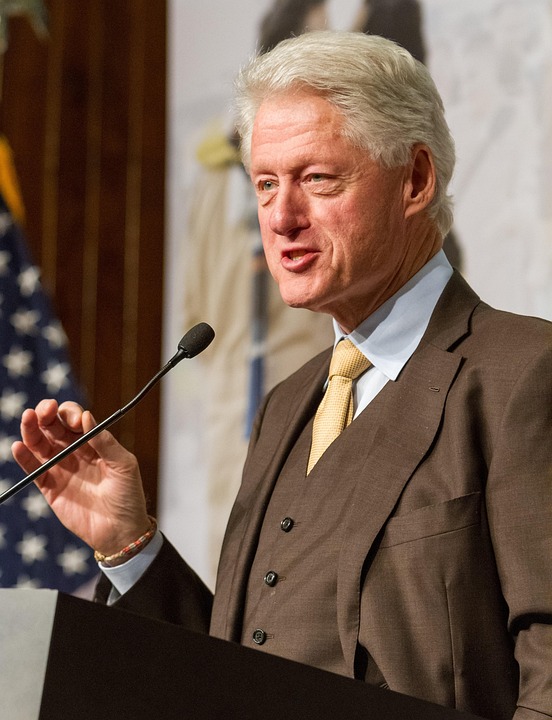
In times of crisis, leaders are often expected to be strong, decisive, and in control. But what about the human side of crisis leadership? The aspect that requires empathy, compassion, and understanding? It’s easy to overlook these qualities in the heat of the moment, but they’re precisely what can make or break a leader’s ability to navigate a crisis effectively. When leaders show they care, it can have a profound impact on their team’s morale, productivity, and overall well-being.
Why Empathy Matters in Crisis Leadership
Empathy is the foundation of strong relationships, and in a crisis, it’s more important than ever. When leaders take the time to understand their team members’ concerns, fears, and emotions, they build trust and foster a sense of community. This, in turn, can help to reduce stress, anxiety, and feelings of overwhelm. Empathetic leaders are also better equipped to make informed decisions, as they’re more likely to consider the human impact of their choices. By putting themselves in their team’s shoes, they can anticipate potential problems and develop solutions that take into account the needs of all stakeholders.
The Power of Compassion in Crisis Situations
Compassion is often seen as a soft skill, but it’s a crucial one in crisis leadership. When leaders show compassion, they demonstrate that they value their team members as individuals, not just as employees. This can have a profound impact on morale, as people are more likely to feel motivated and engaged when they feel seen and heard. Compassionate leaders are also more likely to prioritize their team’s well-being, providing support and resources to help them cope with the challenges of a crisis. By doing so, they can reduce the risk of burnout, absenteeism, and turnover, all of which can have serious consequences for the organization as a whole.
The Benefits of Human-Centered Crisis Leadership
So, what are the benefits of human-centered crisis leadership? For starters, it can help to build a sense of resilience and adaptability within the team. When leaders prioritize their team’s well-being, they create an environment that’s better equipped to handle uncertainty and change. Human-centered crisis leadership can also lead to increased loyalty and retention, as team members feel valued and supported. And, perhaps most importantly, it can help to mitigate the negative consequences of a crisis, such as reputational damage and financial loss. By putting people first, leaders can create a positive narrative around the crisis, one that showcases their organization’s values and commitment to its stakeholders.
Putting it into Practice: Strategies for Human-Centered Crisis Leadership
So, how can leaders put human-centered crisis leadership into practice? It starts with communication – being transparent, honest, and open with their team. Leaders should also prioritize active listening, seeking feedback and concerns from their team members. Additionally, they should be willing to show vulnerability and empathy, acknowledging the challenges and uncertainties of the crisis. By doing so, they can create a safe and supportive environment that encourages collaboration, creativity, and problem-solving. Finally, leaders should be proactive in providing resources and support, such as counseling services, employee assistance programs, and flexible work arrangements. By taking a human-centered approach to crisis leadership, leaders can create a positive and resilient organization that’s better equipped to weather any storm.
Conclusion: The Future of Crisis Leadership
In conclusion, the human side of crisis leadership is just as important as the technical or strategic aspects. By prioritizing empathy, compassion, and understanding, leaders can create a positive and resilient organization that’s better equipped to handle uncertainty and change. As we move forward in an increasingly complex and rapidly changing world, it’s clear that human-centered crisis leadership will become more important than ever. By putting people first, leaders can create a brighter future for their organizations, one that’s built on trust, loyalty, and a deep commitment to the well-being of all stakeholders.


Portable Benefits Could Fix the Gig Economy’s Biggest Problem

Ethical Reasoning Has Become a Core Workplace Skill and Training Programs Are Missing It

Stakeholder Pressure on CEOs Has Reached a Breaking Point

Identity Resilience at Work and Why It Matters More Than Grit

The Revenge of Middle Management and Why Organizations Should Pay Attention

First-Generation Professionals Face a Different Workplace and Nobody Prepares Them for It

Small Business Survival in Underserved Communities Needs More Than Microloans

Aging Populations are Reshaping Labor Markets Faster Than Policy Can Respond

How Emotional Intelligence Can Help You Manage Stress and Build Resilience

Interview with Dr. Kristy K. Taylor, WORxK Global News Magazine Founder

Sarah Herrlinger Talks AirPods Pro Hearing Aid

Unlocking Human Potential: Kim Groshek’s Journey to Transforming Leadership and Stress Resilience

NetWork Your Way to Success: Top Tips for Maximizing Your Professional Network

The Power of Belonging: Why Feeling Accepted Matters in the Workplace

Health-care stocks fall after Warren PBM bill, Brian Thompson shooting

Glenda Benevides: Creating Global Impact Through Music
-
 Resiliency1 year ago
How Emotional Intelligence Can Help You Manage Stress and Build Resilience
-
 Career Advice2 years ago
Interview with Dr. Kristy K. Taylor, WORxK Global News Magazine Founder
-
 Diversity and Inclusion (DEIA)2 years ago
Sarah Herrlinger Talks AirPods Pro Hearing Aid
-
 Changemaker Interviews2 years ago
Unlocking Human Potential: Kim Groshek’s Journey to Transforming Leadership and Stress Resilience
-
 Career Advice2 years ago
NetWork Your Way to Success: Top Tips for Maximizing Your Professional Network
-
 Diversity and Inclusion (DEIA)2 years ago
The Power of Belonging: Why Feeling Accepted Matters in the Workplace
-
 Global Trends and Politics2 years ago
Health-care stocks fall after Warren PBM bill, Brian Thompson shooting
-
 Changemaker Interviews2 years ago
Glenda Benevides: Creating Global Impact Through Music