
Resiliency
The Dark Side of Success: How High-Pressure Work Environments Can Take a Toll on Mental Health

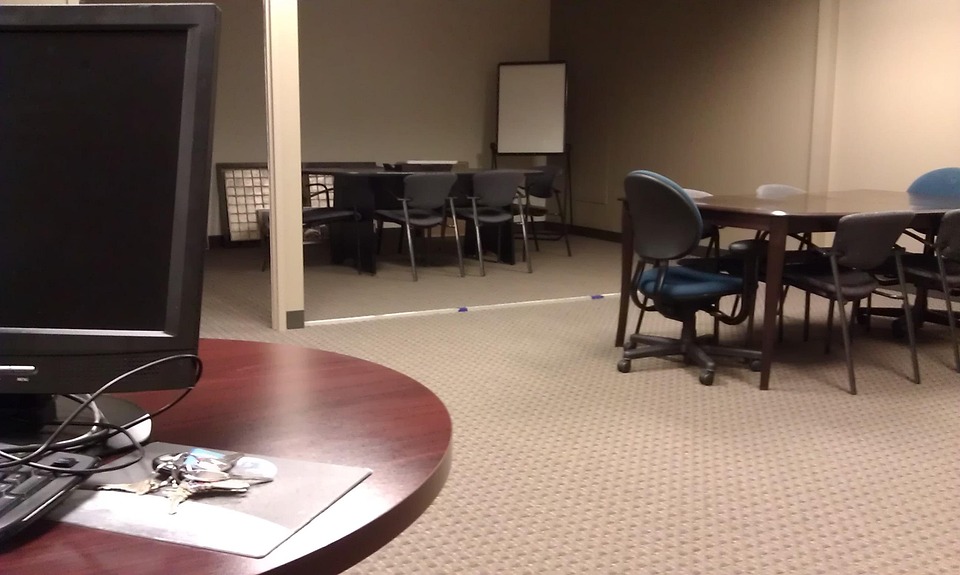
Success – it’s a concept we’re all familiar with, and one that many of us strive for in our personal and professional lives. But what happens when the pursuit of success comes at a cost? When the pressure to perform, to produce, and to constantly deliver begins to take a toll on our mental health? It’s a topic that’s often overlooked, but one that’s increasingly important in today’s fast-paced, high-stakes work environments. In this article, we’ll delve into the dark side of success, exploring the ways in which high-pressure work environments can impact our mental wellbeing, and what we can do to mitigate these effects.
The Pressure Cooker of Modern Work
In many industries, the culture of overwork and burnout has become the norm. Employees are often expected to be constantly “on,” responding to emails and messages outside of work hours, and putting in long hours to meet deadlines. This can create a sense of perpetual stress, as individuals feel like they’re never truly able to disconnect from their work. And it’s not just the hours themselves that are the problem – it’s the pressure to constantly perform, to meet targets and exceed expectations, that can be particularly damaging. When we’re under this kind of pressure, it’s easy to feel like we’re walking on a tightrope, with the threat of failure or disappointment looming large.
The Impact on Mental Health
So what are the consequences of this kind of high-pressure work environment on our mental health? The answer is complex, but research suggests that prolonged exposure to stress and pressure can have serious effects on our wellbeing. Anxiety, depression, and burnout are all common outcomes, as individuals struggle to cope with the demands placed upon them. And it’s not just the individuals themselves who suffer – the effects can also be felt by their families, friends, and colleagues. When we’re under pressure, we can become withdrawn, irritable, and isolated, which can damage our relationships and make it harder to seek support when we need it.
Breaking the Cycle of Burnout
So how can we break the cycle of burnout and create a healthier, more sustainable approach to work? It starts with recognizing the signs of burnout – exhaustion, cynicism, and reduced performance – and taking steps to address them. This might involve setting boundaries around our work hours, prioritizing self-care and relaxation, and seeking support from colleagues, managers, or mental health professionals. It’s also important for organizations to take a proactive approach, fostering a culture that values wellbeing and recognizes the importance of work-life balance. By providing resources, support, and flexibility, employers can help reduce the pressure on their employees and create a more positive, productive work environment.
A New Approach to Success
Ultimately, it’s time for us to rethink our approach to success. Rather than prioritizing productivity and performance above all else, we need to recognize the importance of mental health and wellbeing in the workplace. This means valuing the whole person, not just their work output – and creating a culture that supports and nurtures employees, rather than pushing them to the brink of burnout. By taking a more holistic approach to success, we can create a healthier, happier workforce – one that’s better equipped to thrive in the long term, rather than just surviving in the short term. It’s a challenge, but one that’s essential if we’re to create a more sustainable, supportive work environment for everyone.
Conclusion
In conclusion, the dark side of success is a reality that we can’t afford to ignore. High-pressure work environments can have serious consequences for our mental health, from anxiety and depression to burnout and exhaustion. But by recognizing the signs of burnout, taking steps to address them, and fostering a culture that values wellbeing, we can create a healthier, more sustainable approach to work. It’s time for us to rethink our approach to success, and prioritize the things that truly matter – our mental health, our relationships, and our overall wellbeing. Only by doing so can we create a more positive, productive work environment – one that supports us, rather than draining us.


Portable Benefits Could Fix the Gig Economy’s Biggest Problem

Ethical Reasoning Has Become a Core Workplace Skill and Training Programs Are Missing It

Stakeholder Pressure on CEOs Has Reached a Breaking Point

Identity Resilience at Work and Why It Matters More Than Grit

The Revenge of Middle Management and Why Organizations Should Pay Attention

First-Generation Professionals Face a Different Workplace and Nobody Prepares Them for It

Small Business Survival in Underserved Communities Needs More Than Microloans

Aging Populations are Reshaping Labor Markets Faster Than Policy Can Respond

How Emotional Intelligence Can Help You Manage Stress and Build Resilience

Interview with Dr. Kristy K. Taylor, WORxK Global News Magazine Founder

Sarah Herrlinger Talks AirPods Pro Hearing Aid

Unlocking Human Potential: Kim Groshek’s Journey to Transforming Leadership and Stress Resilience

NetWork Your Way to Success: Top Tips for Maximizing Your Professional Network

The Power of Belonging: Why Feeling Accepted Matters in the Workplace

Health-care stocks fall after Warren PBM bill, Brian Thompson shooting

Glenda Benevides: Creating Global Impact Through Music
-
 Resiliency1 year ago
How Emotional Intelligence Can Help You Manage Stress and Build Resilience
-
 Career Advice2 years ago
Interview with Dr. Kristy K. Taylor, WORxK Global News Magazine Founder
-
 Diversity and Inclusion (DEIA)2 years ago
Sarah Herrlinger Talks AirPods Pro Hearing Aid
-
 Changemaker Interviews2 years ago
Unlocking Human Potential: Kim Groshek’s Journey to Transforming Leadership and Stress Resilience
-
 Career Advice2 years ago
NetWork Your Way to Success: Top Tips for Maximizing Your Professional Network
-
 Diversity and Inclusion (DEIA)2 years ago
The Power of Belonging: Why Feeling Accepted Matters in the Workplace
-
 Global Trends and Politics2 years ago
Health-care stocks fall after Warren PBM bill, Brian Thompson shooting
-
 Changemaker Interviews2 years ago
Glenda Benevides: Creating Global Impact Through Music