
Organizational Culture
Paging Dr. Happy! Your Weekly Prescription for Workplace Wellbeing (Your Calendar is a Culture Problem)

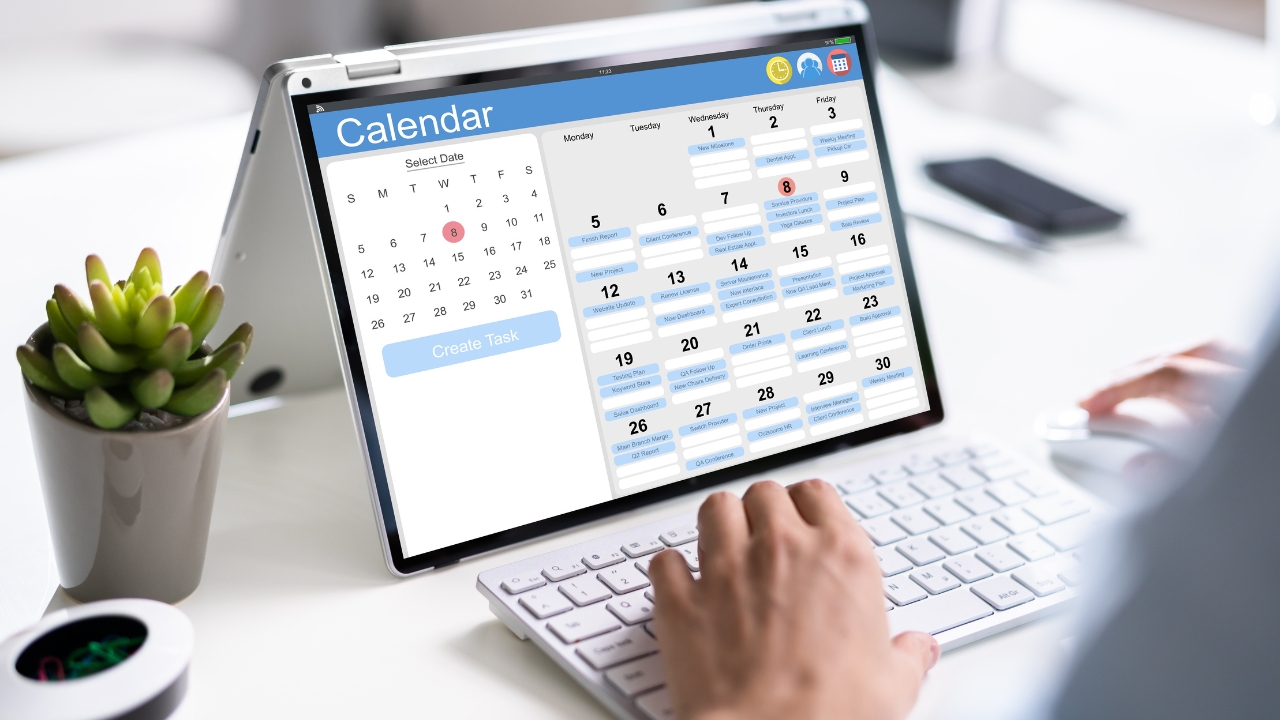
Let’s play a quick game:
Open your calendar. Look at the week ahead.
Now ask yourself, “How many of these meetings could’ve been an email?” (Or a Slack message. Or a shared doc. Or absolutely nothing at all.)
Exactly.
We’ve created a workplace culture where over-scheduled calendars are a weird badge of honor and somehow, being constantly busy has become a proxy for being valuable. But let’s be real: your calendar isn’t a trophy case. It’s a mirror.
And for a lot of us, what it’s reflecting… isn’t great.
The Diagnosis: Chronic Meeting Overload
Your calendar is more than a scheduling tool. It’s a living artifact of your culture. And if you zoom out, you might notice some concerning symptoms:
- Recurring meetings with no clear owner or purpose
- Back-to-back blocks that leave no room to think, recover, or even pee
- Attendees who contribute nothing (and weren’t really needed in the first place)
- Ritualized time-wasters that exist because “we’ve always done it this way”
When people spend more time preparing for meetings than actually doing their jobs, your culture has a problem. Not a logistical problem. A trust problem. An alignment problem. A well-being problem.
Let’s Talk About the Human Cost
Here’s what I hear all the time:
“I can’t get any real work done during the day — I have to do it at night.”
“There’s no time to think. It’s just go-go-go.”
“These meetings are draining my will to care.”
This isn’t just about productivity. It’s about permission. It’s about sending a signal that your time, energy, and presence are valuable, and that we don’t have to be in the same Zoom box to be aligned. Poor meeting hygiene is a subtle but powerful form of disrespect. And no one’s handing out awards for Most Exhausted Employee.
The Cultural Message Hidden in Every Meeting
Every meeting you hold communicates something. Ask yourself:
- Do your meetings reinforce clarity… or create confusion?
- Do they spark connection… or stifle it?
- Do they value contribution… or reward performance theater?
- Do people leave feeling empowered… or just behind on everything else?
The quality of your meetings is the emotional pulse of your culture. If meetings feel chaotic, performative, or draining… chances are, your team does too.
This Week’s Prescription: Give Your Calendar a Culture Checkup
Let’s triage the situation. Start with these steps:
1. Audit One Recurring Meeting
Pick one that happens often (weekly team call, standup, leadership huddle) and get brutally honest.
- What is the actual purpose of this meeting?
- Is it still serving that purpose?
- Who actually needs to be there?
- How do people feel after attending it?
If it’s not delivering value or creating connection, it’s not a good use of human energy.
2. Replace, Reduce, or Reimagine
Ask yourself:
- Can the same goal be achieved asynchronously?
- Could it be made shorter? Less frequent? Rotational?
- Can it be reshaped to include human moments (not just status updates)?
Pro tip: Cancel one meeting this week with this message: “In the interest of honoring our time and energy, we’re skipping this week’s meeting. I’m sharing updates via [Slack/email/doc] instead.” Watch your team breathe a collective sigh of relief.
3. Model the New Normal
If you’re in a leadership role (formal or informal), model what healthy meeting culture looks like:
- Start and end on time
- Have an agenda with space for people, not just projects
- Ask: “Is this meeting still the best use of our time?” regularly
- Build in gratitude, feedback, or levity as routine parts of the meeting flow
When you do this, you’re not just being efficient. You’re showing that you value people. And that message? It travels.
You don’t have to overhaul the entire calendar overnight. Just start with one meeting. One moment of intention. One powerful shift away from burnout culture, and toward belonging.
And remember… workplace happiness is serious business.
 About the Author
Dr. Sarah Ratekin is a workplace happiness and gratitude expert, keynote speaker, and Chief Happiness Officer at Happiness Is Courage and The Happiness Haven. A Navy veteran and seasoned organizational strategist, she helps companies transform culture through actionable, people-centered practices. With experience spanning Fortune 100s to nonprofits, Dr. Ratekin’s work focuses on the intersection of well-being and performance. She’s on a mission to prove that a thriving culture isn’t a luxury, it’s a leadership imperative.
Connect with Dr. Sarah




Portable Benefits Could Fix the Gig Economy’s Biggest Problem

Ethical Reasoning Has Become a Core Workplace Skill and Training Programs Are Missing It

Stakeholder Pressure on CEOs Has Reached a Breaking Point

Identity Resilience at Work and Why It Matters More Than Grit

The Revenge of Middle Management and Why Organizations Should Pay Attention

First-Generation Professionals Face a Different Workplace and Nobody Prepares Them for It

Small Business Survival in Underserved Communities Needs More Than Microloans

Aging Populations are Reshaping Labor Markets Faster Than Policy Can Respond

How Emotional Intelligence Can Help You Manage Stress and Build Resilience

Interview with Dr. Kristy K. Taylor, WORxK Global News Magazine Founder

Sarah Herrlinger Talks AirPods Pro Hearing Aid

Unlocking Human Potential: Kim Groshek’s Journey to Transforming Leadership and Stress Resilience

NetWork Your Way to Success: Top Tips for Maximizing Your Professional Network

The Power of Belonging: Why Feeling Accepted Matters in the Workplace

Health-care stocks fall after Warren PBM bill, Brian Thompson shooting

Glenda Benevides: Creating Global Impact Through Music
-
 Resiliency1 year ago
How Emotional Intelligence Can Help You Manage Stress and Build Resilience
-
 Career Advice2 years ago
Interview with Dr. Kristy K. Taylor, WORxK Global News Magazine Founder
-
 Diversity and Inclusion (DEIA)2 years ago
Sarah Herrlinger Talks AirPods Pro Hearing Aid
-
 Changemaker Interviews2 years ago
Unlocking Human Potential: Kim Groshek’s Journey to Transforming Leadership and Stress Resilience
-
 Career Advice2 years ago
NetWork Your Way to Success: Top Tips for Maximizing Your Professional Network
-
 Diversity and Inclusion (DEIA)2 years ago
The Power of Belonging: Why Feeling Accepted Matters in the Workplace
-
 Global Trends and Politics2 years ago
Health-care stocks fall after Warren PBM bill, Brian Thompson shooting
-
 Changemaker Interviews2 years ago
Glenda Benevides: Creating Global Impact Through Music