
Global Trends and Politics
Josh Harris says more sports assets aren’t likely to go public

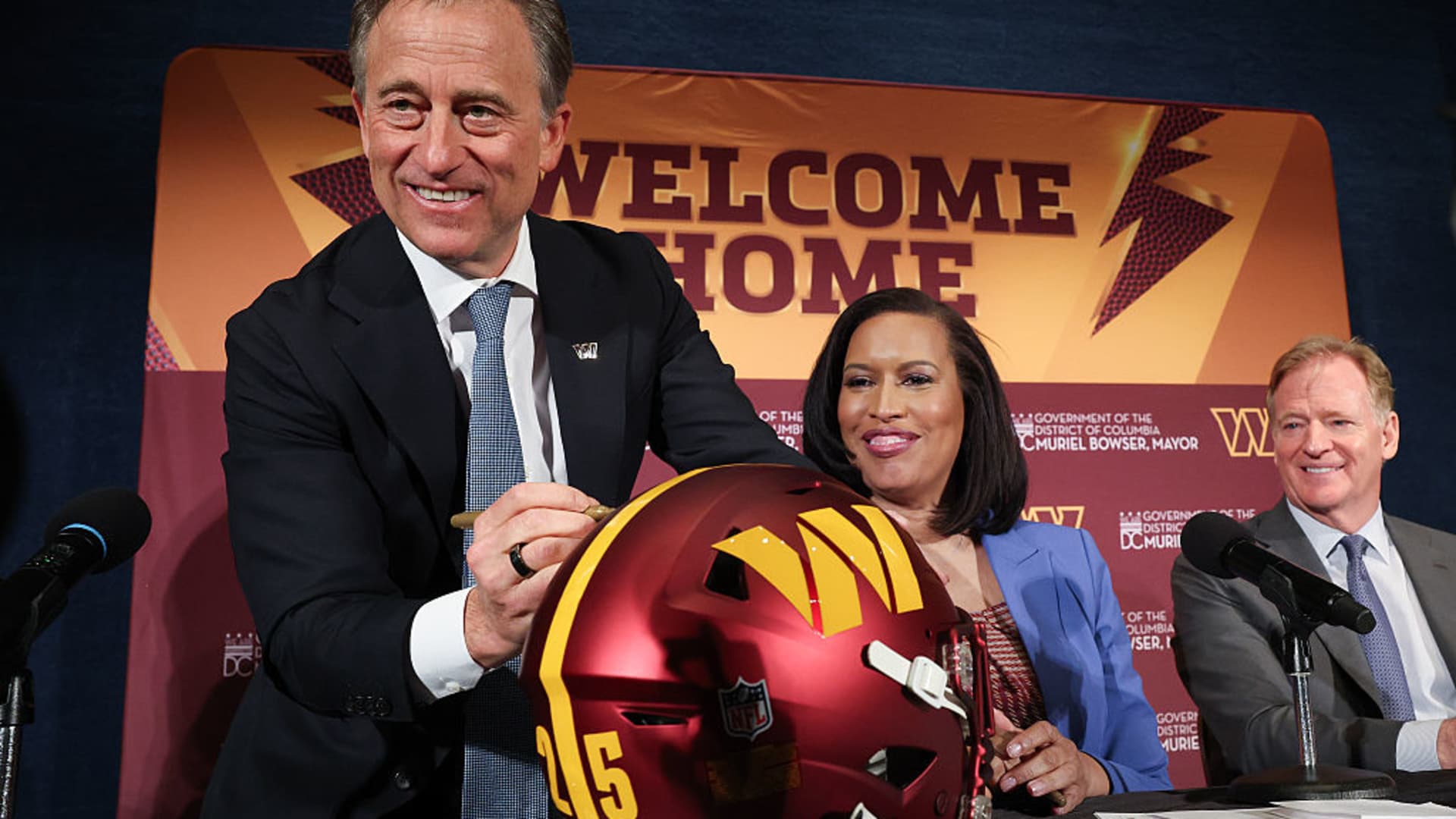
Josh Harris, a renowned private equity investor, has been making waves in the sports industry over the past decade. As the co-founder of Harris Blitzer Sports & Entertainment (HBSE), he has built a conglomerate that owns majority stakes in some of the most valuable sports teams in the world, including the NFL’s Washington Commanders, the NBA’s Philadelphia 76ers, and the NHL’s New Jersey Devils.
Harris’s success in the sports industry is undeniable, with HBSE ranking third in CNBC’s 2025 Most Valuable Sports Empires list at a staggering value of $14.58 billion. This achievement has raised questions about the potential for HBSE or other sports teams to go public. However, Harris has expressed his doubts about this possibility, citing the fact that sports assets have historically been valued more highly as private assets.
The Pros and Cons of Going Public
According to Harris, public valuations of sports teams have not exceeded private valuations, which has led many owners to keep their teams private. One notable exception is Madison Square Garden’s sports assets, which include the New York Knicks and Rangers. However, even in this case, the teams have tended to trade below their intrinsic value and have not been fully embraced by the public markets.
Harris believes that the primary consideration for keeping sports teams private is the ability to spend and make decisions without being beholden to public market pressures. As a team owner, he wants to be able to take a long-term perspective and make decisions that may not yield immediate profits but will ultimately benefit the team and its fans.
The Future of Sports Ownership
Harris’s comments come at a time when the sports industry is undergoing significant changes. The NFL has recently opened up new ways for teams to raise money, including allowing select private equity firms to take minority stakes in franchises. Harris sees this development as a positive step, as it allows owners like himself to think long-term and make decisions that are in the best interests of the team and its fans.
The Washington Commanders’ recent deal to relocate to a new stadium in Washington, D.C. is a prime example of this approach. The $3.7 billion deal is a massive win for the team, but Harris acknowledges that the profits from this deal will not be realized for years to come. This kind of long-term thinking is only possible when teams are private, and Harris believes that this approach will continue to be the norm in the sports industry.


Portable Benefits Could Fix the Gig Economy’s Biggest Problem

Ethical Reasoning Has Become a Core Workplace Skill and Training Programs Are Missing It

Stakeholder Pressure on CEOs Has Reached a Breaking Point

Identity Resilience at Work and Why It Matters More Than Grit

The Revenge of Middle Management and Why Organizations Should Pay Attention

First-Generation Professionals Face a Different Workplace and Nobody Prepares Them for It

Small Business Survival in Underserved Communities Needs More Than Microloans

Aging Populations are Reshaping Labor Markets Faster Than Policy Can Respond

How Emotional Intelligence Can Help You Manage Stress and Build Resilience

Interview with Dr. Kristy K. Taylor, WORxK Global News Magazine Founder

Sarah Herrlinger Talks AirPods Pro Hearing Aid

Unlocking Human Potential: Kim Groshek’s Journey to Transforming Leadership and Stress Resilience

NetWork Your Way to Success: Top Tips for Maximizing Your Professional Network

The Power of Belonging: Why Feeling Accepted Matters in the Workplace

Health-care stocks fall after Warren PBM bill, Brian Thompson shooting

Glenda Benevides: Creating Global Impact Through Music
-
 Resiliency1 year ago
How Emotional Intelligence Can Help You Manage Stress and Build Resilience
-
 Career Advice2 years ago
Interview with Dr. Kristy K. Taylor, WORxK Global News Magazine Founder
-
 Diversity and Inclusion (DEIA)2 years ago
Sarah Herrlinger Talks AirPods Pro Hearing Aid
-
 Changemaker Interviews2 years ago
Unlocking Human Potential: Kim Groshek’s Journey to Transforming Leadership and Stress Resilience
-
 Career Advice2 years ago
NetWork Your Way to Success: Top Tips for Maximizing Your Professional Network
-
 Diversity and Inclusion (DEIA)2 years ago
The Power of Belonging: Why Feeling Accepted Matters in the Workplace
-
 Global Trends and Politics2 years ago
Health-care stocks fall after Warren PBM bill, Brian Thompson shooting
-
 Changemaker Interviews2 years ago
Glenda Benevides: Creating Global Impact Through Music