
Innovation and Technology
Trump’s $100K H-1B Fee Sends Shockwaves Through Tech And Cybersecurity

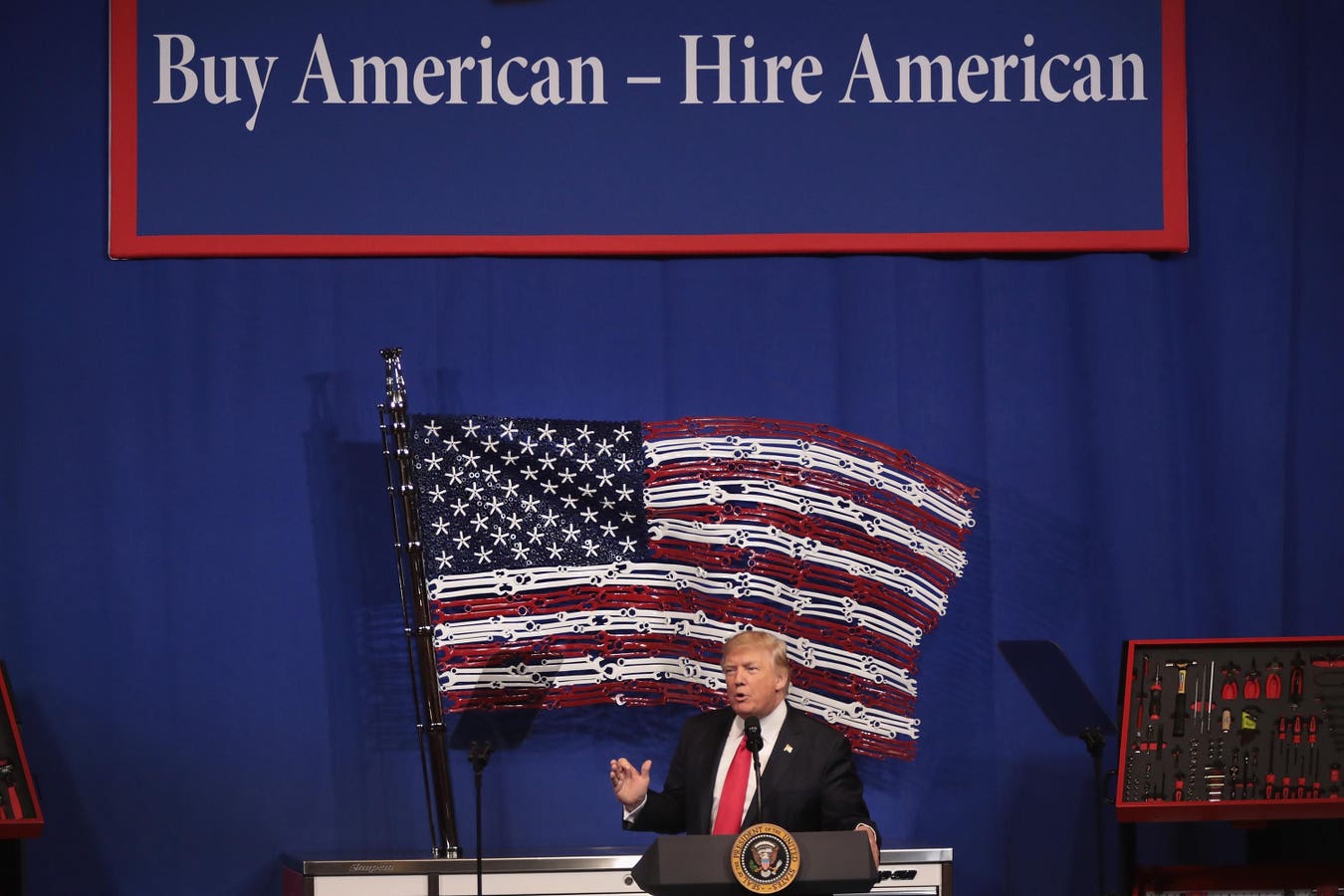
On September 19, 2025, President Donald Trump made a surprise announcement that sent shockwaves through the tech and cybersecurity industries. He signed a proclamation imposing a $100,000 fee on new H-1B visa petitions for foreign nationals outside the United States. This sudden move has significant implications for companies that rely on high-skilled foreign workers.
Understanding the Proclamation
The proclamation, titled “Restriction on Entry of Certain Nonimmigrant Workers,” introduces a one-time fee that does not apply to existing visa holders or renewals. It also raises prevailing wage requirements and introduces a national interest exception, allowing the Department of Homeland Security to waive the fee in certain cases. The proclamation is set to last 12 months unless extended.
This dramatic change to the H-1B visa system has sparked a strong public response, with many companies expressing concern about the impact on their operations. For years, companies have paid relatively modest filing fees to sponsor high-skilled workers. Now, the cost of a single new petition rivals the salary of an entry-level engineer.
Industry Reaction and Concerns
Many industry leaders have warned that the news could harm American innovation, as companies may struggle to absorb the additional costs. John Trasvina, former general counsel to the U.S. Senate Judiciary Committee, noted that the initial confusion was damaging, with some people believing that existing H-1B holders would be turned away unless employers paid the $100,000 fee.
Indian IT industry body Nasscom also warned of ripple effects on U.S. competitiveness and global job markets, pointing out that many firms rely heavily on rotating skilled foreign labor into U.S. operations. The administration, however, frames the move as a chance to redirect opportunities toward U.S. citizens and strengthen the domestic workforce.
The State of Tech Unemployment
The tech industry has experienced significant layoffs in 2025, with Microsoft announcing over 15,000 layoffs, including 6,000 in May and another 9,000 in July. According to TrueUp, more than 144,900 tech workers have been laid off in over 500 separate events this year, with companies like Meta, Google, Intel, and Amazon contributing heavily to those totals.
While the CompTIA unemployment report shows tech unemployment at 2.8% compared to 4.3% for the overall U.S. labor force, the scale of disruption is significant. Tens of thousands of highly skilled engineers and cybersecurity professionals remain on the sidelines, and this policy shift could create pressure and incentive to reabsorb those citizens into private sector cyber roles.
Mixed Impact on Tech and Cybersecurity
The $100,000 fee represents a costly inconvenience for large technology companies, but many can absorb it. For startups and mid-sized firms, the burden may be crushing, and some may choose to relocate development offshore, creating new risks. Innovation in AI, cloud, and advanced data science could slow if fewer foreign graduates enter the U.S. market.
Cybersecurity work, such as Security Operating Centers, moved offshore is a dangerous recipe for the United States and businesses in general. Protecting critical infrastructure and government systems requires U.S. citizens working on U.S. soil. Moving those functions abroad undermines security and invites potential insider threats from hostile actors.
Why This Could Be Beneficial
The Trump administration views this move as a way to accomplish multiple goals, including forcing companies to prioritize U.S. citizens and laid-off federal workers, raising the cost of relying on foreign labor, and discouraging abuse of the H-1B system. It also strengthens national security by ensuring that cyber roles are staffed by U.S. citizens on U.S. soil.
The policy generates new revenue that can support reskilling programs, STEM education, and veteran transition initiatives. It aligns with broader efforts like the Cybersecurity Maturity Model Certification, which requires defense contractors to meet strict security and compliance standards.
Risks and the Dual Reality
The risks are clear: if retraining programs and certification pathways are not expanded quickly, many open roles will remain unfilled. Startups and immigrant-founded companies could falter or shift overseas, and America’s global reputation as the preferred destination for top technical talent could decline.
However, the opportunity is also real. Tens of thousands of unemployed U.S. tech and cyber professionals are available and ready. This policy could open doors for them to reenter the workforce at higher wages and with greater stability. Whether this becomes a national advantage or a national setback depends on whether America invests quickly and decisively in training, placement, and domestic talent pipelines.
A Policy That Forces a Reckoning
The $100,000 H-1B fee is one of the boldest shifts in high-skill immigration policy in decades. It came without warning and blindsided even the largest players in the industry. The winners will be companies that already rely on U.S. citizens and have strong domestic pipelines. The losers may be startups, global firms dependent on H-1B talent, and foreign nationals who had hoped to contribute to the American economy.
At its core, this is not just about fees; it is about how America balances innovation, economic growth, and national security. The immediate shock and reaction mirror what we saw with tariffs in past years. The real measure will be whether the United States uses this disruption as a catalyst to train, hire, and secure its own workforce, including veterans and employees laid off from governmental agencies, or whether it allows opportunity to slip away.




Portable Benefits Could Fix the Gig Economy’s Biggest Problem

Ethical Reasoning Has Become a Core Workplace Skill and Training Programs Are Missing It

Stakeholder Pressure on CEOs Has Reached a Breaking Point

Identity Resilience at Work and Why It Matters More Than Grit

The Revenge of Middle Management and Why Organizations Should Pay Attention

First-Generation Professionals Face a Different Workplace and Nobody Prepares Them for It

Small Business Survival in Underserved Communities Needs More Than Microloans

Aging Populations are Reshaping Labor Markets Faster Than Policy Can Respond

How Emotional Intelligence Can Help You Manage Stress and Build Resilience

Interview with Dr. Kristy K. Taylor, WORxK Global News Magazine Founder

Sarah Herrlinger Talks AirPods Pro Hearing Aid

Unlocking Human Potential: Kim Groshek’s Journey to Transforming Leadership and Stress Resilience

NetWork Your Way to Success: Top Tips for Maximizing Your Professional Network

The Power of Belonging: Why Feeling Accepted Matters in the Workplace

Health-care stocks fall after Warren PBM bill, Brian Thompson shooting

Glenda Benevides: Creating Global Impact Through Music
-
 Resiliency1 year ago
How Emotional Intelligence Can Help You Manage Stress and Build Resilience
-
 Career Advice2 years ago
Interview with Dr. Kristy K. Taylor, WORxK Global News Magazine Founder
-
 Diversity and Inclusion (DEIA)2 years ago
Sarah Herrlinger Talks AirPods Pro Hearing Aid
-
 Changemaker Interviews2 years ago
Unlocking Human Potential: Kim Groshek’s Journey to Transforming Leadership and Stress Resilience
-
 Career Advice2 years ago
NetWork Your Way to Success: Top Tips for Maximizing Your Professional Network
-
 Diversity and Inclusion (DEIA)2 years ago
The Power of Belonging: Why Feeling Accepted Matters in the Workplace
-
 Global Trends and Politics2 years ago
Health-care stocks fall after Warren PBM bill, Brian Thompson shooting
-
 Changemaker Interviews2 years ago
Glenda Benevides: Creating Global Impact Through Music