
Diversity and Inclusion (DEIA)
Over Half Of Gen Z Identify As Neurodiverse

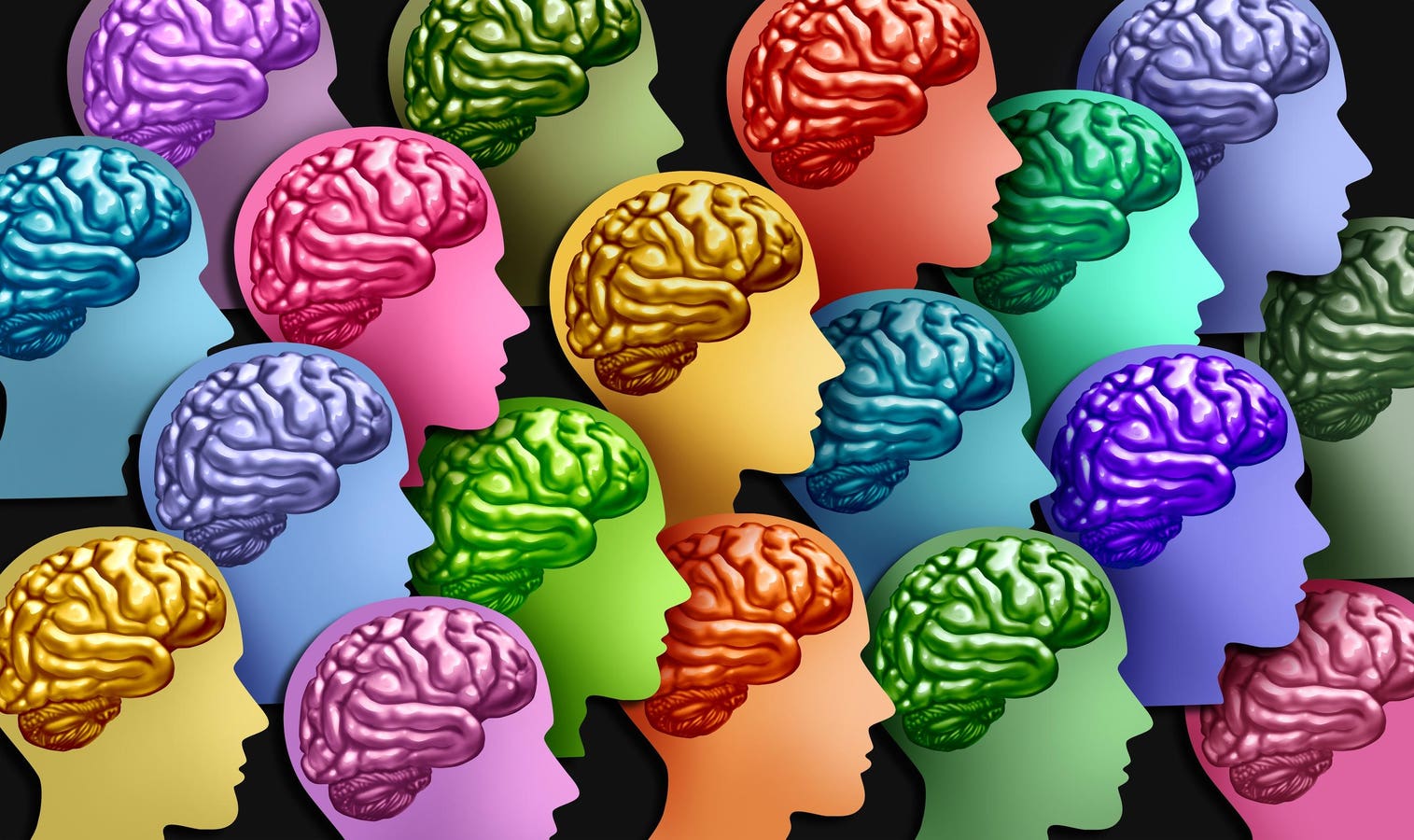
Embracing Neurodiversity in the Workplace: A New Era of Inclusion
The modern workplace is undergoing a significant shift, driven in part by the growing presence of young professionals who are redefining traditional notions of identity and diversity. A notable trend is the increasing willingness of Gen Z employees to openly identify as neurodiverse, with over half of this demographic embracing this aspect of their identity. Neurodiversity refers to the idea that people think, learn, and interact with the world in different ways, often due to conditions such as autism, ADHD, or dyslexia.
This shift towards greater openness about neurodiversity is particularly important, given the historical lack of support and understanding for neurodivergent employees. According to recent studies, one out of three neurodivergent employees fears being fired, and a significant proportion are dissatisfied with the support provided by their organizations. Moreover, many neurodivergent employees have reported taking time off work due to their condition, highlighting the need for more inclusive and supportive work environments.
Normalizing Neurodivergence: A Cultural Sea Change
The willingness of Gen Z employees to discuss their neurodiversity openly signals a demand for change in the workplace and a move towards normalizing conversations that were previously stigmatized or hidden. For leaders, this shift presents an opportunity to create a more inclusive and supportive work environment, one that values and leverages the unique strengths and perspectives of neurodivergent employees. As Julia Armet, a transformational leadership coach and autistic individual, notes, “If we don’t solve for the psychological safety of neurodivergent people, it’s going to be a mismatch between our workforce and our organizations.”
Fortunately, leaders can take practical steps to foster a more inclusive and supportive work environment. One key strategy is to reduce the obstacles to disclosure, making it easier for neurodivergent employees to feel comfortable sharing their needs and preferences. This can involve creating a culture of openness and acceptance, providing training for managers on neurodiversity and inclusion, and implementing flexible work arrangements and accommodations that support diverse needs.
Addressing the Double Empathy Problem
A significant challenge in creating a neuroinclusive work environment is the double empathy problem, a concept coined by autism researcher Dr. Damian Milton. This refers to the breakdown in communication that can occur between neurodiverse individuals and their non-neurodiverse colleagues, often due to mismatches in mutual empathy and understanding. For example, a non-autistic manager may interpret an autistic employee’s directness as rudeness, while the employee experiences the manager’s vague feedback as unhelpful.
Recognizing and addressing this problem requires a shift in perspective, from trying to “fix” one group to building bridges of empathy and understanding across differences. By learning to see and appreciate different communication styles, organizations can foster a more inclusive and supportive work environment, one that values and leverages the unique strengths and perspectives of all employees.
Investing in the Outliers: Unlocking Innovation and Creativity
Another key strategy for creating a neuroinclusive work environment is to intentionally invest in the outliers – those employees whose thinking, communication, or working style diverges from the norm. By embracing and supporting these individuals, organizations can tap into a rich source of innovation, problem-solving, and creative thinking. As Armet notes, “I see that as the seed for transformation. I see that as the source of innovation. And my objective then becomes, how do I foster a psychologically safe space to integrate that person?”
By resisting the need to make someone “fit” and instead learning how to engage and support unique ways of thinking, organizations can unlock the full potential of their employees and gain a lasting advantage in innovation and engagement. This requires a fundamental shift in mindset, from trying to conform individuals to a standard model to embracing and celebrating their differences. By doing so, organizations can create a more inclusive, supportive, and innovative work environment, one that values and leverages the unique strengths and perspectives of all employees.




Portable Benefits Could Fix the Gig Economy’s Biggest Problem

Ethical Reasoning Has Become a Core Workplace Skill and Training Programs Are Missing It

Stakeholder Pressure on CEOs Has Reached a Breaking Point

Identity Resilience at Work and Why It Matters More Than Grit

The Revenge of Middle Management and Why Organizations Should Pay Attention

First-Generation Professionals Face a Different Workplace and Nobody Prepares Them for It

Small Business Survival in Underserved Communities Needs More Than Microloans

Aging Populations are Reshaping Labor Markets Faster Than Policy Can Respond

How Emotional Intelligence Can Help You Manage Stress and Build Resilience

Interview with Dr. Kristy K. Taylor, WORxK Global News Magazine Founder

Sarah Herrlinger Talks AirPods Pro Hearing Aid

Unlocking Human Potential: Kim Groshek’s Journey to Transforming Leadership and Stress Resilience

NetWork Your Way to Success: Top Tips for Maximizing Your Professional Network

The Power of Belonging: Why Feeling Accepted Matters in the Workplace

Health-care stocks fall after Warren PBM bill, Brian Thompson shooting

Glenda Benevides: Creating Global Impact Through Music
-
 Resiliency1 year ago
How Emotional Intelligence Can Help You Manage Stress and Build Resilience
-
 Career Advice2 years ago
Interview with Dr. Kristy K. Taylor, WORxK Global News Magazine Founder
-
 Diversity and Inclusion (DEIA)2 years ago
Sarah Herrlinger Talks AirPods Pro Hearing Aid
-
 Changemaker Interviews2 years ago
Unlocking Human Potential: Kim Groshek’s Journey to Transforming Leadership and Stress Resilience
-
 Career Advice2 years ago
NetWork Your Way to Success: Top Tips for Maximizing Your Professional Network
-
 Diversity and Inclusion (DEIA)2 years ago
The Power of Belonging: Why Feeling Accepted Matters in the Workplace
-
 Global Trends and Politics2 years ago
Health-care stocks fall after Warren PBM bill, Brian Thompson shooting
-
 Changemaker Interviews2 years ago
Glenda Benevides: Creating Global Impact Through Music