
Global Trends and Politics
Dirty soda grows at Swig, Taco Bell, PepsiCo

Introduction to Dirty Soda
The concept of “dirty soda” was first introduced by Utah-based drink chain Swig in 2010. This innovative trend involves using pop as a base and adding flavored syrups, cream, or other ingredients to create unique and delicious drinks. Over the past 15 years, dirty soda has gained immense popularity, with many beverage companies and fast-food chains incorporating it into their menus.
Impact on the Beverage Industry
The rise of dirty soda has had a significant impact on the beverage industry, which had been experiencing a decline in soda consumption over the past two decades. According to Beverage Marketing, soda consumption peaked at 15.3 billion gallons in 2004 but had slid to 11.87 billion gallons by 2024. However, with the growing popularity of dirty soda and prebiotic sodas, the industry has seen a slight increase in consumption, with 2025 estimated to reach 11.88 billion gallons.
Dirty soda has also attracted younger consumers who previously didn’t drink much soda. Swig’s core customer base is young women between the ages of 18 and 35, and the trend has been particularly popular among Generation Z, with nearly three-quarters trying a new beverage every month on average, according to Keurig Dr Pepper’s 2025 trend report.
Adoption by Major Brands
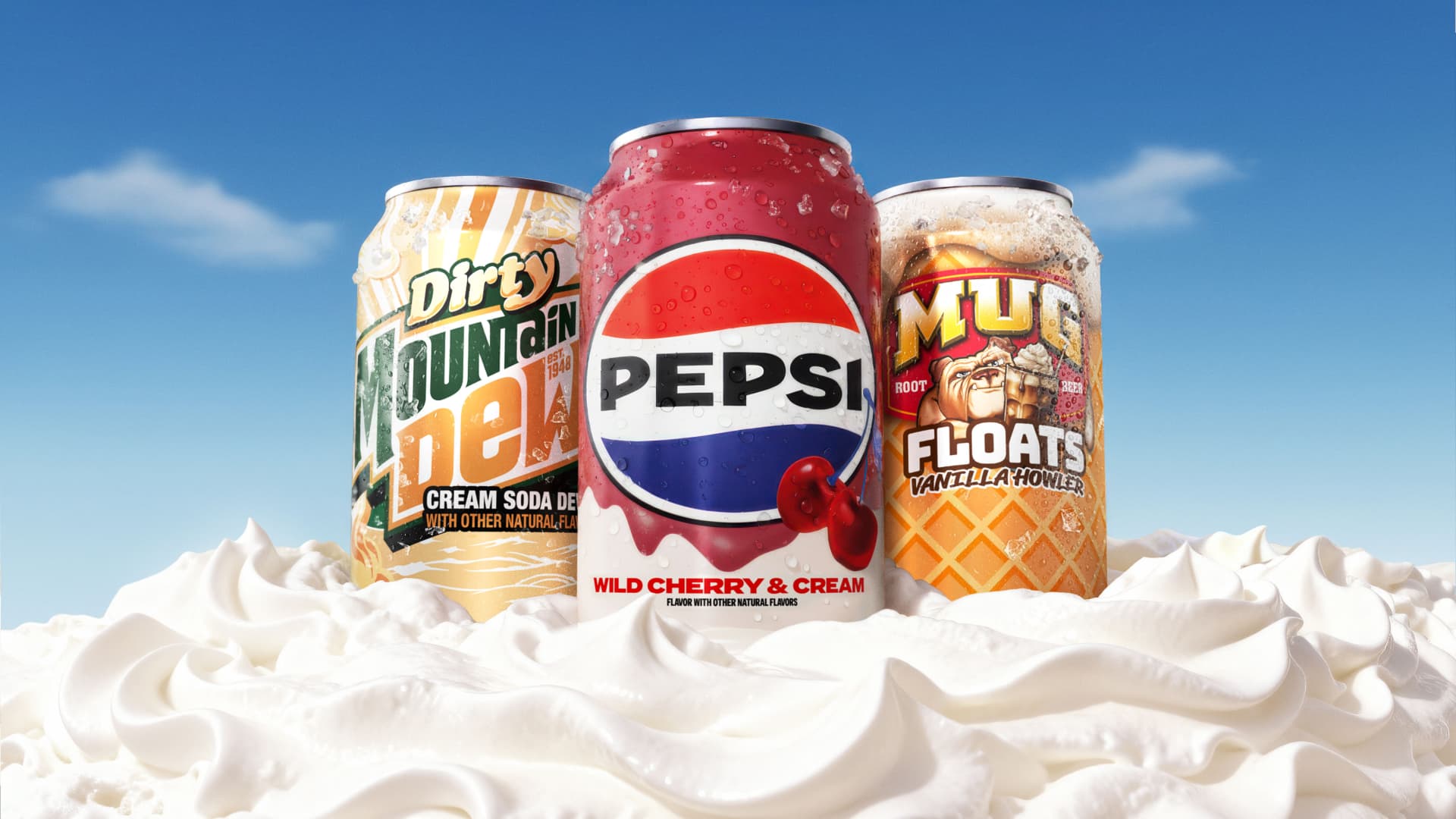
PepsiCo, one of the leading beverage companies, has been quick to capitalize on the dirty soda trend. The company plans to unveil two ready-to-drink dirty soda-inspired beverages, Dirty Dew and Mug Floats Vanilla Howler, at the National Association of Convenience Stores trade show in Chicago. PepsiCo’s Chief Marketing Officer, Mark Kirkham, believes that dirty soda offers a great opportunity for people to experience soda in a new way, comparing it to the nostalgia of root beer floats and old-time soda shops.
Other major brands, such as McDonald’s and Taco Bell, have also jumped on the bandwagon, offering limited-time menu items like dirty Mountain Dew Baja Blast. The trend has also drawn interest from coffee shops like Dutch Bros, which have added dirty soda to their menus.
Benefits for Restaurants and Consumers
For restaurants, adding dirty soda to the menu is a relatively easy and cost-effective way to offer customers a unique and customizable drink experience. According to Erica Holland-Toll, culinary director at The Culinary Edge, dirty soda allows brands to leverage their existing soda machines and incorporate one-touch ingredients like creamer, making it an attractive option for consumers looking for a fun and affordable treat.
Dirty soda has also been praised for its wide appeal, with less caffeine than coffee and a more accessible flavor profile. The bright colors of many dirty sodas have also made them a hit on social media platforms like TikTok, where the trend first gained popularity.
Future of Dirty Soda
As the dirty soda trend continues to grow, beverage companies are expected to cash in on the phenomenon with ready-to-drink versions and new flavor innovations. With the launch of Dirty Dew and Mug Floats Vanilla Howler, PepsiCo’s Mark Kirkham expects consumers to become even more creative with their concoctions, experimenting with new flavors and ingredients.
The rise of dirty soda has also led to a broader halo effect for the soda industry, with companies like Keurig Dr Pepper seeing a recruitment tool that brings new users into the trademark. As the trend continues to evolve, it will be interesting to see how beverage companies and restaurants adapt and innovate to meet the changing tastes and preferences of consumers.


Portable Benefits Could Fix the Gig Economy’s Biggest Problem

Ethical Reasoning Has Become a Core Workplace Skill and Training Programs Are Missing It

Stakeholder Pressure on CEOs Has Reached a Breaking Point

Identity Resilience at Work and Why It Matters More Than Grit

The Revenge of Middle Management and Why Organizations Should Pay Attention

First-Generation Professionals Face a Different Workplace and Nobody Prepares Them for It

Small Business Survival in Underserved Communities Needs More Than Microloans

Aging Populations are Reshaping Labor Markets Faster Than Policy Can Respond

How Emotional Intelligence Can Help You Manage Stress and Build Resilience

Interview with Dr. Kristy K. Taylor, WORxK Global News Magazine Founder

Sarah Herrlinger Talks AirPods Pro Hearing Aid

Unlocking Human Potential: Kim Groshek’s Journey to Transforming Leadership and Stress Resilience

NetWork Your Way to Success: Top Tips for Maximizing Your Professional Network

The Power of Belonging: Why Feeling Accepted Matters in the Workplace

Health-care stocks fall after Warren PBM bill, Brian Thompson shooting

Glenda Benevides: Creating Global Impact Through Music
-
 Resiliency1 year ago
How Emotional Intelligence Can Help You Manage Stress and Build Resilience
-
 Career Advice2 years ago
Interview with Dr. Kristy K. Taylor, WORxK Global News Magazine Founder
-
 Diversity and Inclusion (DEIA)2 years ago
Sarah Herrlinger Talks AirPods Pro Hearing Aid
-
 Changemaker Interviews2 years ago
Unlocking Human Potential: Kim Groshek’s Journey to Transforming Leadership and Stress Resilience
-
 Career Advice2 years ago
NetWork Your Way to Success: Top Tips for Maximizing Your Professional Network
-
 Diversity and Inclusion (DEIA)2 years ago
The Power of Belonging: Why Feeling Accepted Matters in the Workplace
-
 Global Trends and Politics2 years ago
Health-care stocks fall after Warren PBM bill, Brian Thompson shooting
-
 Changemaker Interviews2 years ago
Glenda Benevides: Creating Global Impact Through Music