
Innovation and Technology
AI Race Heats Up With U.S. Megadeals Vs. China’s Open Source

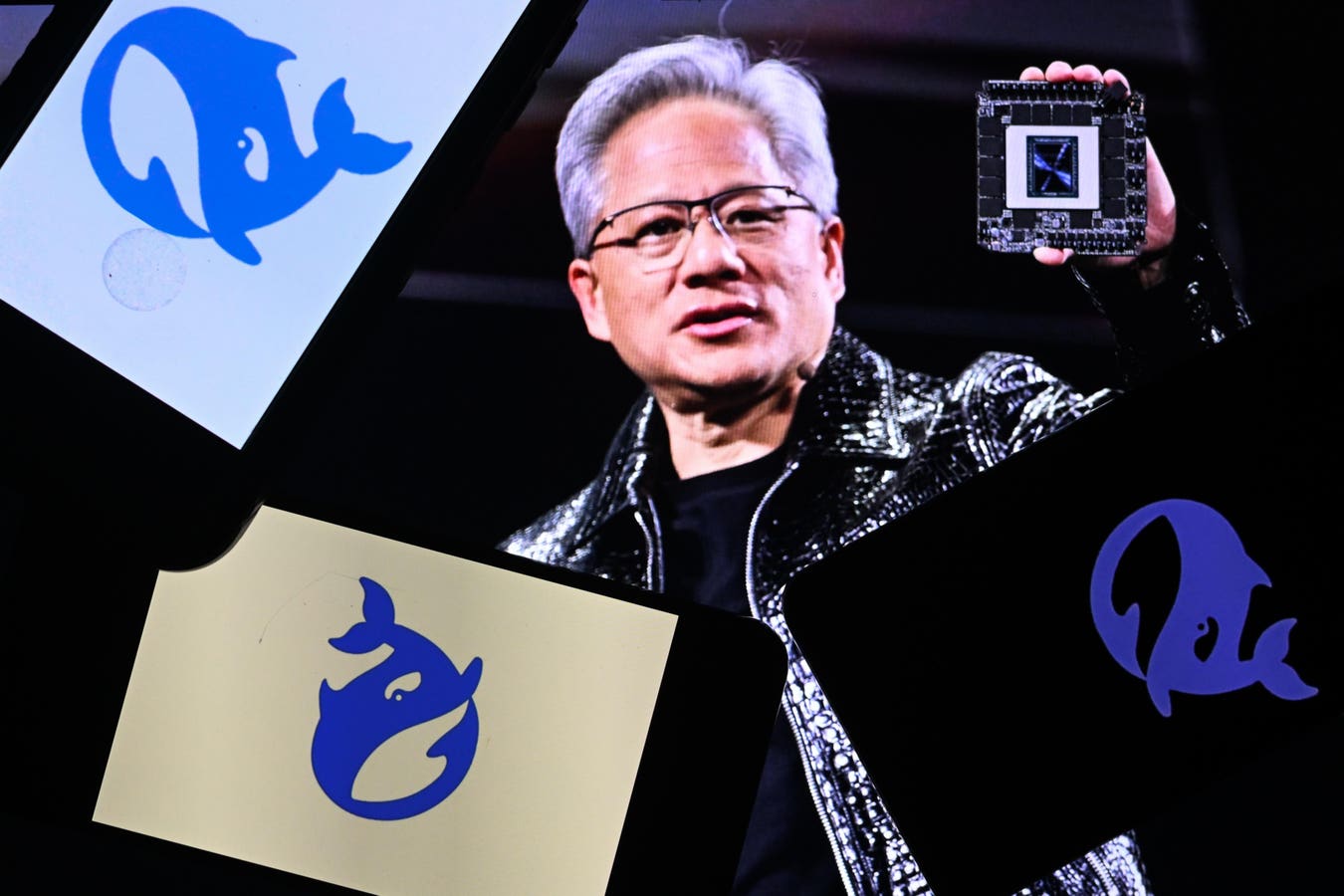
The global AI landscape is undergoing a significant transformation, with major U.S. tech firms engaging in high-stakes mergers and strategic partnerships. This has resulted in a concentrated consolidation of AI influence among a select few dominant players. In contrast, Chinese AI firms are adopting a different approach, emphasizing open-source innovation and spreading development opportunities across a wider array of firms.
Contrasting Strategies in the AI Landscape
Recently, OpenAI and Broadcom announced a multimillion-dollar deal, which will enable OpenAI to introduce custom chipsets in the second half of next year and build a data center with a total capacity of 10 gigawatts. This agreement is part of a larger trend, where U.S. tech firms are forming tightly interdependent networks, with each company financing the other’s capacity in a trillion-dollar loop. For instance, OpenAI has also struck a multiyear, multibillion-dollar deal to purchase 6 gigawatts of AMD GPUs, while Nvidia has invested $5 billion in Intel to expand chip packaging capacity.
On the other hand, China’s leading AI firms are taking a different path. They are open-sourcing their models, optimizing for local chips, and prioritizing adaptability over scale. This approach is evident in the development of open-source models like Tencent’s Hunyuan suite, DeepSeek’s reasoning model, and Moonshot AI’s Kimi model. These projects are forming a distinct strategy, characterized by fewer megadeals and more modular innovation, with a focus on transparency and reproducibility.
The U.S. Model: Capital-Intensive and Vertically Integrated
The U.S. model is designed for control and speed, with a handful of companies like OpenAI, Microsoft, Nvidia, and Oracle coordinating production, finance, and deployment at unprecedented scale. This approach depends on vast, centralized “AI factories” that are capital-intensive and vertically integrated. However, this model also magnifies exposure to market and supply shocks, making it vulnerable to systemic risks.
In contrast, China’s model is distributed and software-driven, with a focus on open-source innovation and low-cost adaptability. This approach spreads innovation across a broader base of contributors, lowering barriers to entry and diluting systemic risk. By emphasizing transparency and reproducibility, Chinese AI firms are creating a more resilient and adaptable ecosystem.
The New Chokepoint: Packaging and Power
As the AI landscape continues to evolve, the next battle will be about packaging and power. Nvidia’s move into Intel shows that the bottleneck has shifted from chip design to physical integration and electricity. Advanced packaging, where multiple chips are stacked and connected with high-bandwidth memory, is now the constraint on global AI capacity. Additionally, power is becoming a major limit, with OpenAI’s 6GW AMD order implying data centers the size of small cities, which will strain power grids and require new partnerships with utilities and energy traders.
Outlook: Sustainability and the Next Frontier
In the near term, the industry will be watching to see whether the U.S. circular megadeal system is sustainable. While corrections can be brutal, they also clear the field for the durable players. The AI arms race now looks less like a sprint for intelligence and more like a global infrastructure contest. Whoever balances scale with resilience, whether through trillion-dollar GPU factories or lightweight open models, will define the next decade of technology.
Ultimately, the future of AI will depend on the ability of companies to adapt to changing circumstances, prioritize sustainability, and foster innovation. As the global AI landscape continues to evolve, it will be essential to monitor the developments in the U.S. and China, and to consider the implications of these contrasting strategies for the future of technology.




Portable Benefits Could Fix the Gig Economy’s Biggest Problem

Ethical Reasoning Has Become a Core Workplace Skill and Training Programs Are Missing It

Stakeholder Pressure on CEOs Has Reached a Breaking Point

Identity Resilience at Work and Why It Matters More Than Grit

The Revenge of Middle Management and Why Organizations Should Pay Attention

First-Generation Professionals Face a Different Workplace and Nobody Prepares Them for It

Small Business Survival in Underserved Communities Needs More Than Microloans

Aging Populations are Reshaping Labor Markets Faster Than Policy Can Respond

How Emotional Intelligence Can Help You Manage Stress and Build Resilience

Interview with Dr. Kristy K. Taylor, WORxK Global News Magazine Founder

Sarah Herrlinger Talks AirPods Pro Hearing Aid

Unlocking Human Potential: Kim Groshek’s Journey to Transforming Leadership and Stress Resilience

NetWork Your Way to Success: Top Tips for Maximizing Your Professional Network

The Power of Belonging: Why Feeling Accepted Matters in the Workplace

Health-care stocks fall after Warren PBM bill, Brian Thompson shooting

Glenda Benevides: Creating Global Impact Through Music
-
 Resiliency1 year ago
How Emotional Intelligence Can Help You Manage Stress and Build Resilience
-
 Career Advice2 years ago
Interview with Dr. Kristy K. Taylor, WORxK Global News Magazine Founder
-
 Diversity and Inclusion (DEIA)2 years ago
Sarah Herrlinger Talks AirPods Pro Hearing Aid
-
 Changemaker Interviews2 years ago
Unlocking Human Potential: Kim Groshek’s Journey to Transforming Leadership and Stress Resilience
-
 Career Advice2 years ago
NetWork Your Way to Success: Top Tips for Maximizing Your Professional Network
-
 Diversity and Inclusion (DEIA)2 years ago
The Power of Belonging: Why Feeling Accepted Matters in the Workplace
-
 Global Trends and Politics2 years ago
Health-care stocks fall after Warren PBM bill, Brian Thompson shooting
-
 Changemaker Interviews2 years ago
Glenda Benevides: Creating Global Impact Through Music