
Global Trends and Politics
Honda, VW bracing for outage

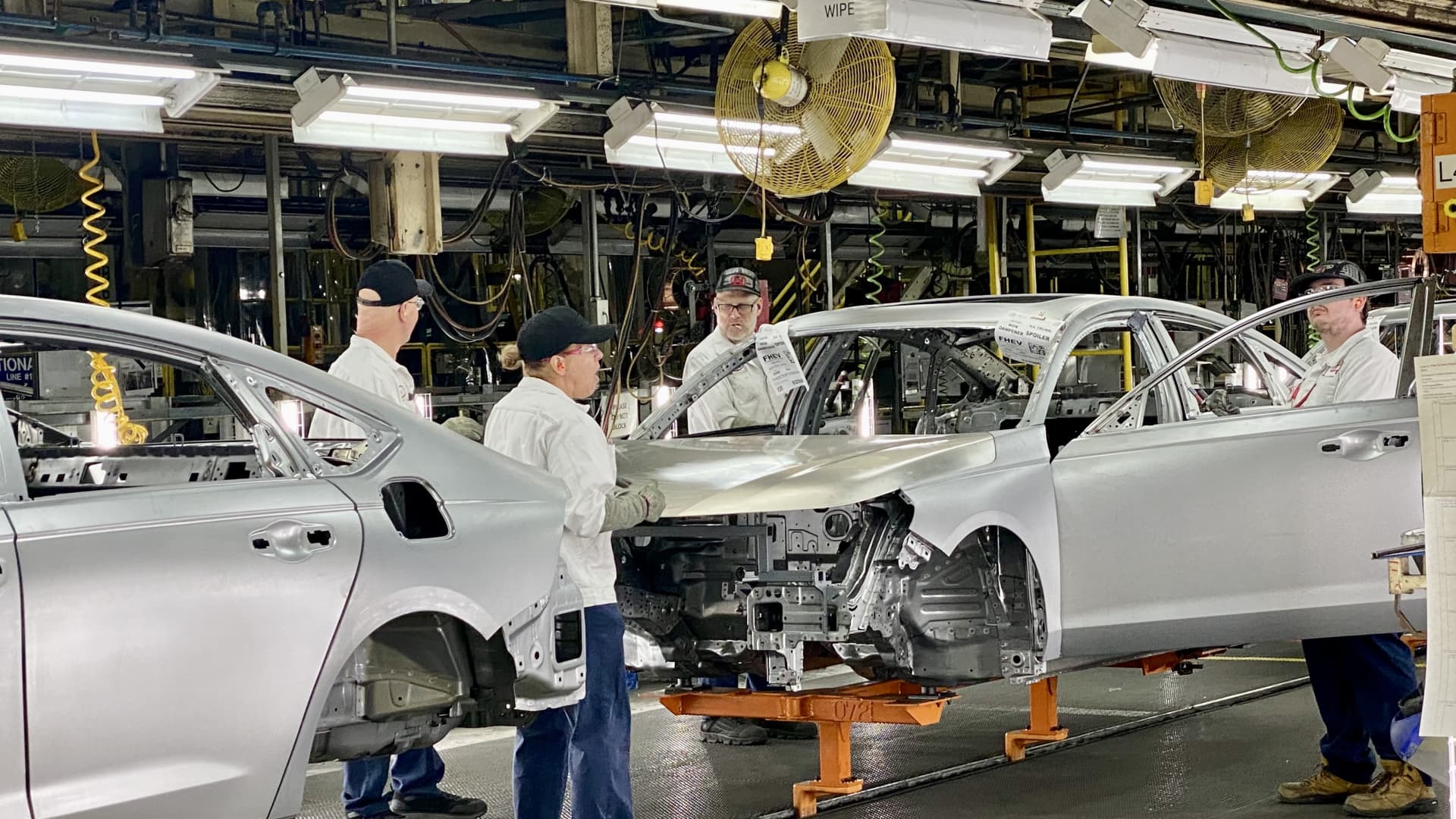
The global automotive industry is facing a potential shortage of semiconductor chips, sparked by the Dutch government’s decision to take control of Nexperia, a Netherlands-based supplier of automotive chips. This move has led to a chain reaction, with Honda Motor becoming the first known automaker to reduce production due to the shortage. The situation is being closely monitored by other major automakers, including Volkswagen, which has stated that it has until at least next week before its supplies impact production.
The shortage of automotive semiconductor chips is not a new issue, as the industry faced a similar crisis in 2020 due to the Covid pandemic. However, the current situation is more complex, with geopolitical tensions between the US and China playing a significant role. The Dutch government’s decision to take control of Nexperia, which is owned by Chinese company Wingtech Technology Co, has been seen as a highly unusual move, reportedly due to security concerns raised by the US. China has responded by blocking exports of the firm’s finished products, sparking alarm in Europe’s auto industry.
The affected chips are legacy semiconductors used in basic vehicle functions such as windshield wipers and window controls, which lack sufficient alternative sources. The European Automobile Manufacturers’ Association has warned that carmakers are close to closing production lines due to the chip shortage, which could have significant consequences for the industry. The situation is being closely monitored by industry leaders, with many establishing “war rooms” to manage the crisis and find alternative sources of supply.
Automakers such as Stellantis, Ford, and General Motors are working closely with their suppliers and the US and Chinese administrations to resolve the issue. The situation is seen as a “political issue” that requires a diplomatic solution, with many industry leaders calling for a quick breakthrough to avoid production losses. The use of “war rooms” has become a regular practice in the automotive industry, as companies work to mitigate the effects of supply chain disruptions and find alternative sources of supply.
The impacts of the chip shortage are expected to continue to spread to other automakers if a resolution is not found. The situation is fluid, with many companies working around the clock to minimize possible disruptions. The industry is hopeful that a resolution can be found soon, but the situation remains uncertain. As the global automotive industry continues to navigate this complex issue, one thing is clear: the shortage of semiconductor chips has the potential to have significant consequences for the industry and the global economy.


Portable Benefits Could Fix the Gig Economy’s Biggest Problem

Ethical Reasoning Has Become a Core Workplace Skill and Training Programs Are Missing It

Stakeholder Pressure on CEOs Has Reached a Breaking Point

Identity Resilience at Work and Why It Matters More Than Grit

The Revenge of Middle Management and Why Organizations Should Pay Attention

First-Generation Professionals Face a Different Workplace and Nobody Prepares Them for It

Small Business Survival in Underserved Communities Needs More Than Microloans

Aging Populations are Reshaping Labor Markets Faster Than Policy Can Respond

How Emotional Intelligence Can Help You Manage Stress and Build Resilience

Interview with Dr. Kristy K. Taylor, WORxK Global News Magazine Founder

Sarah Herrlinger Talks AirPods Pro Hearing Aid

Unlocking Human Potential: Kim Groshek’s Journey to Transforming Leadership and Stress Resilience

NetWork Your Way to Success: Top Tips for Maximizing Your Professional Network

The Power of Belonging: Why Feeling Accepted Matters in the Workplace

Health-care stocks fall after Warren PBM bill, Brian Thompson shooting

Glenda Benevides: Creating Global Impact Through Music
-
 Resiliency1 year ago
How Emotional Intelligence Can Help You Manage Stress and Build Resilience
-
 Career Advice2 years ago
Interview with Dr. Kristy K. Taylor, WORxK Global News Magazine Founder
-
 Diversity and Inclusion (DEIA)2 years ago
Sarah Herrlinger Talks AirPods Pro Hearing Aid
-
 Changemaker Interviews2 years ago
Unlocking Human Potential: Kim Groshek’s Journey to Transforming Leadership and Stress Resilience
-
 Career Advice2 years ago
NetWork Your Way to Success: Top Tips for Maximizing Your Professional Network
-
 Diversity and Inclusion (DEIA)2 years ago
The Power of Belonging: Why Feeling Accepted Matters in the Workplace
-
 Global Trends and Politics2 years ago
Health-care stocks fall after Warren PBM bill, Brian Thompson shooting
-
 Changemaker Interviews2 years ago
Glenda Benevides: Creating Global Impact Through Music