
Innovation and Technology
Building Trust In AI Starts With Protecting The Data Behind It

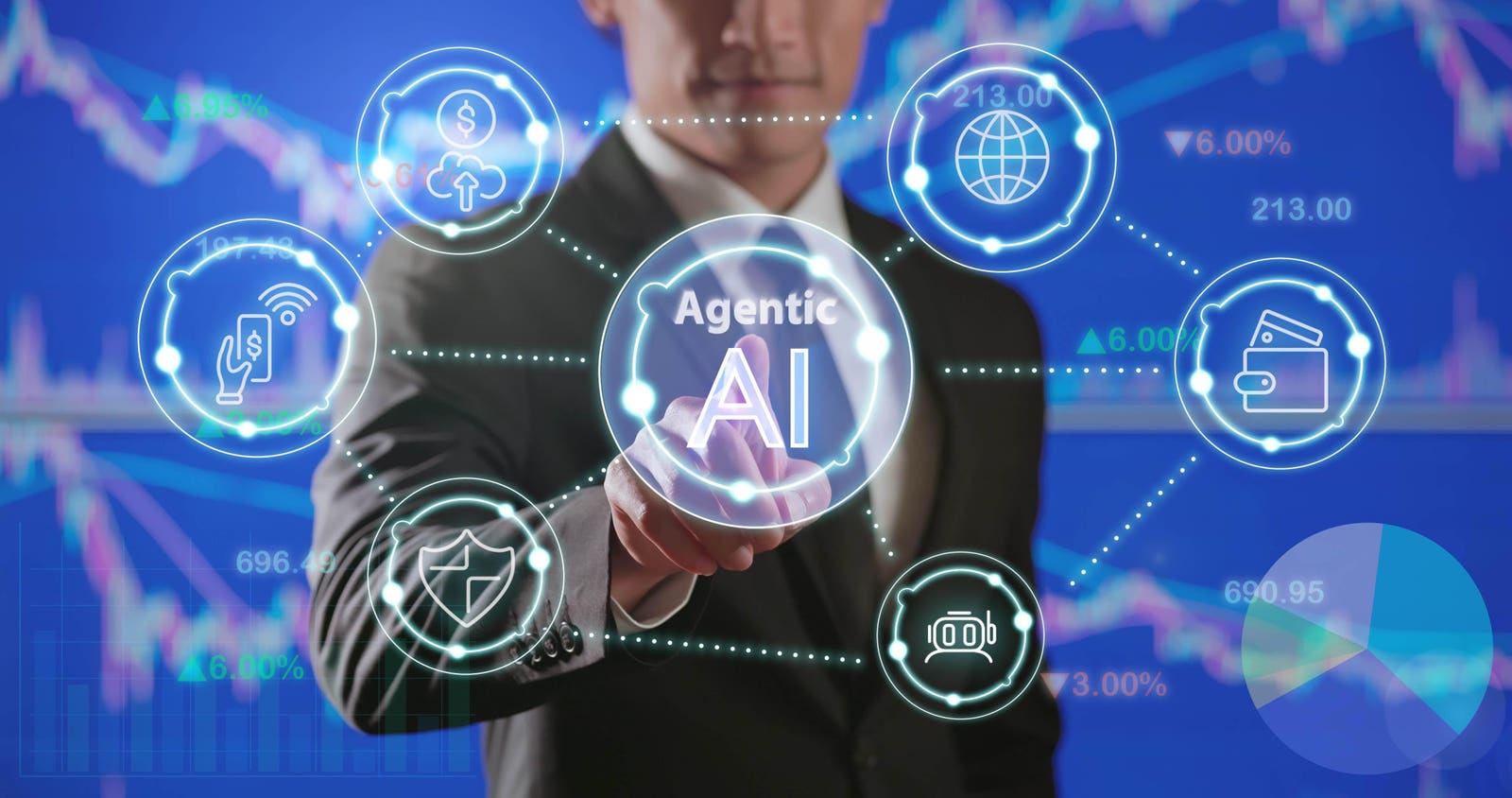
The rise of artificial intelligence (AI) has brought about a significant shift in the way we approach technology. AI is no longer just a tool for prediction or automation; it has become an autonomous decision-maker. This evolution, known as agentic AI, represents a profound change in how we build and interact with systems. As AI agents move from support tools to autonomous decision-makers, securing the data behind them has become the foundation of digital trust.
The Power and Risk of AI
AI’s ability to reason, make choices, and take action in the world comes with immense power and risk. Every decision an AI makes reflects the integrity of the data it’s trained on and the safeguards defining its boundaries. Jason Clark, chief strategy officer at Cyera, notes that AI is a superpower that consumes a lot of data and creates a lot of data. The challenge lies in ensuring that AI and data governance go hand-in-hand.
This is the premise of Cyera’s DataSecAI 2025 Conference, a hybrid event that brings together CISOs, researchers, and policymakers to redefine how data and AI security intersect. The conference has already drawn over 1,000 attendees from around the world, with 70% of them being C-level executives. The reason for this interest is simple: everyone is trying to figure out how to secure AI before it scales beyond control.
From Defense to Discovery
For decades, cybersecurity has focused on chasing threats, patching vulnerabilities, and reacting to breaches. However, AI changes this equation entirely. Clark argues that we’ve been chasing threats and vulnerabilities for so long that we never solved the data problem. With AI, this problem has become a hundred times bigger. Cyera’s latest AI Readiness Report found that 70% of organizations are deploying AI tools without fully understanding their data exposure, resulting in a widening gap between innovation and protection.
Industry data from Omdia underscores the pace of adoption and the risks accompanying it. Enterprises are enthusiastically investing in generative AI and AI agents, with 80% of organizations saying AI agents are a top or high priority. The first wave of agent adoption is focused on relatively low-risk use cases, but as AI agents move closer to the heart of the enterprise, the stakes rise.
Keeping Agents on a Leash
The growing phenomenon of AI agents, digital workers that log in, perform tasks, and interact with systems like humans, requires a new approach to governance. These agents need to be treated like employees, with distinct identities, permissions, and oversight. Clark emphasizes the need to keep AI agents “on a leash,” with the level of autonomy determined by the organization’s risk tolerance.
This approach is not about restricting AI but about giving it autonomy in stages, just as you would with a new employee. As confidence builds, the leash can be loosened, but there’s always a human in the loop. The question is how far along the autonomy scale an organization is willing to go.
Education as Infrastructure
Cyera’s AI Security School is a free program designed to train professionals to understand and mitigate AI-driven risks. The courses cover everything from model governance to data classification and behavioral monitoring, bridging the gap between theoretical security and practical defense. This education is essential, as security talent is being asked to evolve faster than ever before.
AI breaks everything we do today, and we need to re-educate the industry on how to think about access, behavior, and data together. Education becomes the connective tissue of resilience, enabling organizations to adapt as fast as technology itself.
Trust as the New Perimeter
Trust has become a recurring theme in conversations about AI. It’s not just about trusting the data or the model; it’s about trusting that the systems interpreting our world are doing so faithfully. Clark and others agree that AI will inevitably make mistakes, and perfection isn’t the right benchmark.
The need for constant oversight at scale is critical, with agents overseeing agents and something watching them all. This ecosystem of digital workers, supervisors, and monitors mirrors human organizations, but at its heart, it all comes back to one principle: the data must be right. Without that, trust collapses.
Building Intelligent Trust
The DataSecAI 2025 Conference is not just about technical controls; it’s about redefining confidence in the age of autonomy. Cyera’s combination of research, education, and community shows what the future could look like: transparent, governed, and human-aligned. We don’t need to fear AI; we need to understand it, and that understanding begins with the data beneath it.




Portable Benefits Could Fix the Gig Economy’s Biggest Problem

Ethical Reasoning Has Become a Core Workplace Skill and Training Programs Are Missing It

Stakeholder Pressure on CEOs Has Reached a Breaking Point

Identity Resilience at Work and Why It Matters More Than Grit

The Revenge of Middle Management and Why Organizations Should Pay Attention

First-Generation Professionals Face a Different Workplace and Nobody Prepares Them for It

Small Business Survival in Underserved Communities Needs More Than Microloans

Aging Populations are Reshaping Labor Markets Faster Than Policy Can Respond

How Emotional Intelligence Can Help You Manage Stress and Build Resilience

Interview with Dr. Kristy K. Taylor, WORxK Global News Magazine Founder

Sarah Herrlinger Talks AirPods Pro Hearing Aid

Unlocking Human Potential: Kim Groshek’s Journey to Transforming Leadership and Stress Resilience

NetWork Your Way to Success: Top Tips for Maximizing Your Professional Network

The Power of Belonging: Why Feeling Accepted Matters in the Workplace

Health-care stocks fall after Warren PBM bill, Brian Thompson shooting

Glenda Benevides: Creating Global Impact Through Music
-
 Resiliency1 year ago
How Emotional Intelligence Can Help You Manage Stress and Build Resilience
-
 Career Advice2 years ago
Interview with Dr. Kristy K. Taylor, WORxK Global News Magazine Founder
-
 Diversity and Inclusion (DEIA)2 years ago
Sarah Herrlinger Talks AirPods Pro Hearing Aid
-
 Changemaker Interviews2 years ago
Unlocking Human Potential: Kim Groshek’s Journey to Transforming Leadership and Stress Resilience
-
 Career Advice2 years ago
NetWork Your Way to Success: Top Tips for Maximizing Your Professional Network
-
 Diversity and Inclusion (DEIA)2 years ago
The Power of Belonging: Why Feeling Accepted Matters in the Workplace
-
 Global Trends and Politics2 years ago
Health-care stocks fall after Warren PBM bill, Brian Thompson shooting
-
 Changemaker Interviews2 years ago
Glenda Benevides: Creating Global Impact Through Music