
Innovation and Technology
How Social Bonds Protect The Brain—and How Tech Can Help

The complexities of brain health have long been a topic of interest, with many believing that a combination of diet, exercise, genetics, and mental stimulation are the key factors in maintaining cognitive function. However, recent research suggests that the strength of our relationships and the depth of our social connections may play a far more significant role in our long-term cognitive health than previously thought.
The Power of Social Connection
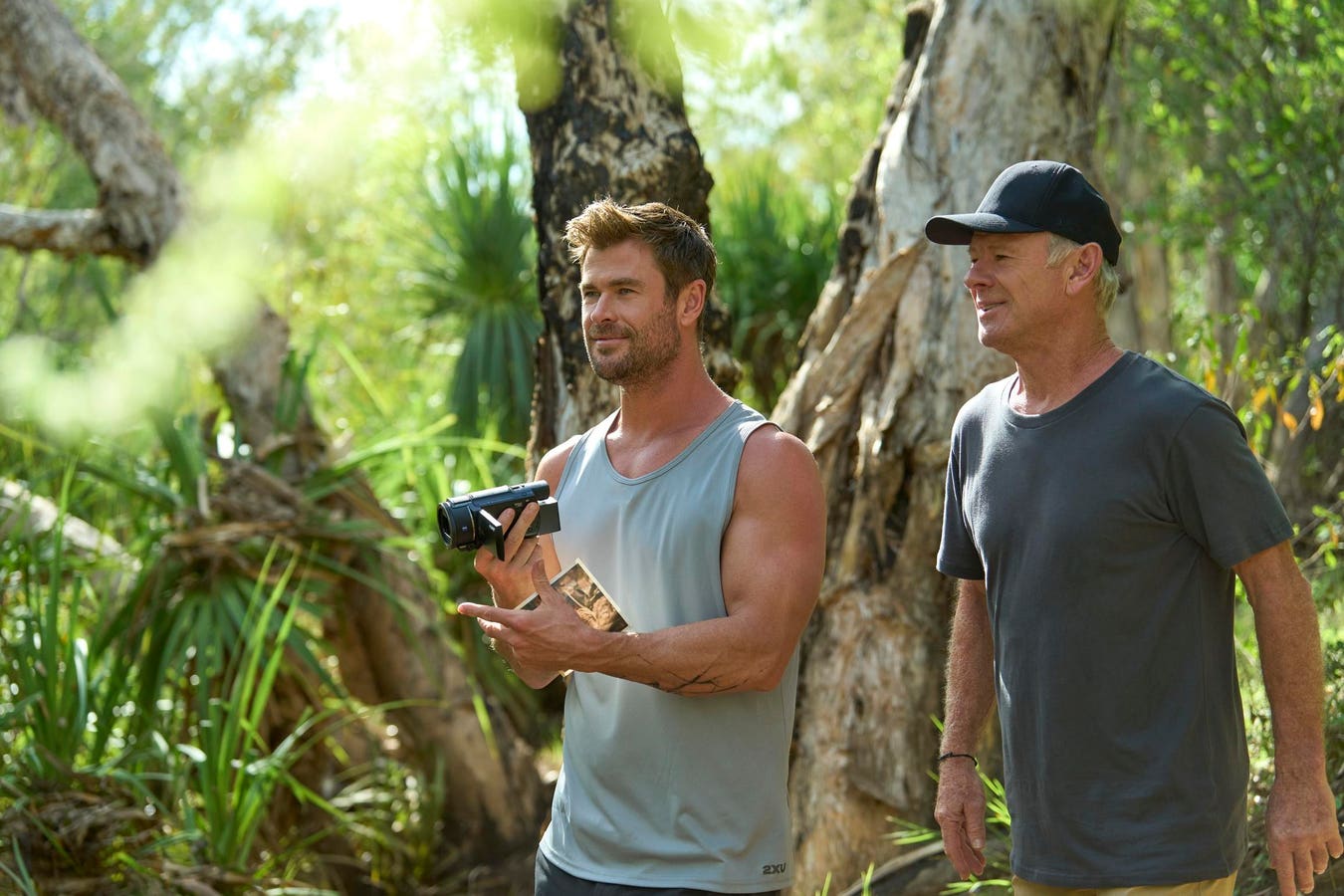
A new documentary, Chris Hemsworth: A Road Trip To Remember, explores the emerging science of social connection and its impact on brain health. The film follows Chris Hemsworth and his father, Craig, as they embark on a road trip to revisit meaningful places and faces from their past, capturing their journey as a home movie and reviving treasured recollections. This personal journey becomes a lens into the science of social connection, highlighting the importance of relationships and social engagement in supporting cognitive function.
Dr. Suraj Samtani, a respected researcher on the impact of social connections on cognitive aging, mental health, and mortality risk, emphasizes that the benefits of social connection are not just emotional, but also measurable. His research has found that regular social connections can slow the rate of cognitive decline, with the impact compounding over time. This data is reinforced by the documentary, which shows the positive effects of social connection on Chris’s father, Craig, as they revisit meaningful places and people from their past.
The Science Behind Social Connection
Reminiscence therapy, which involves using memories, music, photographs, and familiar environments to trigger recall, has been shown to produce short- to medium-term cognitive improvements. This therapy can be replicated in everyday life by using old photo albums, home videos, music, and objects that carry emotional weight. By “meeting people where they’re at,” individuals can help stimulate memories and keep the brain engaged. The documentary highlights the importance of repetition in keeping memories alive, as Chris and his father return to familiar cues and revisit meaningful experiences.
The use of technology, such as AI models that analyze patterns of social behavior, is also being explored as a way to extend our understanding of social connection. These models can identify early indicators of social isolation, such as reduced engagement with friends or community groups, and provide clues for families and clinicians to offer support. This intersection of neuroscience and machine learning has the potential to help protect the connections that keep the brain resilient.
The Broader Implications of Social Connection
Social connection is not just beneficial for those experiencing cognitive decline, but also has a preventive effect. Staying socially active can support long-term cognitive health, just like physical activity supports the body. Research has shown that people with strong social networks experience slower cognitive decline, lower dementia risk, and longer lifespans. Even casual contact, such as periodic conversations or community involvement, can make a measurable difference.
The documentary also highlights the importance of emotional weight in memory formation. The brain stores meaning, not full recordings, and emotion acts like a highlighter, marking what matters and letting the rest slip away. This is why music, rituals, and stories anchor many of our strongest memories. By prioritizing social connection and emotional experience, individuals can build a stronger foundation for brain health.
Rethinking Brain Health
The documentary and the science behind it call for a broader view of brain health, one that treats connection as a central pillar rather than an afterthought. By reframing care as a social, relational, and everyday challenge, rather than a strictly medical one, individuals can take a more holistic approach to supporting their brain health. As AI tools mature and social-connection research advances, we may gain better insight into the early signs of isolation and the interventions that make a difference, ultimately leading to a more comprehensive understanding of brain health.
Chris Hemsworth: A Road Trip To Remember offers a vivid example of the importance of social connection in brain health, highlighting the need to prioritize relationships, community, and emotional experience. By doing so, individuals can build a stronger foundation for long-term cognitive health and well-being.




Portable Benefits Could Fix the Gig Economy’s Biggest Problem

Ethical Reasoning Has Become a Core Workplace Skill and Training Programs Are Missing It

Stakeholder Pressure on CEOs Has Reached a Breaking Point

Identity Resilience at Work and Why It Matters More Than Grit

The Revenge of Middle Management and Why Organizations Should Pay Attention

First-Generation Professionals Face a Different Workplace and Nobody Prepares Them for It

Small Business Survival in Underserved Communities Needs More Than Microloans

Aging Populations are Reshaping Labor Markets Faster Than Policy Can Respond

How Emotional Intelligence Can Help You Manage Stress and Build Resilience

Interview with Dr. Kristy K. Taylor, WORxK Global News Magazine Founder

Sarah Herrlinger Talks AirPods Pro Hearing Aid

Unlocking Human Potential: Kim Groshek’s Journey to Transforming Leadership and Stress Resilience

NetWork Your Way to Success: Top Tips for Maximizing Your Professional Network

The Power of Belonging: Why Feeling Accepted Matters in the Workplace

Health-care stocks fall after Warren PBM bill, Brian Thompson shooting

Glenda Benevides: Creating Global Impact Through Music
-
 Resiliency1 year ago
How Emotional Intelligence Can Help You Manage Stress and Build Resilience
-
 Career Advice2 years ago
Interview with Dr. Kristy K. Taylor, WORxK Global News Magazine Founder
-
 Diversity and Inclusion (DEIA)2 years ago
Sarah Herrlinger Talks AirPods Pro Hearing Aid
-
 Changemaker Interviews2 years ago
Unlocking Human Potential: Kim Groshek’s Journey to Transforming Leadership and Stress Resilience
-
 Career Advice2 years ago
NetWork Your Way to Success: Top Tips for Maximizing Your Professional Network
-
 Diversity and Inclusion (DEIA)2 years ago
The Power of Belonging: Why Feeling Accepted Matters in the Workplace
-
 Global Trends and Politics2 years ago
Health-care stocks fall after Warren PBM bill, Brian Thompson shooting
-
 Changemaker Interviews2 years ago
Glenda Benevides: Creating Global Impact Through Music