
Global Trends and Politics
How retail’s biggest event became a letdown

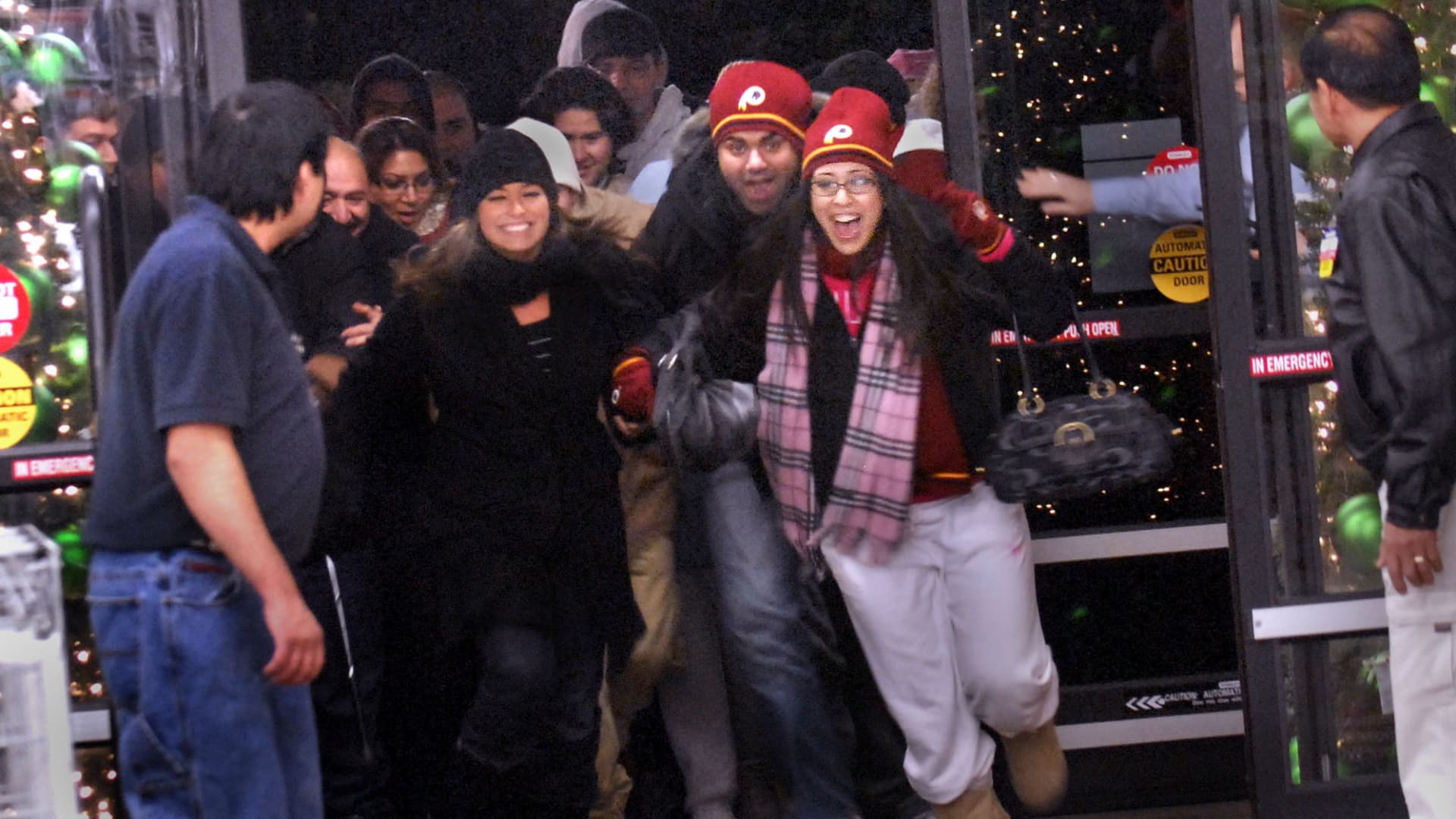
Black Friday, once the most anticipated shopping event of the year, has undergone a significant transformation in recent years. The traditional image of massive crowds, rock-bottom prices, and frenzied consumers has given way to a more subdued and online-focused experience. As the retail landscape continues to evolve, it’s essential to examine the factors contributing to this shift and what it means for consumers and retailers alike.
The Evolution of Black Friday
In the 1980s, Black Friday became a major shopping event, with retailers carefully planning and executing massive sales to kick off the holiday season. However, as the years went by, the event’s popularity led to its dilution. Retailers began to extend their sales periods, opening earlier on Friday, then on Thanksgiving, and eventually offering promotions throughout the season. This expansion made it challenging for retailers to manage inventory and staffing, leading to a more spread-out and less intense shopping experience.
Meanwhile, consumer habits were also changing. The rise of online shopping, which accelerated during the COVID-19 pandemic, has reduced the need for in-person Black Friday sales. Retailers can now reach customers through their websites and social media, making it easier for consumers to shop from the comfort of their own homes. This shift has led to a decline in foot traffic on Black Friday, with many shoppers opting for online deals instead.
The Impact on Retailers and Consumers
The changes in Black Friday shopping habits have significant implications for retailers. Many are adapting by launching their holiday sales earlier in the season, while others are spacing out promotions to create a more sustained shopping period. Some retailers, like Kohl’s, are opening their doors earlier, while others, like Walmart, are offering separate events and online deals. This shift requires retailers to rethink their strategies and invest in e-commerce and digital marketing to remain competitive.
For consumers, the evolution of Black Friday means a more relaxed shopping experience. With online deals and extended sales periods, shoppers can avoid the chaos and crowds associated with traditional Black Friday shopping. However, this also means that the excitement and urgency of the event have diminished, and consumers may be more skeptical about the value of the deals being offered.
Are Black Friday Deals Still Worth It?
The question on many consumers’ minds is whether Black Friday deals are still worth the hype. With rampant discounting across the industry, it’s becoming increasingly difficult for shoppers to determine the true value of the deals. Some retailers may be using Black Friday as an opportunity to clear out old inventory or disguise price increases as discounts. As a result, consumers are becoming more cautious and discerning, seeking out genuine bargains and researching prices before making a purchase.
Ultimately, the future of Black Friday will depend on retailers’ ability to adapt to changing consumer habits and preferences. By offering competitive online deals, investing in e-commerce, and creating a more personalized shopping experience, retailers can continue to attract customers and drive sales during the holiday season. As the retail landscape continues to evolve, one thing is certain – Black Friday will never be the same again.


Portable Benefits Could Fix the Gig Economy’s Biggest Problem

Ethical Reasoning Has Become a Core Workplace Skill and Training Programs Are Missing It

Stakeholder Pressure on CEOs Has Reached a Breaking Point

Identity Resilience at Work and Why It Matters More Than Grit

The Revenge of Middle Management and Why Organizations Should Pay Attention

First-Generation Professionals Face a Different Workplace and Nobody Prepares Them for It

Small Business Survival in Underserved Communities Needs More Than Microloans

Aging Populations are Reshaping Labor Markets Faster Than Policy Can Respond

How Emotional Intelligence Can Help You Manage Stress and Build Resilience

Interview with Dr. Kristy K. Taylor, WORxK Global News Magazine Founder

Sarah Herrlinger Talks AirPods Pro Hearing Aid

Unlocking Human Potential: Kim Groshek’s Journey to Transforming Leadership and Stress Resilience

NetWork Your Way to Success: Top Tips for Maximizing Your Professional Network

The Power of Belonging: Why Feeling Accepted Matters in the Workplace

Health-care stocks fall after Warren PBM bill, Brian Thompson shooting

Glenda Benevides: Creating Global Impact Through Music
-
 Resiliency1 year ago
How Emotional Intelligence Can Help You Manage Stress and Build Resilience
-
 Career Advice2 years ago
Interview with Dr. Kristy K. Taylor, WORxK Global News Magazine Founder
-
 Diversity and Inclusion (DEIA)2 years ago
Sarah Herrlinger Talks AirPods Pro Hearing Aid
-
 Changemaker Interviews2 years ago
Unlocking Human Potential: Kim Groshek’s Journey to Transforming Leadership and Stress Resilience
-
 Career Advice2 years ago
NetWork Your Way to Success: Top Tips for Maximizing Your Professional Network
-
 Diversity and Inclusion (DEIA)2 years ago
The Power of Belonging: Why Feeling Accepted Matters in the Workplace
-
 Global Trends and Politics2 years ago
Health-care stocks fall after Warren PBM bill, Brian Thompson shooting
-
 Changemaker Interviews2 years ago
Glenda Benevides: Creating Global Impact Through Music