
Global Trends and Politics
RFK Jr.’s vaccine panel to vote on hepatitis B shot for babies

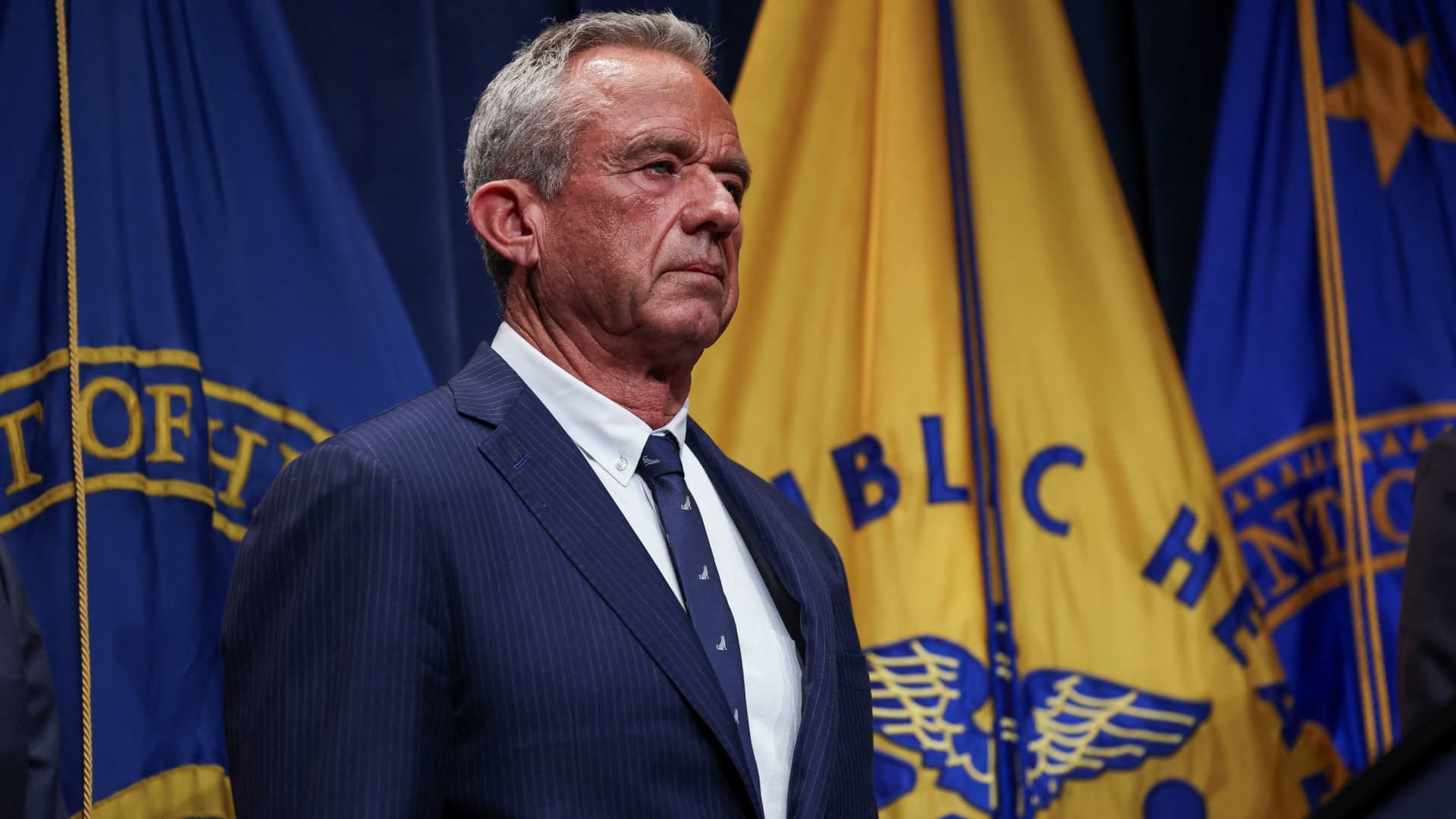
Upcoming Vote on Hepatitis B Vaccine Recommendation Sparks Concerns
A crucial vote is scheduled to take place on Thursday regarding the hepatitis B vaccine recommendation for newborns. The Advisory Committee on Immunization Practices (ACIP) will decide whether to alter the long-standing guideline that every baby should receive the vaccine within 24 hours of birth. This decision has significant implications, as hepatitis B can lead to liver disease and early death, with no cure available.
The current recommendation, introduced in 1991, has been instrumental in reducing infections in children by 99%. Public health experts, such as Neil Maniar, a professor at Northeastern University, emphasize the importance of maintaining this guideline. “We have a vaccine that is highly effective at preventing an incurable disease. We should take full advantage of that,” Maniar stated. Any changes to the recommendation could lead to an increase in chronic infections among children, which would be a significant setback in the fight against this disease.
Background and Context
The hepatitis B vaccine is typically administered to newborns to prevent the transmission of the virus from mother to child during childbirth. The vaccine has been proven to be highly effective, with a remarkable success story of reducing infections in kids by 99% since its introduction. The American Academy of Pediatrics (AAP) still recommends the universal birth dose of the hepatitis B vaccine, citing its life-saving benefits.
A recent review of over 400 studies spanning four decades found no evidence that delaying the universal hepatitis B vaccine birth dose improves safety or effectiveness. In fact, the review concluded that the birth dose does not cause any short- or long-term serious adverse events or deaths. This reinforces the importance of maintaining the current recommendation to ensure the continued protection of newborns against this serious disease.
Potential Consequences and Concerns
Any changes to the recommendation could have far-reaching consequences, including potential vaccine supply disruptions. John Grabenstein, a former Merck vaccine executive, warned that altering the recommendation without warning could lead to spot shortages, as manufacturers have built up their reserves and calculations based on the current demand. Grabenstein’s primary concern, however, is that fewer children will receive the vaccine on time, leaving them vulnerable to infection.
Merck, one of the manufacturers of the hepatitis B vaccine, has also expressed concerns about changing the recommendation. Dr. Richard Haupt, Merck’s head of global medical and scientific affairs for vaccines and infectious diseases, stated that reconsidering the newborn hepatitis B vaccination schedule poses a grave risk to the health of children and the public, which could lead to a resurgence of preventable infectious diseases.


Portable Benefits Could Fix the Gig Economy’s Biggest Problem

Ethical Reasoning Has Become a Core Workplace Skill and Training Programs Are Missing It

Stakeholder Pressure on CEOs Has Reached a Breaking Point

Identity Resilience at Work and Why It Matters More Than Grit

The Revenge of Middle Management and Why Organizations Should Pay Attention

First-Generation Professionals Face a Different Workplace and Nobody Prepares Them for It

Small Business Survival in Underserved Communities Needs More Than Microloans

Aging Populations are Reshaping Labor Markets Faster Than Policy Can Respond

How Emotional Intelligence Can Help You Manage Stress and Build Resilience

Interview with Dr. Kristy K. Taylor, WORxK Global News Magazine Founder

Sarah Herrlinger Talks AirPods Pro Hearing Aid

Unlocking Human Potential: Kim Groshek’s Journey to Transforming Leadership and Stress Resilience

NetWork Your Way to Success: Top Tips for Maximizing Your Professional Network

The Power of Belonging: Why Feeling Accepted Matters in the Workplace

Health-care stocks fall after Warren PBM bill, Brian Thompson shooting

Glenda Benevides: Creating Global Impact Through Music
-
 Resiliency1 year ago
How Emotional Intelligence Can Help You Manage Stress and Build Resilience
-
 Career Advice2 years ago
Interview with Dr. Kristy K. Taylor, WORxK Global News Magazine Founder
-
 Diversity and Inclusion (DEIA)2 years ago
Sarah Herrlinger Talks AirPods Pro Hearing Aid
-
 Changemaker Interviews2 years ago
Unlocking Human Potential: Kim Groshek’s Journey to Transforming Leadership and Stress Resilience
-
 Career Advice2 years ago
NetWork Your Way to Success: Top Tips for Maximizing Your Professional Network
-
 Diversity and Inclusion (DEIA)2 years ago
The Power of Belonging: Why Feeling Accepted Matters in the Workplace
-
 Global Trends and Politics2 years ago
Health-care stocks fall after Warren PBM bill, Brian Thompson shooting
-
 Changemaker Interviews2 years ago
Glenda Benevides: Creating Global Impact Through Music