
Organizational Culture
How Hybrid Work Is Redefining Organizational Culture in 2025

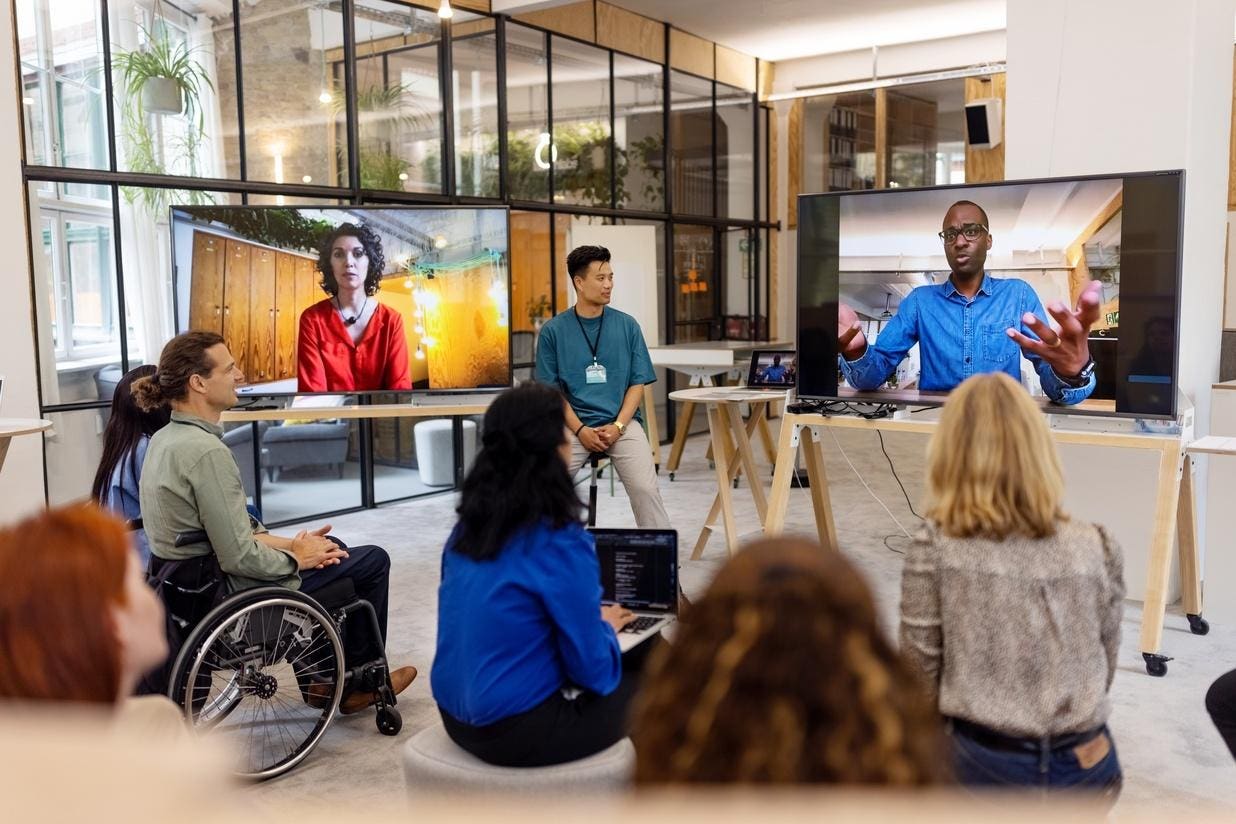
The shift to hybrid work—a mix of remote and in-office presence—has moved far beyond being a temporary policy. In 2025, it has solidified its position as the new standard, forcing organizations to fundamentally redefine what “culture” means. The days of culture being defined by happy hours and well-stocked kitchens are over; today’s successful organizational culture is built on intentionality, flexibility, and equitable access regardless of location.
The Pillars of the New Hybrid Culture
The best-performing hybrid organizations are prioritizing four key areas to ensure their culture thrives, not just survives, across physical and digital boundaries.
1. Intentional Communication Over Spontaneous Presence
In the traditional office, communication often relied on spontaneous hallway conversations and overhearing information. This casual, “presence-based” system is inherently unfair to remote employees.
-
The Change: Top organizations are adopting asynchronous communication practices. This means moving crucial discussions and decisions out of real-time meetings and into written, shared platforms (like Slack channels, project management software, or shared documents).
-
The Goal: To ensure that all team members, regardless of when or where they are working, have access to the same information, promoting transparency and equity. Leaders are now measured on their ability to document, not just delegate.
2. A Focus on Output, Not Hours
The visibility afforded by in-office work often rewarded employees for simply being present for long hours. Hybrid work has necessitated a crucial shift toward measuring results and impact.
-
The Change: Performance reviews and team meetings are increasingly centered on clear Key Performance Indicators (KPIs) and measurable project milestones, rather than activity logs. Trust is the baseline expectation, not a reward.
-
The Goal: To create a culture of autonomy and ownership. This appeals to top talent who value flexibility and the ability to manage their own workflows, fostering a more mature, results-oriented relationship between employer and employee.
3. Bridging the Digital and Physical Divide
The biggest threat to hybrid culture is the potential for a two-tier system where in-office workers receive preferential treatment (promotions, mentorship) over their remote colleagues—a phenomenon known as proximity bias.
-
The Change: Meetings are now designed to be digital-first, even if half the team is in the room. This means all meetings use video conferencing, every participant logs onto the call with their own laptop, and the camera is utilized to ensure equitable visibility for all.
-
The Goal: To ensure psychological safety and inclusion. Organizations are investing in technology to make the remote experience identical to the in-office experience, ensuring equal voice and visibility for all team members.
4. Redefining the Office as a Cultural Hub
In the hybrid model, the purpose of the physical office has changed from a place for routine, solitary work to a destination for high-value human connection.
-
The Change: Companies are actively remodeling spaces to prioritize collaboration, training, and socialization. In-office days are often reserved for team-building events, all-hands meetings, innovation workshops, or structured mentorship sessions—activities that are difficult to replicate virtually.
-
The Goal: To leverage the office for its highest cultural purpose: fostering belonging and shared identity. Attendance is driven by purpose and connection, not mandate.
The successful hybrid organizational culture of 2025 is not defined by where work happens, but by how intentionally leaders manage communication, measure performance, and facilitate connection across all touchpoints. For businesses looking to attract and retain the best talent, adapting to these new cultural demands is no longer optional—it is a competitive necessity.


Portable Benefits Could Fix the Gig Economy’s Biggest Problem

Ethical Reasoning Has Become a Core Workplace Skill and Training Programs Are Missing It

Stakeholder Pressure on CEOs Has Reached a Breaking Point

Identity Resilience at Work and Why It Matters More Than Grit

The Revenge of Middle Management and Why Organizations Should Pay Attention

First-Generation Professionals Face a Different Workplace and Nobody Prepares Them for It

Small Business Survival in Underserved Communities Needs More Than Microloans

Aging Populations are Reshaping Labor Markets Faster Than Policy Can Respond

How Emotional Intelligence Can Help You Manage Stress and Build Resilience

Interview with Dr. Kristy K. Taylor, WORxK Global News Magazine Founder

Sarah Herrlinger Talks AirPods Pro Hearing Aid

Unlocking Human Potential: Kim Groshek’s Journey to Transforming Leadership and Stress Resilience

NetWork Your Way to Success: Top Tips for Maximizing Your Professional Network

The Power of Belonging: Why Feeling Accepted Matters in the Workplace

Health-care stocks fall after Warren PBM bill, Brian Thompson shooting

Glenda Benevides: Creating Global Impact Through Music
-
 Resiliency1 year ago
How Emotional Intelligence Can Help You Manage Stress and Build Resilience
-
 Career Advice2 years ago
Interview with Dr. Kristy K. Taylor, WORxK Global News Magazine Founder
-
 Diversity and Inclusion (DEIA)2 years ago
Sarah Herrlinger Talks AirPods Pro Hearing Aid
-
 Changemaker Interviews2 years ago
Unlocking Human Potential: Kim Groshek’s Journey to Transforming Leadership and Stress Resilience
-
 Career Advice2 years ago
NetWork Your Way to Success: Top Tips for Maximizing Your Professional Network
-
 Diversity and Inclusion (DEIA)2 years ago
The Power of Belonging: Why Feeling Accepted Matters in the Workplace
-
 Global Trends and Politics2 years ago
Health-care stocks fall after Warren PBM bill, Brian Thompson shooting
-
 Changemaker Interviews2 years ago
Glenda Benevides: Creating Global Impact Through Music