
Innovation and Technology
The Race To Develop Self-Directed AI Systems Capable Of Scaling Without Human Oversight

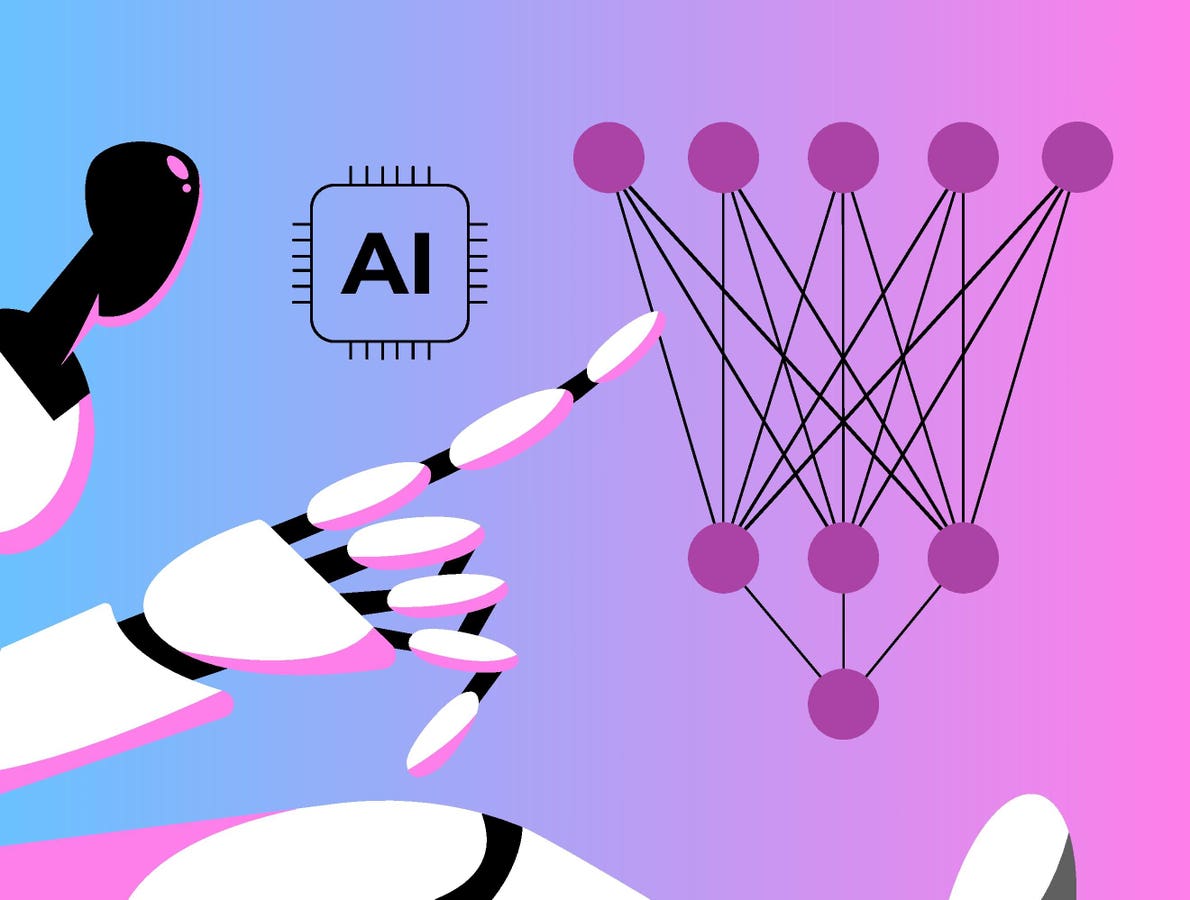
The development of artificial intelligence (AI) is rapidly advancing, with a growing focus on creating autonomous, self-improving systems. This shift is driven by the need for massive scale and efficiency, without sacrificing human control. As researchers and startups push the boundaries of AI, the goal is to unlock a new frontier of innovation, speed, and scalability.
The Rise of Autonomous AI Systems
Nations and corporations are investing heavily in the development of largely autonomous AI systems that can plan, act, learn, and scale with minimal human intervention. This is not just about incremental efficiency gains; it’s about revolutionizing the way businesses operate and innovate. An autonomous digital workforce that can perform tasks without human oversight is becoming a reality, and it’s poised to transform industries and economies.
Traditional AI tools, such as chatbots and predictive analytics, excel in narrow tasks with human supervision. However, in a fast-moving business environment, many needs are dynamic, cross-functional, and require decision-making across systems. This is where “agentic AI” or “autonomous AI agents” come in – systems that combine autonomy, adaptability, and goal-orientation to raise the abstraction level.
Key Traits of Autonomous AI Agents
Autonomous AI agents possess three key traits: autonomy, adaptability, and goal-orientation. They can act without step-by-step human instructions, learn from feedback and adjust their behavior, and reason about how to accomplish broader objectives. For example, instead of instructing “write an email,” you might ask an AI agent to “generate and send outreach to qualified leads this month,” and the agent handles it – writing copy, pulling data, and even scheduling follow-up.
This level of autonomy and adaptability enables organizations to scale operations or innovation far beyond what traditional headcount-based growth allows. It’s not just about automating repetitive tasks; it’s about rearchitecting workflows so that AI agents can operate as flexible, scalable digital workers across business and creative domains.
Real-World Examples of Autonomous AI
Several companies are already building this future, including Artisan AI, which builds autonomous “AI employees” for routine business operations, and Maisa AI, which lets non-technical teams build and deploy “digital workers” through natural language. AutoGPT, an open-source precursor, accepts high-level goals from users and breaks them into sub-tasks, executing tool calls, web browsing, file management, and more – all autonomously.
These efforts demonstrate the clear capabilities to rearchitect workflows so that AI agents can operate as flexible, scalable digital workers across business and creative domains. They show that we are not simply automating repetitive tasks; we are creating a new generation of autonomous AI systems that can transform industries and economies.
The Future of Autonomous AI
As we look to the future, we can expect to see three major shifts: the proliferation of “digital employees” across industries, the maturing of agent-governance and safety ecosystems, and the emergence of hybrid human-AI teams. Small-to-medium sized enterprises will particularly benefit from autonomous AI, scaling capabilities without large headcounts.
Standards like the LOKA Protocol will gain traction, and enterprises will adopt internal “agent governance” teams, combining compliance, security, identity, and oversight. Humans will focus on strategy, oversight, and nuance, while AI agents handle bulk operations. Self-improving AI could accelerate internal innovation cycles, refining codebases or workflows autonomously and discovering optimizations humans might never catch.
A New Frontier for Innovation and Growth
The long-term promise of autonomous AI is a fundamental redefinition of organizational scale. Firms will be capable of doing more with fewer people, growing faster, pivoting more nimbly, and innovating continuously. With the road toward true self-directed AI systems advancing at a stunning pace, the potential benefits and drawbacks become increasingly noteworthy.
As stakeholders ensure that these tools are developed and implemented in a responsible way, they can ensure that AI reaches its positive potential, enabling new development, growth, and competition in industries. The future of autonomous AI is exciting and uncertain, but one thing is clear: it has the potential to transform the way we live and work, and it’s an area that will continue to evolve and improve in the years to come.




Portable Benefits Could Fix the Gig Economy’s Biggest Problem

Ethical Reasoning Has Become a Core Workplace Skill and Training Programs Are Missing It

Stakeholder Pressure on CEOs Has Reached a Breaking Point

Identity Resilience at Work and Why It Matters More Than Grit

The Revenge of Middle Management and Why Organizations Should Pay Attention

First-Generation Professionals Face a Different Workplace and Nobody Prepares Them for It

Small Business Survival in Underserved Communities Needs More Than Microloans

Aging Populations are Reshaping Labor Markets Faster Than Policy Can Respond

How Emotional Intelligence Can Help You Manage Stress and Build Resilience

Interview with Dr. Kristy K. Taylor, WORxK Global News Magazine Founder

Sarah Herrlinger Talks AirPods Pro Hearing Aid

Unlocking Human Potential: Kim Groshek’s Journey to Transforming Leadership and Stress Resilience

NetWork Your Way to Success: Top Tips for Maximizing Your Professional Network

The Power of Belonging: Why Feeling Accepted Matters in the Workplace

Health-care stocks fall after Warren PBM bill, Brian Thompson shooting

Glenda Benevides: Creating Global Impact Through Music
-
 Resiliency1 year ago
How Emotional Intelligence Can Help You Manage Stress and Build Resilience
-
 Career Advice2 years ago
Interview with Dr. Kristy K. Taylor, WORxK Global News Magazine Founder
-
 Diversity and Inclusion (DEIA)2 years ago
Sarah Herrlinger Talks AirPods Pro Hearing Aid
-
 Changemaker Interviews2 years ago
Unlocking Human Potential: Kim Groshek’s Journey to Transforming Leadership and Stress Resilience
-
 Career Advice2 years ago
NetWork Your Way to Success: Top Tips for Maximizing Your Professional Network
-
 Diversity and Inclusion (DEIA)2 years ago
The Power of Belonging: Why Feeling Accepted Matters in the Workplace
-
 Global Trends and Politics2 years ago
Health-care stocks fall after Warren PBM bill, Brian Thompson shooting
-
 Changemaker Interviews2 years ago
Glenda Benevides: Creating Global Impact Through Music