
Global Trends and Politics
How Build-A-Bear went from a penny stock to a retail winner

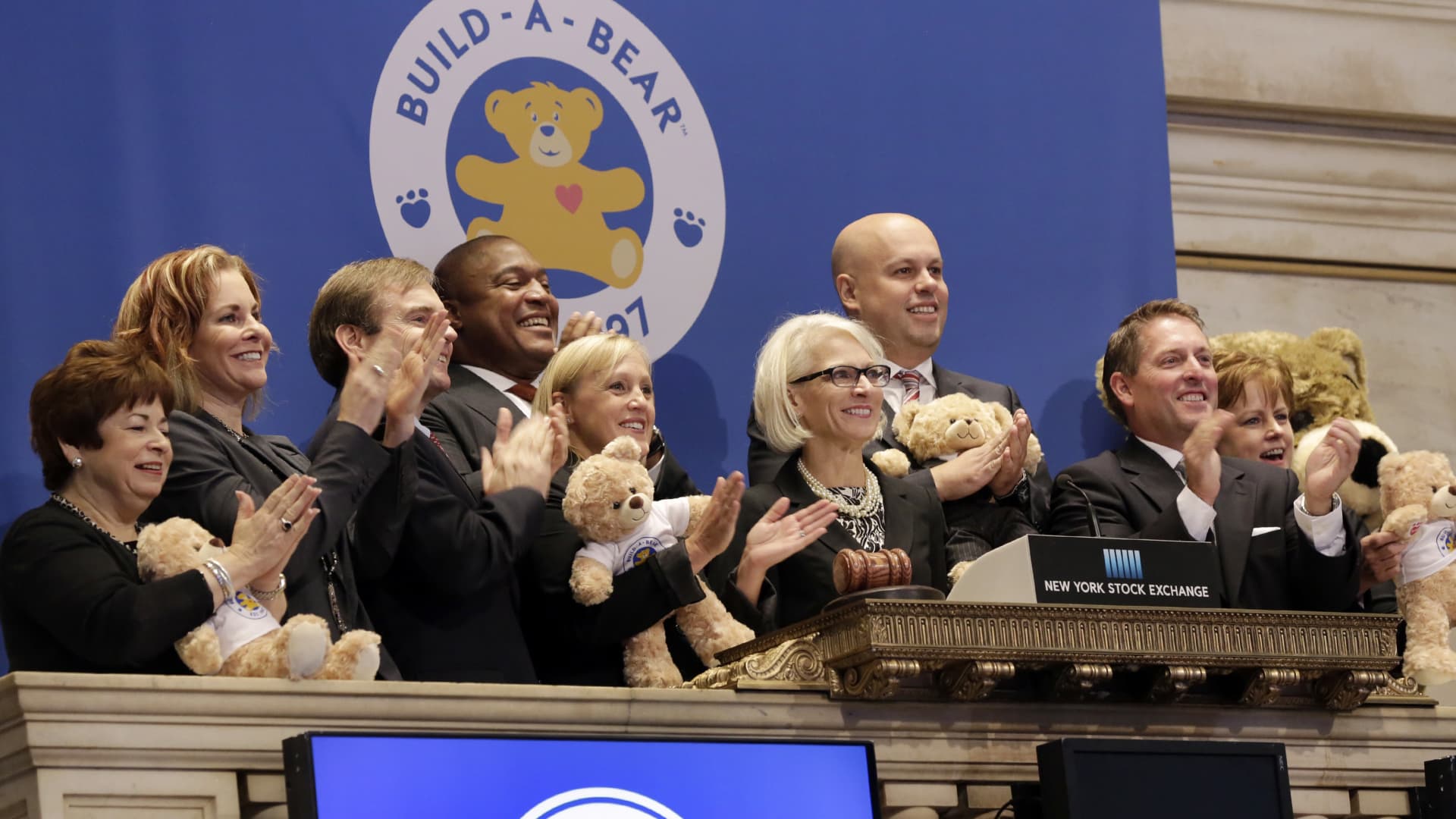
From Struggling Retailer to Success Story: The Build-A-Bear Workshop Turnaround
Build-A-Bear Workshop, the beloved toy store where kids can build and customize their own stuffed animals, has undergone a remarkable transformation since CEO Sharon Price John took the reins in 2013. At the time, the company was facing significant challenges, including a $49 million loss in fiscal 2012, which had sent its stock plummeting. However, under Price John’s leadership, Build-A-Bear has managed to turn its fortunes around, with a focus on e-commerce, diversifying its sales channels, and creating a unique, interactive experience for customers.
A Broken Business, Not a Broken Brand
When Price John first joined the company, she recognized that the brand itself was still strong, but the business model was in need of repair. By investing in e-commerce and shifting orders to stores instead of its distribution center, Build-A-Bear was able to streamline its operations and improve efficiency. The company also expanded its sales beyond malls, exploring new channels and partnerships to reach a wider audience. This strategic shift has paid off, with virtually all of Build-A-Bear’s stores now operating profitably.
The results have been impressive, with the company’s stock experiencing a significant surge in recent years, reaching an all-time high of around $76 in September. While the stock has since come down slightly, it remains up over 125% over the past two years. Build-A-Bear is on track to reach $500 million in annual revenue for the first time, a testament to the success of its turnaround strategy.
Challenges Ahead: Tariffs and Market Volatility
Despite its success, Build-A-Bear is not immune to external challenges. The company imports over 90% of its products from China and Vietnam, making it vulnerable to tariffs. In its third-quarter earnings report, Build-A-Bear estimated that it would take a roughly $11 million hit from tariffs in fiscal 2025. Additionally, the company experienced a slowdown in traffic in October during the government shutdown, which had a negative impact on sales.
Analysts have taken note of these challenges, with Small Cap Consumer Research analyst Eric Beder lowering his projections and reducing his price target for the company. However, Beder still believes that Build-A-Bear has a unique advantage in the market, thanks to its interactive, experiential approach to retail. As he notes, “You can buy stuffed animals or a plush pretty much everywhere, but at Build-A-Bear, it’s yours. You helped make it.”
As the retail landscape continues to evolve, Build-A-Bear Workshop’s story serves as a reminder that even struggling companies can turn things around with the right strategy and leadership. By focusing on its strengths and adapting to changing market conditions, Build-A-Bear has managed to thrive in a crowded and competitive industry.


Portable Benefits Could Fix the Gig Economy’s Biggest Problem

Ethical Reasoning Has Become a Core Workplace Skill and Training Programs Are Missing It

Stakeholder Pressure on CEOs Has Reached a Breaking Point

Identity Resilience at Work and Why It Matters More Than Grit

The Revenge of Middle Management and Why Organizations Should Pay Attention

First-Generation Professionals Face a Different Workplace and Nobody Prepares Them for It

Small Business Survival in Underserved Communities Needs More Than Microloans

Aging Populations are Reshaping Labor Markets Faster Than Policy Can Respond

How Emotional Intelligence Can Help You Manage Stress and Build Resilience

Interview with Dr. Kristy K. Taylor, WORxK Global News Magazine Founder

Sarah Herrlinger Talks AirPods Pro Hearing Aid

Unlocking Human Potential: Kim Groshek’s Journey to Transforming Leadership and Stress Resilience

NetWork Your Way to Success: Top Tips for Maximizing Your Professional Network

The Power of Belonging: Why Feeling Accepted Matters in the Workplace

Health-care stocks fall after Warren PBM bill, Brian Thompson shooting

Glenda Benevides: Creating Global Impact Through Music
-
 Resiliency1 year ago
How Emotional Intelligence Can Help You Manage Stress and Build Resilience
-
 Career Advice2 years ago
Interview with Dr. Kristy K. Taylor, WORxK Global News Magazine Founder
-
 Diversity and Inclusion (DEIA)2 years ago
Sarah Herrlinger Talks AirPods Pro Hearing Aid
-
 Changemaker Interviews2 years ago
Unlocking Human Potential: Kim Groshek’s Journey to Transforming Leadership and Stress Resilience
-
 Career Advice2 years ago
NetWork Your Way to Success: Top Tips for Maximizing Your Professional Network
-
 Diversity and Inclusion (DEIA)2 years ago
The Power of Belonging: Why Feeling Accepted Matters in the Workplace
-
 Global Trends and Politics2 years ago
Health-care stocks fall after Warren PBM bill, Brian Thompson shooting
-
 Changemaker Interviews2 years ago
Glenda Benevides: Creating Global Impact Through Music