
Global Trends and Politics
Visa says holiday spending rose 4.2% via AI, tech and apparel growth

Holiday Retail Spending Sees 4.2% Year-Over-Year Increase
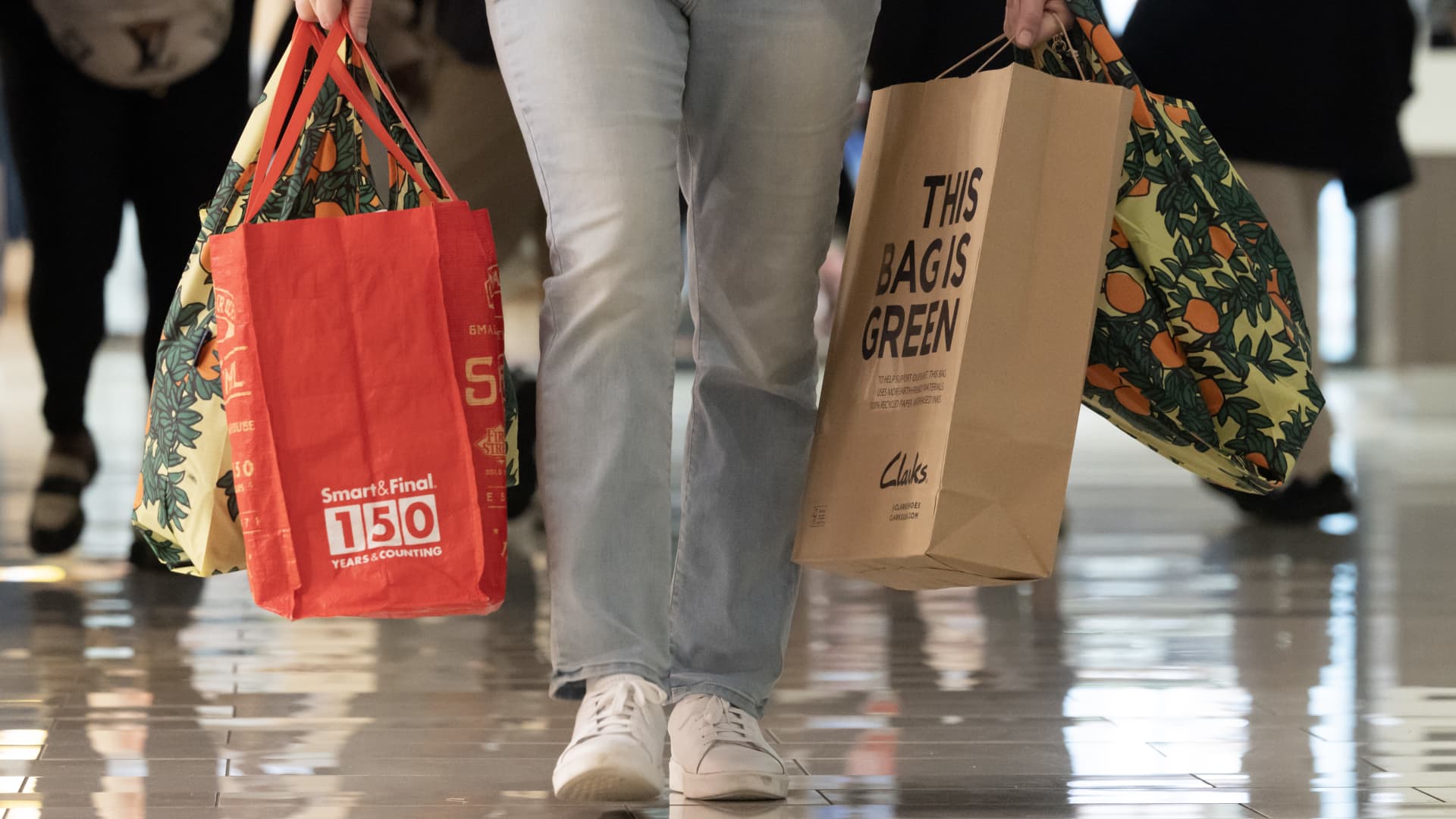
Despite ongoing economic uncertainty, U.S. consumers demonstrated resilience during the 2025 holiday season, driving retail spending up 4.2% year over year, according to preliminary data from Visa Consulting and Analytics. This uptick in spending was largely driven by purchases of technology and personal goods, indicating a shift in consumer priorities.
The findings, which tracked payments activity over a seven-week period starting November 1, excluded spending on automotive, gasoline, and restaurants. Notably, the figures were not adjusted for inflation, which may impact the actual volume growth. In-store shopping accounted for the bulk of holiday spending, capturing 73% of total retail payment volume, while online purchases made up 27%.
E-Commerce Growth and Consumer Behavior
E-commerce was the primary driver of growth, with online sales rising 7.8% compared to the previous year. This surge reflects continued demand for convenience and early-season promotions. Michael Brown, principal U.S. economist at Visa, noted that consumer spending is holding up reasonably well despite softer consumer confidence and concerns about inflation.
Brown highlighted the growing influence of artificial intelligence in consumer behavior, citing its use in comparison shopping and finding products. Roughly half of the consumers surveyed plan to leverage AI for these tasks, marking a distinct shift in holiday shopping habits. The breakdown of spending categories reveals a shift toward personal goods and convenience, with electronics emerging as the top-performing category, driven by a refresh cycle fueled by high-performance devices in the AI era.
Category Performance and Consumer Priorities
Apparel and accessories posted strong numbers, rising 5.3%, while general merchandise stores saw a 3.7% lift. Conversely, the home improvement sector struggled, with spending on building materials and garden equipment falling 1%. This decline suggests that consumers prioritized gift-giving and gadgets over home maintenance as the year closed out. Furniture and home furnishings remained essentially flat, with a modest 0.8% gain.
While the headline number is positive for the retail sector, the lack of inflation adjustment means that real volume growth will likely be more modest. Currently, real spending growth adjusted for inflation is up about 2.2% this season, which Brown notes is not too bad considering the uncertainty this year. The consumer is uncertain and cautious but also smart about how they’re spending their money.
Disconnect Between Sentiment and Action
Visa’s numbers also point to a disconnect between sentiment and action this season. According to the CNBC All-America Economic Survey, 41% of Americans said they planned to spend less for the holidays this year, 6 points higher than a year ago. The survey found that the high cost of goods was a major factor in determining how much shoppers spend and where they spend, suggesting that years-long inflation and the rise in import goods prices from tariffs are being felt at checkout.


Portable Benefits Could Fix the Gig Economy’s Biggest Problem

Ethical Reasoning Has Become a Core Workplace Skill and Training Programs Are Missing It

Stakeholder Pressure on CEOs Has Reached a Breaking Point

Identity Resilience at Work and Why It Matters More Than Grit

The Revenge of Middle Management and Why Organizations Should Pay Attention

First-Generation Professionals Face a Different Workplace and Nobody Prepares Them for It

Small Business Survival in Underserved Communities Needs More Than Microloans

Aging Populations are Reshaping Labor Markets Faster Than Policy Can Respond

How Emotional Intelligence Can Help You Manage Stress and Build Resilience

Interview with Dr. Kristy K. Taylor, WORxK Global News Magazine Founder

Sarah Herrlinger Talks AirPods Pro Hearing Aid

Unlocking Human Potential: Kim Groshek’s Journey to Transforming Leadership and Stress Resilience

NetWork Your Way to Success: Top Tips for Maximizing Your Professional Network

The Power of Belonging: Why Feeling Accepted Matters in the Workplace

Health-care stocks fall after Warren PBM bill, Brian Thompson shooting

Glenda Benevides: Creating Global Impact Through Music
-
 Resiliency1 year ago
How Emotional Intelligence Can Help You Manage Stress and Build Resilience
-
 Career Advice2 years ago
Interview with Dr. Kristy K. Taylor, WORxK Global News Magazine Founder
-
 Diversity and Inclusion (DEIA)2 years ago
Sarah Herrlinger Talks AirPods Pro Hearing Aid
-
 Changemaker Interviews2 years ago
Unlocking Human Potential: Kim Groshek’s Journey to Transforming Leadership and Stress Resilience
-
 Career Advice2 years ago
NetWork Your Way to Success: Top Tips for Maximizing Your Professional Network
-
 Diversity and Inclusion (DEIA)2 years ago
The Power of Belonging: Why Feeling Accepted Matters in the Workplace
-
 Global Trends and Politics2 years ago
Health-care stocks fall after Warren PBM bill, Brian Thompson shooting
-
 Changemaker Interviews2 years ago
Glenda Benevides: Creating Global Impact Through Music