
Innovation and Technology
Immigration Lawsuit Filed To Protect H-1B Spouses

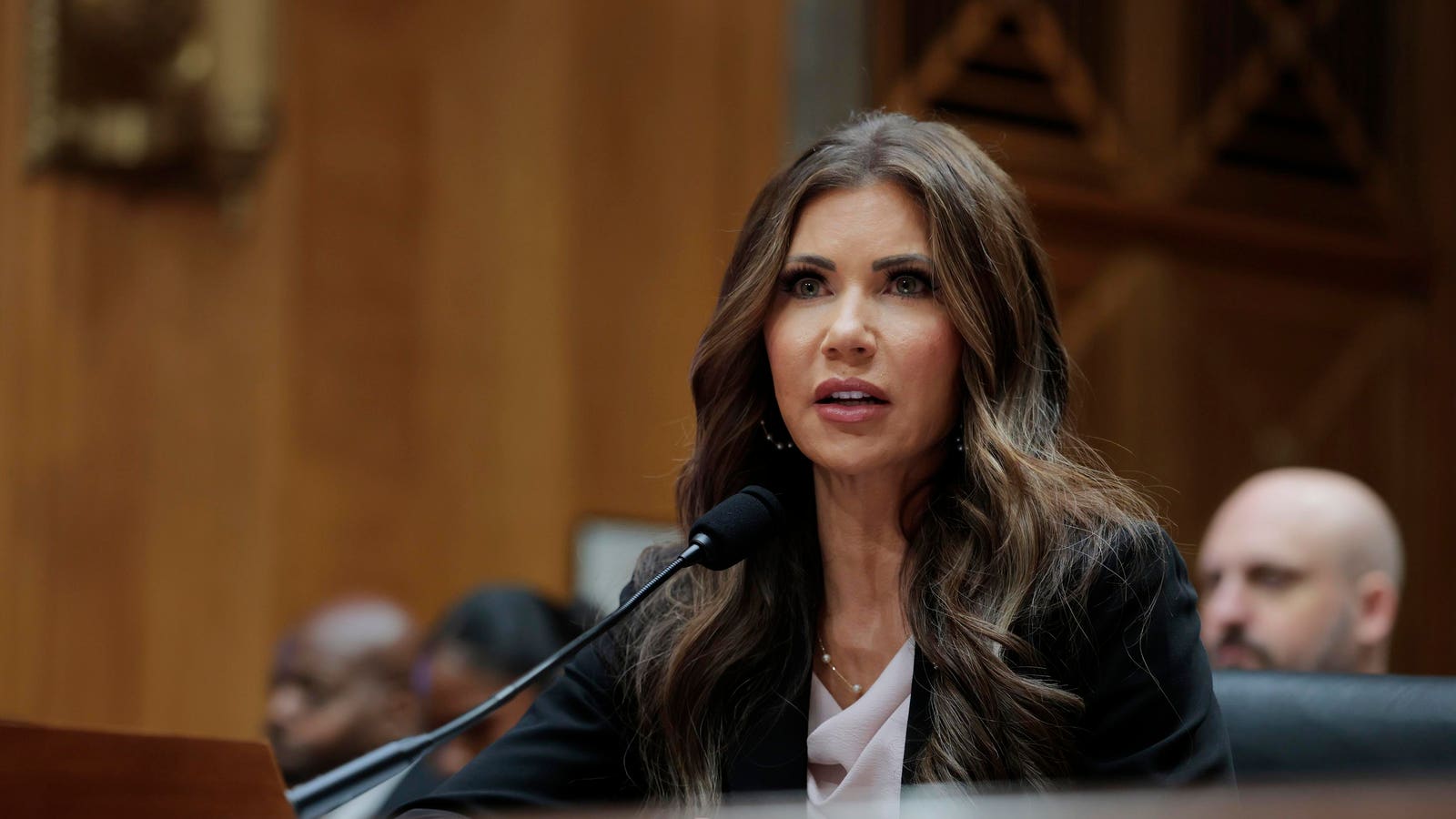
A new immigration lawsuit is seeking to protect the spouses of H-1B visa holders who are likely to lose their work authorization due to a recent federal rule change. The rule, which was introduced by the Department of Homeland Security (DHS), eliminates the automatic extension of employment authorization documents, potentially leading to significant delays in processing times. This change could have far-reaching consequences, including the removal of workers from payroll and a reduction in the labor supply.
The H-1B visa program allows U.S. employers to temporarily hire foreign workers in specialty occupations, such as technology, engineering, and healthcare. The spouses of these visa holders, who are on H-4 visas, are also allowed to work in the United States. However, the new rule could leave them without employment authorization, causing significant disruptions to their lives and careers. The lawsuit, which was filed on behalf of seven dependent spouses of H-1B visa holders, alleges that the DHS rule is unlawful and should be vacated.
Background on the H-1B Visa Program and Employment Authorization
The H-1B visa program is a non-immigrant visa that allows U.S. employers to hire foreign workers in specialty occupations. The program is popular among tech companies, which use it to hire skilled workers from around the world. The spouses of H-1B visa holders are allowed to work in the United States on an H-4 visa, but they must obtain employment authorization documents (EADs) to do so. The EAD is a document that allows a non-citizen to work in the United States, and it is typically valid for a period of one to two years.
In 2022, the Biden administration introduced a rule that allowed for the automatic extension of EADs for up to 540 days, in an effort to address long processing delays. However, the new DHS rule overturns this regulation, potentially leaving thousands of H-4 visa holders without work authorization. The lawsuit argues that this rule change is arbitrary and capricious, and that it will cause significant harm to the U.S. economy.
The Lawsuit Against the DHS Rule
The lawsuit, which was filed in the U.S. District Court for the Central District of California, alleges that the DHS rule is unlawful and should be vacated. The plaintiffs argue that the rule was introduced without proper notice and comment, and that it is not supported by sufficient evidence. They also argue that the rule will cause significant harm to the U.S. economy, as the spouses of H-1B visa holders are often highly educated and skilled workers who contribute to the workforce.
The lawsuit also argues that the DHS rule is part of a broader effort by the Trump administration to restrict immigration and reduce the labor supply. The plaintiffs point to other recent actions, such as the imposition of a $100,000 fee on the entry of new H-1B visa holders, as evidence of this effort. They argue that these policies are misguided and will ultimately harm the U.S. economy, which relies heavily on immigrant workers to fill labor gaps.
Implications of the DHS Rule
The implications of the DHS rule are far-reaching and significant. If the rule is allowed to stand, it could lead to the removal of thousands of skilled workers from the U.S. workforce, causing significant disruptions to industries such as tech and healthcare. It could also lead to a reduction in the labor supply, which could have negative consequences for the U.S. economy as a whole.
The lawsuit is ongoing, and it is unclear how the court will rule. However, the outcome of the case will have significant implications for the future of immigration policy in the United States, and could potentially impact the lives of thousands of immigrant workers and their families. As the case moves forward, it will be important to monitor developments and consider the potential consequences of the DHS rule for the U.S. economy and society as a whole.




Portable Benefits Could Fix the Gig Economy’s Biggest Problem

Ethical Reasoning Has Become a Core Workplace Skill and Training Programs Are Missing It

Stakeholder Pressure on CEOs Has Reached a Breaking Point

Identity Resilience at Work and Why It Matters More Than Grit

The Revenge of Middle Management and Why Organizations Should Pay Attention

First-Generation Professionals Face a Different Workplace and Nobody Prepares Them for It

Small Business Survival in Underserved Communities Needs More Than Microloans

Aging Populations are Reshaping Labor Markets Faster Than Policy Can Respond

How Emotional Intelligence Can Help You Manage Stress and Build Resilience

Interview with Dr. Kristy K. Taylor, WORxK Global News Magazine Founder

Sarah Herrlinger Talks AirPods Pro Hearing Aid

Unlocking Human Potential: Kim Groshek’s Journey to Transforming Leadership and Stress Resilience

NetWork Your Way to Success: Top Tips for Maximizing Your Professional Network

The Power of Belonging: Why Feeling Accepted Matters in the Workplace

Health-care stocks fall after Warren PBM bill, Brian Thompson shooting

Glenda Benevides: Creating Global Impact Through Music
-
 Resiliency1 year ago
How Emotional Intelligence Can Help You Manage Stress and Build Resilience
-
 Career Advice2 years ago
Interview with Dr. Kristy K. Taylor, WORxK Global News Magazine Founder
-
 Diversity and Inclusion (DEIA)2 years ago
Sarah Herrlinger Talks AirPods Pro Hearing Aid
-
 Changemaker Interviews2 years ago
Unlocking Human Potential: Kim Groshek’s Journey to Transforming Leadership and Stress Resilience
-
 Career Advice2 years ago
NetWork Your Way to Success: Top Tips for Maximizing Your Professional Network
-
 Diversity and Inclusion (DEIA)2 years ago
The Power of Belonging: Why Feeling Accepted Matters in the Workplace
-
 Global Trends and Politics2 years ago
Health-care stocks fall after Warren PBM bill, Brian Thompson shooting
-
 Changemaker Interviews2 years ago
Glenda Benevides: Creating Global Impact Through Music