
Global Trends and Politics
Auto execs are hoping for the best and planning for the worst in 2026

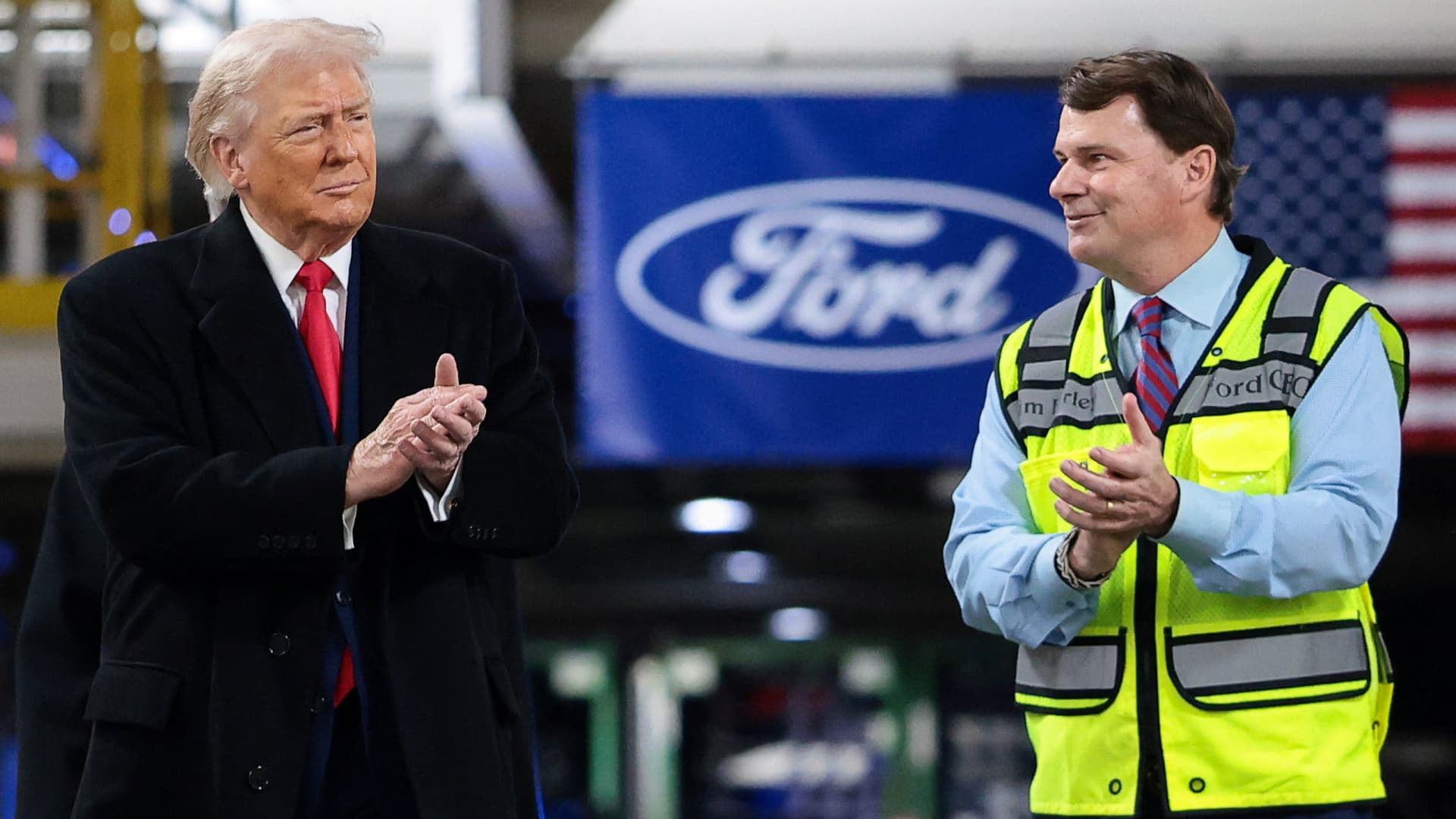
The US automotive industry has been marked by inconsistency in the first half of the decade, and this trend is expected to continue in 2026 due to challenging market conditions. The industry, which accounts for approximately 4.8% of America’s gross domestic product, has faced numerous crises since the Covid-19 pandemic, including supply chain issues, semiconductor chip shortages, and political uncertainties.
Despite these challenges, automakers have shown resilience, but they are now facing more traditional industry problems such as affordability and slowing consumer demand. Hyundai North America CEO Randy Parker noted that the situation requires planning for the worst while hoping for the best. Other executives have expressed similar sentiments, preparing for a “new” US automotive industry that is more expensive, smaller, and less predictable.
Challenges Facing the Industry
A significant issue affecting the industry is the affordability of new vehicles. The average transaction price of new vehicles has increased by 30% since 2020, reaching around $50,000. This rise is attributed to pandemic-induced production constraints and supply chain chaos, which have restructured pricing dynamics. As a result, the market has become anchored at these higher price points, making it challenging for consumers to afford new vehicles.
In addition to vehicle prices, consumers are also dealing with inflation, increases in maintenance and repairs, and rising insurance costs. The cumulative effect of these increases has pushed total vehicle ownership costs beyond the reach of many middle- and lower-income households, constraining market access and accelerating the affordability crisis. Cox Automotive reports that it now takes 36.3 weeks of median household income to buy the average new vehicle, down from a record high of 42.2 weeks during the pandemic but still significantly higher than historic levels.
Industry Response
To combat slower sales and affordability challenges, automakers are refocusing on lower-priced vehicle models. Toyota and other manufacturers have announced plans to increase production of less expensive trims and focus on certified pre-owned vehicles. Ford CEO Jim Farley suggested that the company may reenter abandoned segments, such as sedans, to improve competitiveness and profitability.
Automakers are also bracing for potentially volatile US regulations and trade negotiations, including the renegotiation of the United States-Mexico-Canada Agreement. The outcome of these discussions could impact the industry, with US-based production potentially benefiting from more favorable trade terms. Wall Street analysts expect mixed results for the US industry, with some predicting a difficult time for automakers to outperform due to flat volume outlooks.
Outlook for 2026
As the industry navigates these challenges, GM CEO Mary Barra has expressed optimism, reconfirming that 2026 is expected to be better than 2025. However, analysts caution that the industry is prepared for surprises, impairments, and strategic shifts. The first outlooks from automakers are expected this week, with GM announcing its fourth-quarter and year-end earnings, followed by Tesla’s announcement.
Ultimately, the US automotive industry is facing a complex and uncertain landscape in 2026. While automakers have shown resilience in the face of challenges, they must adapt to changing market conditions, regulatory uncertainties, and shifting consumer demands to remain competitive. As the industry continues to evolve, it is essential for manufacturers to prioritize affordability, innovation, and strategic planning to navigate the challenges ahead.


Portable Benefits Could Fix the Gig Economy’s Biggest Problem

Ethical Reasoning Has Become a Core Workplace Skill and Training Programs Are Missing It

Stakeholder Pressure on CEOs Has Reached a Breaking Point

Identity Resilience at Work and Why It Matters More Than Grit

The Revenge of Middle Management and Why Organizations Should Pay Attention

First-Generation Professionals Face a Different Workplace and Nobody Prepares Them for It

Small Business Survival in Underserved Communities Needs More Than Microloans

Aging Populations are Reshaping Labor Markets Faster Than Policy Can Respond

How Emotional Intelligence Can Help You Manage Stress and Build Resilience

Interview with Dr. Kristy K. Taylor, WORxK Global News Magazine Founder

Sarah Herrlinger Talks AirPods Pro Hearing Aid

Unlocking Human Potential: Kim Groshek’s Journey to Transforming Leadership and Stress Resilience

NetWork Your Way to Success: Top Tips for Maximizing Your Professional Network

The Power of Belonging: Why Feeling Accepted Matters in the Workplace

Health-care stocks fall after Warren PBM bill, Brian Thompson shooting

Glenda Benevides: Creating Global Impact Through Music
-
 Resiliency1 year ago
How Emotional Intelligence Can Help You Manage Stress and Build Resilience
-
 Career Advice2 years ago
Interview with Dr. Kristy K. Taylor, WORxK Global News Magazine Founder
-
 Diversity and Inclusion (DEIA)2 years ago
Sarah Herrlinger Talks AirPods Pro Hearing Aid
-
 Changemaker Interviews2 years ago
Unlocking Human Potential: Kim Groshek’s Journey to Transforming Leadership and Stress Resilience
-
 Career Advice2 years ago
NetWork Your Way to Success: Top Tips for Maximizing Your Professional Network
-
 Diversity and Inclusion (DEIA)2 years ago
The Power of Belonging: Why Feeling Accepted Matters in the Workplace
-
 Global Trends and Politics2 years ago
Health-care stocks fall after Warren PBM bill, Brian Thompson shooting
-
 Changemaker Interviews2 years ago
Glenda Benevides: Creating Global Impact Through Music