
Diversity and Inclusion (DEIA)
Neurodiversity in the Workplace: Implementing Sensory-Friendly Office Standards

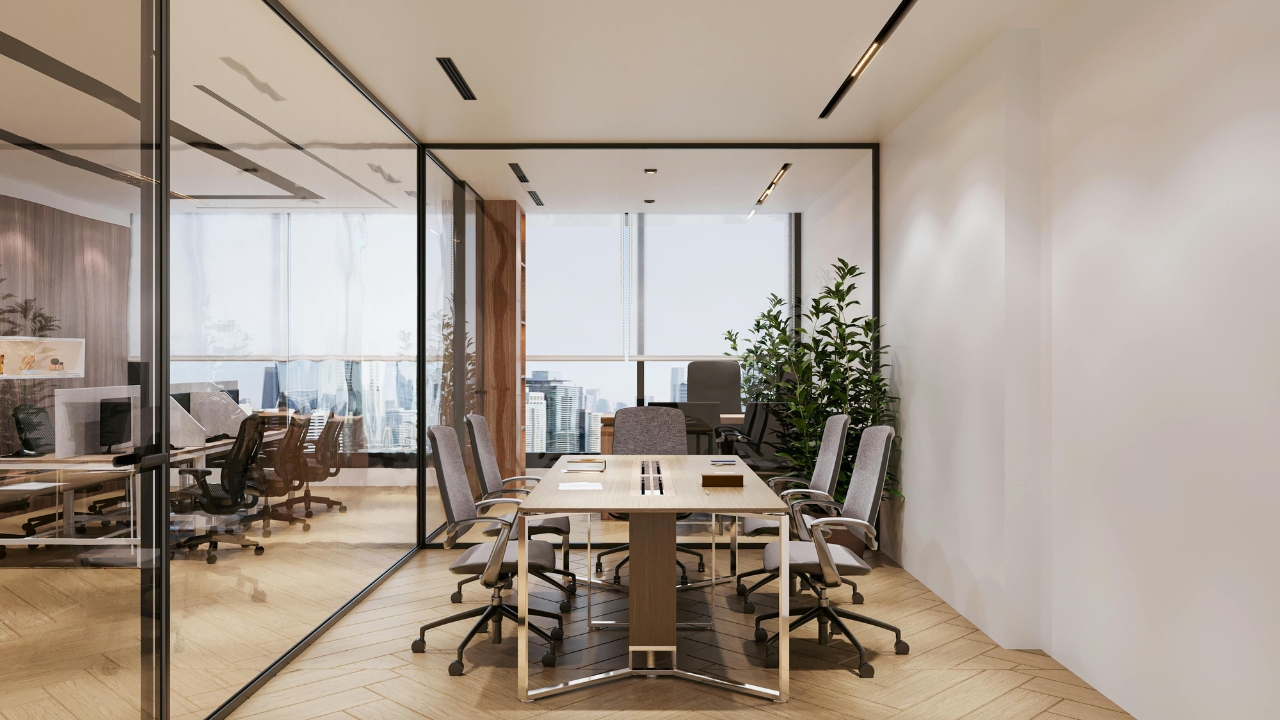
Organizations are currently re-evaluating physical and digital work environments to better accommodate neurodivergent professionals, including those with autism, ADHD, and dyslexia. While many diversity initiatives focus on recruitment, the emphasis is now shifting toward retention through environmental design. By recognizing that sensory processing varies across the workforce, companies are implementing “Sensory-Friendly Standards” that reduce cognitive fatigue and improve focus for all employees. These practical adjustments move beyond general accommodations, turning the office into a tool for cognitive performance rather than a source of distraction.
The Impact of Sensory Overload on Productivity
In many modern office layouts, the prevalence of open-plan designs, fluorescent lighting, and constant auditory interruptions creates a high-stimulation environment. For neurodivergent individuals, these factors can trigger sensory overload, making it difficult to process information or maintain concentration on complex tasks. When the brain is forced to spend significant energy filtering out background noise or visual clutter, it has fewer resources available for technical problem-solving.
Implementing sensory-friendly standards is a move toward “Universal Design.” These changes do not just benefit a specific group; they create a more controlled and professional atmosphere for the entire team. A quiet, well-organized workspace reduces stress levels and minimizes the “context-switching” costs that occur when a worker is repeatedly interrupted by environmental stimuli.
Designing Low-Stimulus Zones
A primary strategy for sensory inclusion is the designation of low-stimulus zones. These are specific areas within an office or facility where the environmental variables are strictly controlled. Unlike a standard breakroom, these zones are designed for deep work.
Key features of low-stimulus zones include:
-
Controlled Lighting: Replacing overhead fluorescent fixtures with adjustable, indirect LED lighting or natural light filters to reduce glare and flicker.
-
Acoustic Management: Using sound-absorbing materials, such as felt panels or acoustic baffles, to dampen the travel of voices and mechanical noise.
-
Visual Neutrality: Reducing wall clutter and using a neutral color palette to minimize visual distractions in the line of sight.
By providing these spaces, an organization allows its professionals to choose the environment that best matches their current cognitive needs. This autonomy is a critical factor in maintaining high performance throughout the workday.
Digital Accessibility and Cognitive Load
Diversity and inclusion also extend to the digital workspace. The software tools and communication protocols a company uses can either facilitate or hinder cognitive accessibility. Professionals with ADHD or dyslexia, for instance, may struggle with high-frequency notifications or dense blocks of unformatted text.
To address this, teams are adopting “Asynchronous Communication Standards.” This practice involves moving away from constant instant messaging and toward structured, written updates. It allows employees to process information at their own pace and reduces the pressure of “instant response” culture, which is a major source of anxiety and distraction. Additionally, ensuring that internal documents use sans-serif fonts and high-contrast formatting makes information more accessible for those with visual processing differences.
Normalizing Individual Working Styles
A truly inclusive culture recognizes that the “standard” way of working does not fit every brain. Management teams are now utilizing “User Manuals for Employees”—short documents where team members outline their preferred communication styles, peak focus hours, and sensory triggers.
This transparency removes the guesswork from professional interactions. For example, an employee might state that they process information best when it is delivered in writing before a meeting, or that they use noise-canceling headphones as a signal for deep work. When these preferences are documented and respected, it reduces social friction and allows the team to collaborate more effectively. For a professional navigating a career pivot, being part of a culture that values these individual “operating instructions” makes the transition much smoother and less intimidating.
Sensory-Friendly Meeting Protocols
Meetings are often the most sensory-intensive part of the workday. High-reliability teams are implementing protocols to make these sessions more inclusive. This includes providing a clear agenda at least 24 hours in advance, allowing for “cameras-off” options during virtual calls to reduce visual fatigue, and scheduling built-in breaks for longer sessions.
These protocols ensure that everyone, regardless of their neurotype, has the opportunity to contribute. It prevents the “loudest voice” from dominating the conversation and ensures that those who need more time to process information can still provide their insights. This leads to better decision-making, as it incorporates a wider range of perspectives and avoids the pitfalls of groupthink.
Strengthening the Talent Pipeline through Inclusion
As industries compete for specialized technical talent, the ability to support a neurodiverse workforce is a significant competitive advantage. Many neurodivergent professionals possess high levels of pattern recognition, attention to detail, and creative problem-solving skills. However, these skills can only be fully utilized if the environment does not actively work against them.
By institutionalizing sensory-friendly standards, organizations signal that they value cognitive diversity. This reputation helps attract high-caliber candidates who might otherwise avoid traditional corporate settings. It turns the workplace into a resilient ecosystem where different types of intelligence are not just tolerated, but are strategically integrated into the company’s success.
Building a More Considerate Professional Environment
The shift toward sensory-friendly offices represents a maturing of the diversity and inclusion movement. It moves beyond high-level representation to address the day-to-day reality of how people work. By focusing on the physical and digital environment, companies are creating a more sustainable and humane workplace.
For the modern leader, the goal is to create a “frictionless” environment where every employee can perform their best work. Whether it is through adjusting the lighting or refining communication protocols, these practical steps build a culture of respect and high performance. In the end, a workplace that is better for neurodivergent professionals is a workplace that is better for everyone.


Portable Benefits Could Fix the Gig Economy’s Biggest Problem

Ethical Reasoning Has Become a Core Workplace Skill and Training Programs Are Missing It

Stakeholder Pressure on CEOs Has Reached a Breaking Point

Identity Resilience at Work and Why It Matters More Than Grit

The Revenge of Middle Management and Why Organizations Should Pay Attention

First-Generation Professionals Face a Different Workplace and Nobody Prepares Them for It

Small Business Survival in Underserved Communities Needs More Than Microloans

Aging Populations are Reshaping Labor Markets Faster Than Policy Can Respond

How Emotional Intelligence Can Help You Manage Stress and Build Resilience

Interview with Dr. Kristy K. Taylor, WORxK Global News Magazine Founder

Sarah Herrlinger Talks AirPods Pro Hearing Aid

Unlocking Human Potential: Kim Groshek’s Journey to Transforming Leadership and Stress Resilience

NetWork Your Way to Success: Top Tips for Maximizing Your Professional Network

The Power of Belonging: Why Feeling Accepted Matters in the Workplace

Health-care stocks fall after Warren PBM bill, Brian Thompson shooting

Glenda Benevides: Creating Global Impact Through Music
-
 Resiliency1 year ago
How Emotional Intelligence Can Help You Manage Stress and Build Resilience
-
 Career Advice2 years ago
Interview with Dr. Kristy K. Taylor, WORxK Global News Magazine Founder
-
 Diversity and Inclusion (DEIA)2 years ago
Sarah Herrlinger Talks AirPods Pro Hearing Aid
-
 Changemaker Interviews2 years ago
Unlocking Human Potential: Kim Groshek’s Journey to Transforming Leadership and Stress Resilience
-
 Career Advice2 years ago
NetWork Your Way to Success: Top Tips for Maximizing Your Professional Network
-
 Diversity and Inclusion (DEIA)2 years ago
The Power of Belonging: Why Feeling Accepted Matters in the Workplace
-
 Global Trends and Politics2 years ago
Health-care stocks fall after Warren PBM bill, Brian Thompson shooting
-
 Changemaker Interviews2 years ago
Glenda Benevides: Creating Global Impact Through Music