
Diversity and Inclusion (DEIA)
Megan Thee Stallion: A New Era of Women’s Advocacy in Hip-Hop

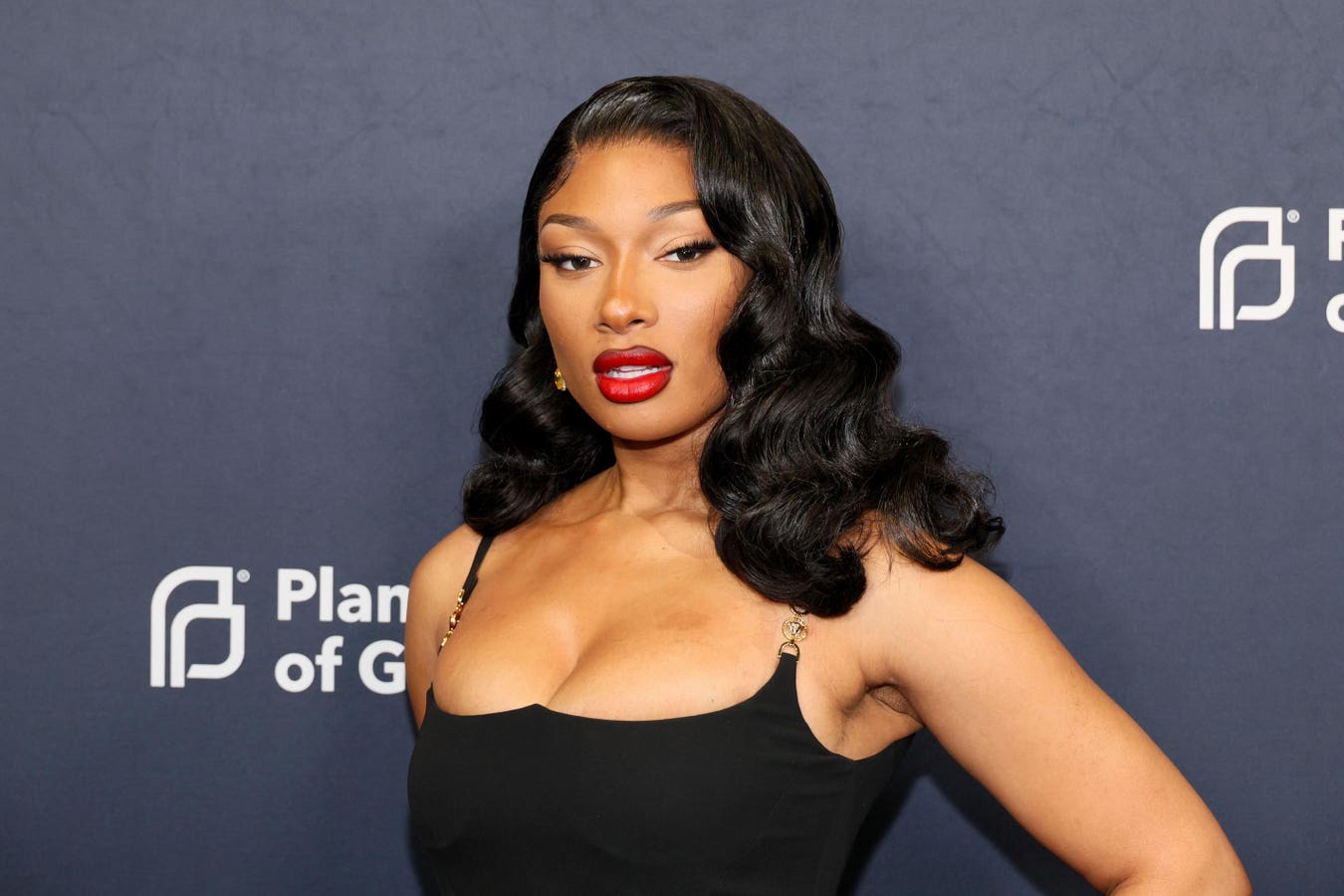
Megan Thee Stallion Attends Planned Parenthood Of Greater New York Gala in New York City
Megan Thee Stallion’s rise in hip-hop has earned her credibility among her fiercely loyal fanbase, “The Hotties,” as one of the genre’s most talented lyricists. Over the past four years, her career has also placed a spotlight on her personal life, particularly her highly publicized legal battle with Canadian rapper Tory Lanez. The fallout from the 2020 shooting incident, which resulted in Lanez’s conviction, has sparked widespread discussion about celebrity reputation management in the digital age and the broader cultural shifts occurring in hip-hop.
A New Era of Self-Advocacy
The shooting—and the speculation surrounding what truly happened that night—has kept Megan in the headlines. Her recent petition for a restraining order against Lanez, alleging harassment from prison, is a striking example of how much the tools for public image management have evolved, especially for women in the industry. Today, female artists are reclaiming their narratives in ways that would have been unthinkable decades ago.
Hip-Hop Has Evolved Over Time
During that era, artists like Lil’ Kim and Foxy Brown were at the forefront of a male-dominated culture that often demanded that they conform to rigid archetypes and found themselves caught up in spats themselves. Back then, legal battles, if they existed, were typically kept out of public view, with artists relying on their management teams and labels to keep their controversies out of the public eye. Social media has changed that and made information about celebrity feuds more accessible and, by extension, empowered public figures to be more assertive and vocal about advocating for their interests and brands.
A New Path for Women in Hip-Hop
The 1990s offered few pathways for women to seek accountability or reclaim their public image. A telling example is Denise “Dee” Barnes, the West Coast rapper and television host who pressed charges against Dr. Dre in 1991 after he violently assaulted her at a party. Barnes also filed a lawsuit, but her decision to speak out came at a steep cost—her career never recovered. In an era dominated by industry politics and male power dynamics, her case was one of the few examples of a woman taking legal action against a male peer.
A Cultural Shift
Fast forward to today, and the dynamics look very different. Megan Thee Stallion’s willingness to speak openly about her experiences—despite the backlash—signals a turning point in hip-hop. This cultural shift has also found its way into male hip-hop, with artists like Jay-Z, who has faced a series of public allegations, and Drake, who recently pursued legal action, partly in response to the aftermath from Kendrick Lamar’s Not Like Us. These isolated incidents further prove how self-advocacy is increasingly becoming embraced in hip-hop. It also shows that artists are not just passive participants in controlling their public images, but are assertive, strategic, and vocal in narrowing down and picking their professional battles strategically.
A New Era of Accountability
In the 1990s, a case like Megan’s would likely have been dismissed, with a woman’s credibility and career destroyed for challenging the status quo. Today, however, the digital age has changed that, allowing women in hip-hop to bypass traditional media portrayals and speak directly to their audiences. But this shift isn’t limited to Megan and her experiences. Artists like Cardi B and Nicki Minaj have also used their platforms to address character attacks and reputational threats. These examples suggest that hip-hop is beginning to explore a more flexible approach to accountability—one where women are no longer silenced or sidelined but are instead allowed to lead their own self-advocacy.
Conclusion
Megan Thee Stallion’s rise to fame has sparked a cultural shift in hip-hop, one where women are no longer silenced or sidelined but are instead allowed to lead their own self-advocacy. The digital age has empowered women to reclaim their narratives and take control of their public images. As the genre continues to evolve, it will be interesting to see how this shift plays out and what implications it has for the future of hip-hop.
FAQs
Q: What is the significance of Megan Thee Stallion’s recent petition for a restraining order against Tory Lanez?
A: The petition is a striking example of how much the tools for public image management have evolved, especially for women in the industry. It shows that women are no longer silenced or sidelined but are instead allowed to lead their own self-advocacy.
Q: How has social media impacted celebrity reputation management?
A: Social media has changed the way celebrities manage their public images. It has made information about celebrity feuds more accessible and empowered public figures to be more assertive and vocal about advocating for their interests and brands.
Q: What is the significance of the 1990s in the context of hip-hop and women’s self-advocacy?
A: The 1990s were a challenging time for women in hip-hop. They were often silenced or sidelined, and their careers were often destroyed for challenging the status quo. The digital age has changed that, allowing women to reclaim their narratives and take control of their public images.




Portable Benefits Could Fix the Gig Economy’s Biggest Problem

Ethical Reasoning Has Become a Core Workplace Skill and Training Programs Are Missing It

Stakeholder Pressure on CEOs Has Reached a Breaking Point

Identity Resilience at Work and Why It Matters More Than Grit

The Revenge of Middle Management and Why Organizations Should Pay Attention

First-Generation Professionals Face a Different Workplace and Nobody Prepares Them for It

Small Business Survival in Underserved Communities Needs More Than Microloans

Aging Populations are Reshaping Labor Markets Faster Than Policy Can Respond

How Emotional Intelligence Can Help You Manage Stress and Build Resilience

Interview with Dr. Kristy K. Taylor, WORxK Global News Magazine Founder

Sarah Herrlinger Talks AirPods Pro Hearing Aid

Unlocking Human Potential: Kim Groshek’s Journey to Transforming Leadership and Stress Resilience

NetWork Your Way to Success: Top Tips for Maximizing Your Professional Network

The Power of Belonging: Why Feeling Accepted Matters in the Workplace

Health-care stocks fall after Warren PBM bill, Brian Thompson shooting

Glenda Benevides: Creating Global Impact Through Music
-
 Resiliency1 year ago
How Emotional Intelligence Can Help You Manage Stress and Build Resilience
-
 Career Advice2 years ago
Interview with Dr. Kristy K. Taylor, WORxK Global News Magazine Founder
-
 Diversity and Inclusion (DEIA)2 years ago
Sarah Herrlinger Talks AirPods Pro Hearing Aid
-
 Changemaker Interviews2 years ago
Unlocking Human Potential: Kim Groshek’s Journey to Transforming Leadership and Stress Resilience
-
 Career Advice2 years ago
NetWork Your Way to Success: Top Tips for Maximizing Your Professional Network
-
 Diversity and Inclusion (DEIA)2 years ago
The Power of Belonging: Why Feeling Accepted Matters in the Workplace
-
 Global Trends and Politics2 years ago
Health-care stocks fall after Warren PBM bill, Brian Thompson shooting
-
 Changemaker Interviews2 years ago
Glenda Benevides: Creating Global Impact Through Music