
Diversity and Inclusion (DEIA)
The Real Cost of Meta’s Policy Changes

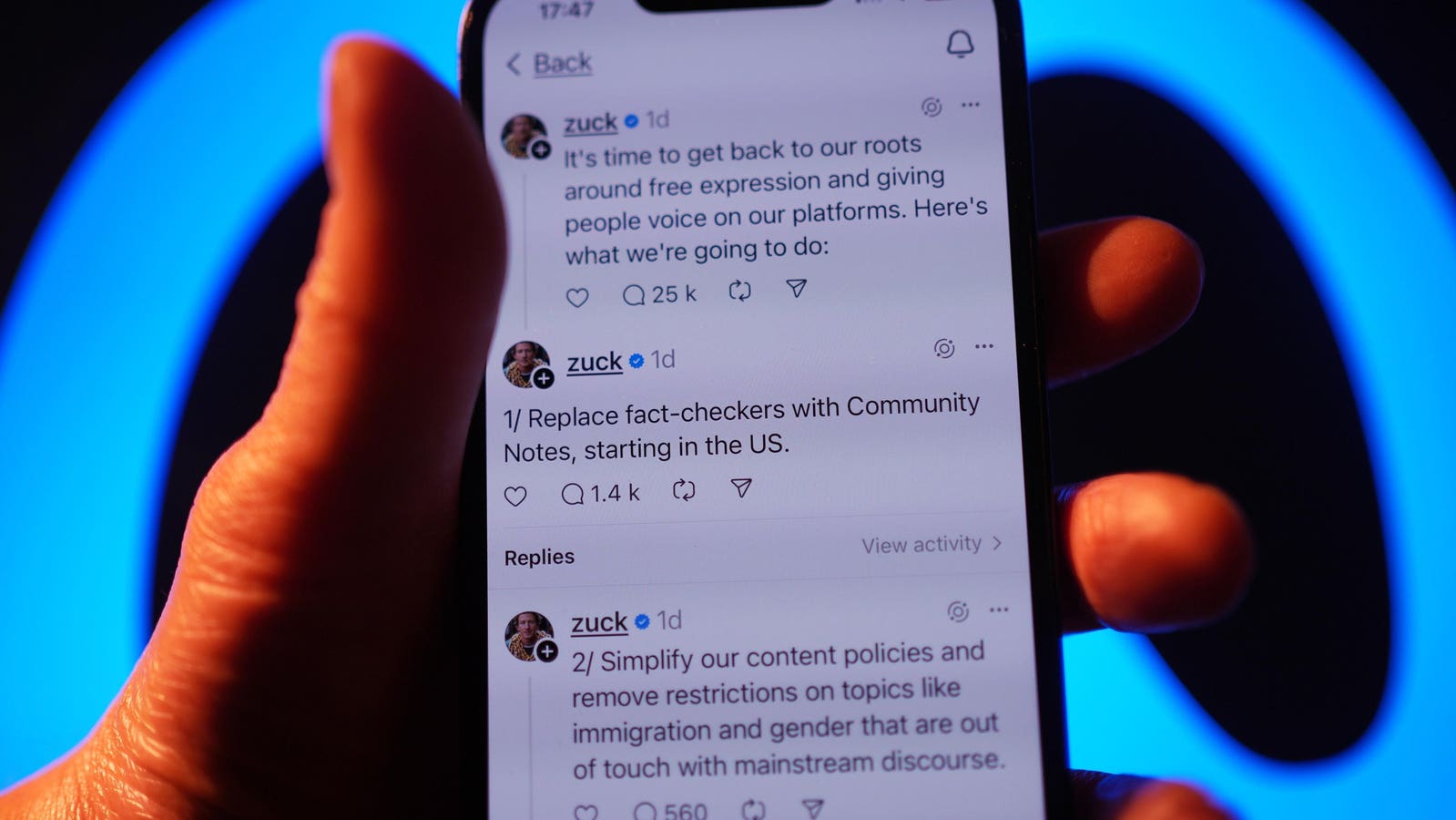
Meta’s Recent Policy Changes: A Concerning Shift in Corporate Culture and Public Discourse
The Reversal of a Decade’s Progress in DEI
The recent announcement that Meta is terminating its DEI programs reverses what was reportedly a decade of intentional investments in diversity, equity and inclusion. An internal company memo from Janelle Gale, Meta’s vice president of human resources, stated that they were making this change because the “legal and policy landscape surrounding diversity, equity and inclusion efforts in the United States is changing.”
In 2014, Meta started reporting on diversity metrics and outlined their plans to better support underrepresented groups both in its workforce and through its products. By 2022, the company announced that it was on track to meet–or had already met–its key diversity goals, including doubling the number of Black, Hispanic and women employees.
Meta’s past commitment and progress towards DEI make their abrupt termination of the program and corresponding team all the more alarming. While these changes may garner favor in the current political climate, they carry significant risks for company performance.
The ‘Masculine Energy’ Mandate
In a recent appearance on The Joe Rogan Experience, Meta CEO Mark Zuckerberg claimed that companies need more ‘masculine energy.’ He explained that “masculine energy I think is good, and obviously society has plenty of that, but I think that corporate culture was really trying to get away from it.”
However, traditionally masculine traits are perceived differently when displayed by women. As Liat Ben-Zur, a technology executive and corporate board member, noted in a LinkedIn post, “This same energy that men are taught to brandish, unapologetically and with pride, becomes a weapon turned inward when a woman dares to wield it… Women who embody ‘masculine energy’ are seen as competent but cold, ambitious but abrasive, successful but unlikable. They are punished for the same qualities that elevate their male counterparts.”
The Shift in Content Moderation
These moves coincide with Meta’s announcement of looser moderation policies, allowing language previously deemed discriminatory. Under the new policies, users can call gay and trans people mentally ill, refer to women as household objects, and share beliefs that certain professions—such as military, law enforcement, and teaching—have inherent limitations based on gender or sexual orientation.
Conclusion
Meta’s trifecta of policy changes—abandoning DEI initiatives, promoting ‘masculine energy,’ and relaxing content moderation—represents more than just isolated corporate decisions. Collectively, they signal a concerning departure from the responsibility that companies of Meta’s scale and influence have toward employees, users, and society at large.
FAQs
Q: What does Meta’s termination of its DEI programs mean for employees?
A: The termination of DEI programs could lead to a less inclusive and equitable workplace, potentially affecting employee morale and performance.
Q: What does Meta’s promotion of ‘masculine energy’ mean for women in the workplace?
A: The promotion of ‘masculine energy’ could lead to women being penalized for displaying traditionally masculine traits, which could impact their career advancement and overall work experience.
Q: What does Meta’s relaxed content moderation policy mean for users?
A: The relaxed content moderation policy could lead to an increase in discriminatory language and hate speech, potentially creating a hostile online environment for marginalized groups.
Q: What does this mean for the future of Meta and its users?
A: The collective impact of these policy changes could lead to a decline in Meta’s reputation and a negative impact on its users, particularly marginalized communities.




Portable Benefits Could Fix the Gig Economy’s Biggest Problem

Ethical Reasoning Has Become a Core Workplace Skill and Training Programs Are Missing It

Stakeholder Pressure on CEOs Has Reached a Breaking Point

Identity Resilience at Work and Why It Matters More Than Grit

The Revenge of Middle Management and Why Organizations Should Pay Attention

First-Generation Professionals Face a Different Workplace and Nobody Prepares Them for It

Small Business Survival in Underserved Communities Needs More Than Microloans

Aging Populations are Reshaping Labor Markets Faster Than Policy Can Respond

How Emotional Intelligence Can Help You Manage Stress and Build Resilience

Interview with Dr. Kristy K. Taylor, WORxK Global News Magazine Founder

Sarah Herrlinger Talks AirPods Pro Hearing Aid

Unlocking Human Potential: Kim Groshek’s Journey to Transforming Leadership and Stress Resilience

NetWork Your Way to Success: Top Tips for Maximizing Your Professional Network

The Power of Belonging: Why Feeling Accepted Matters in the Workplace

Health-care stocks fall after Warren PBM bill, Brian Thompson shooting

Glenda Benevides: Creating Global Impact Through Music
-
 Resiliency1 year ago
How Emotional Intelligence Can Help You Manage Stress and Build Resilience
-
 Career Advice2 years ago
Interview with Dr. Kristy K. Taylor, WORxK Global News Magazine Founder
-
 Diversity and Inclusion (DEIA)2 years ago
Sarah Herrlinger Talks AirPods Pro Hearing Aid
-
 Changemaker Interviews2 years ago
Unlocking Human Potential: Kim Groshek’s Journey to Transforming Leadership and Stress Resilience
-
 Career Advice2 years ago
NetWork Your Way to Success: Top Tips for Maximizing Your Professional Network
-
 Diversity and Inclusion (DEIA)2 years ago
The Power of Belonging: Why Feeling Accepted Matters in the Workplace
-
 Global Trends and Politics2 years ago
Health-care stocks fall after Warren PBM bill, Brian Thompson shooting
-
 Changemaker Interviews2 years ago
Glenda Benevides: Creating Global Impact Through Music