
Innovation and Technology
AI Undermines Critical Thinking

The Prototype: The Latest in Science and Technology
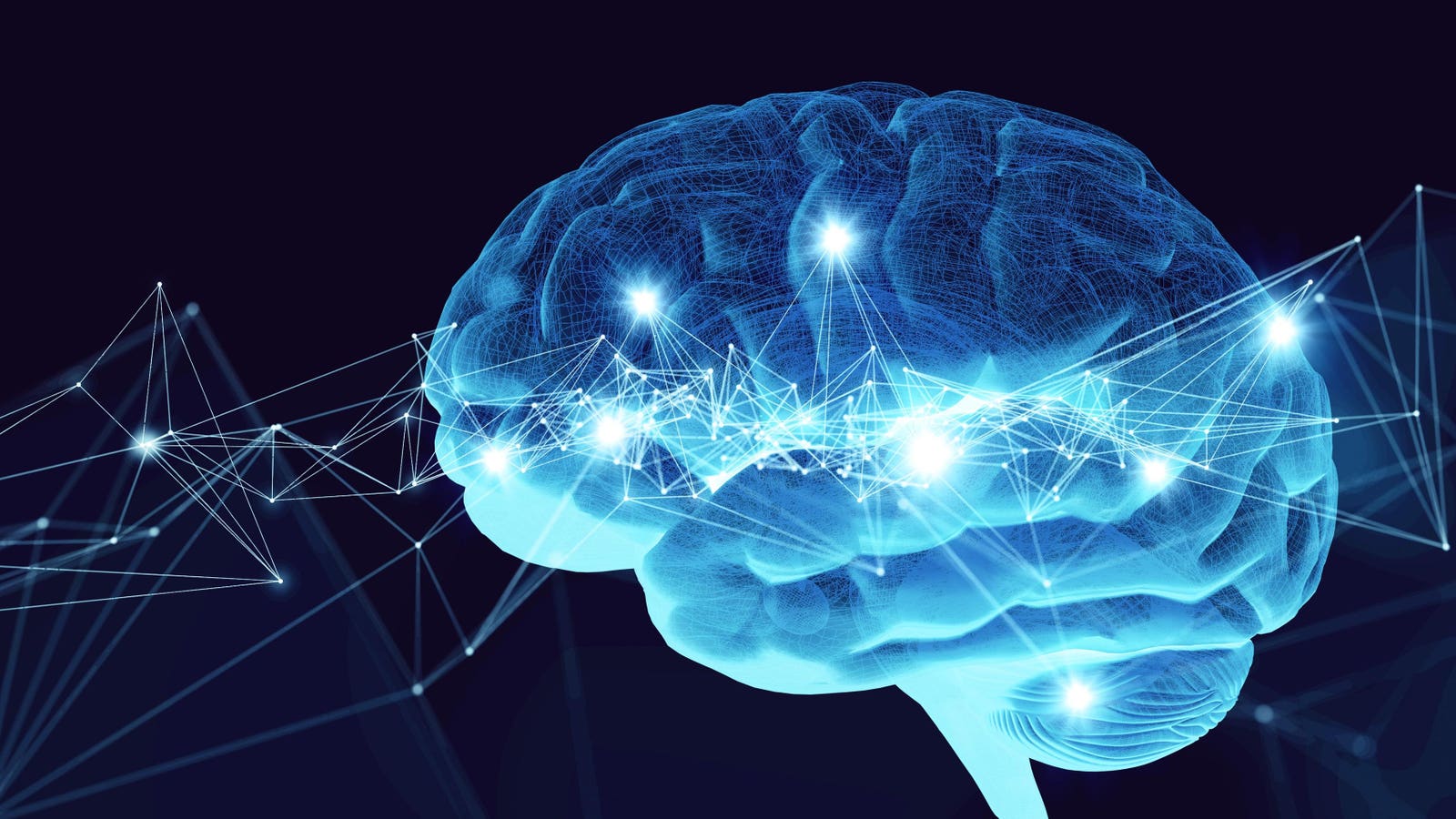
Too Much Reliance on AI Could Make You Stupid
A recent study published in the journal Societies found that people who use AI tools frequently show worse critical thinking skills than those who don’t. The researchers evaluated the use of AI tools in a diverse group of 666 individuals and found that frequent use of AI tools was a stronger predictor of poor critical thinking skills than other factors, including educational attainment.
The study suggests that this is due to a phenomenon called "cognitive offloading," where people’s thinking and problem-solving are delegated to AI, reducing their ability to think independently. While AI can enhance efficiency and convenience, it can also foster dependence, which can compromise critical thinking skills over time.
Bioengineering Off-The-Shelf Arteries for Trauma Patients
Humacyte, a regenerative medicine startup, has developed a bioengineered artery called Symvess, which can be surgically implanted in a patient’s body. The company’s CEO, Laura Niklason, explained that Symvess is made from human donor cells grown on a degradable scaffold, which recreates the physical structure of a blood vessel. Once the living cells are processed away, the artery structure remains, which can be implanted in a new patient without the risk of rejection. Symvess has been approved by the FDA for use in patients with traumatic injuries and has been shown to be less likely to cause infection or lead to limb amputation compared to conventional synthetic arteries.
Discovery of the Week: Inactive Viruses May Cause Neurodegeneration
A recent study published in Science Signaling found that dormant viruses, particularly herpes simplex 1, may contribute to the development of neurodegenerative diseases such as Alzheimer’s and Parkinson’s. The researchers grew small tissue models of the brain, some with the herpes virus and some without, and subjected them to repeated head injuries. The study found that the brain tissues with the virus developed signs of Alzheimer’s disease, while those without did not.
Water-Based Propulsion Test
Japanese startup Pale Blue has signed a deal with Italian company D-Orbit to conduct two demonstrations of its new ion thruster, which allows satellites to maneuver and take themselves out of orbit at the end of their life. The thruster uses water as a propellant, which potentially offers a cleaner and more sustainable fuel for small satellites.
Science and Tech Tidbits
- Online retailers are selling technology that protects drones from signal jamming and remote takeover.
- AI startup Anthropic’s new funding round will make its seven founders billionaires.
- Researchers have developed a technique for refrigerating quantum computers in a way that reduces errors and makes them more reliable.
- Eating grapefruit can interfere with the action of several kinds of medications, including anti-anxiety drugs and statins. New research suggests it may be possible to grow a variety of grapefruit that doesn’t interfere with prescription drugs.
- Biologists have successfully transplanted chloroplasts from algae into hamsters, where they successfully functioned for about three days.
- Scientists at Northwestern University have built a battery that uses triphenylphosphine oxide, a common industrial waste product, to store energy instead of metals.
Pro Science Tip: Add Water to Your Coffee Beans
A new study has given scientific backing to the "Ross Droplet Technique," which involves adding water to coffee beans before grinding them to reduce static electricity and improve the flavor of the coffee.
What’s Entertaining Me This Week
I’ve been listening to the concept album "Epic" by Jorge Rivera-Herrans, which is a musical adaptation of Homer’s "The Odyssey." The album is divided into nine sagas, each with a few songs, and tells the story of Odysseus’ journey from the end of the Trojan War to his return home to Ithaca.
More from Forbes
- Eric Schmidt’s New Secret Project Is An AI Video Platform Called ‘Hooglee’
- This Former Billionaire, And New U.S. Senator, Is Now Broke
- Inside Cannabis’ Willy Wonka Flavor Factory
Conclusion
The latest advancements in science and technology are rapidly changing the way we live and work. From the potential negative effects of too much reliance on AI to the development of new medical technologies, there is much to be excited about. As we move forward, it is important to stay informed and educated about the latest breakthroughs and discoveries.
FAQs
Q: What is the purpose of The Prototype?
A: The purpose of The Prototype is to provide readers with the latest news and developments in science and technology.
Q: How often is The Prototype published?
A: The Prototype is published weekly.
Q: What types of topics are covered in The Prototype?
A: The Prototype covers a wide range of topics, including AI, biotechnology, medicine, and more.




Portable Benefits Could Fix the Gig Economy’s Biggest Problem

Ethical Reasoning Has Become a Core Workplace Skill and Training Programs Are Missing It

Stakeholder Pressure on CEOs Has Reached a Breaking Point

Identity Resilience at Work and Why It Matters More Than Grit

The Revenge of Middle Management and Why Organizations Should Pay Attention

First-Generation Professionals Face a Different Workplace and Nobody Prepares Them for It

Small Business Survival in Underserved Communities Needs More Than Microloans

Aging Populations are Reshaping Labor Markets Faster Than Policy Can Respond

How Emotional Intelligence Can Help You Manage Stress and Build Resilience

Interview with Dr. Kristy K. Taylor, WORxK Global News Magazine Founder

Sarah Herrlinger Talks AirPods Pro Hearing Aid

Unlocking Human Potential: Kim Groshek’s Journey to Transforming Leadership and Stress Resilience

NetWork Your Way to Success: Top Tips for Maximizing Your Professional Network

The Power of Belonging: Why Feeling Accepted Matters in the Workplace

Health-care stocks fall after Warren PBM bill, Brian Thompson shooting

Glenda Benevides: Creating Global Impact Through Music
-
 Resiliency1 year ago
How Emotional Intelligence Can Help You Manage Stress and Build Resilience
-
 Career Advice2 years ago
Interview with Dr. Kristy K. Taylor, WORxK Global News Magazine Founder
-
 Diversity and Inclusion (DEIA)2 years ago
Sarah Herrlinger Talks AirPods Pro Hearing Aid
-
 Changemaker Interviews2 years ago
Unlocking Human Potential: Kim Groshek’s Journey to Transforming Leadership and Stress Resilience
-
 Career Advice2 years ago
NetWork Your Way to Success: Top Tips for Maximizing Your Professional Network
-
 Diversity and Inclusion (DEIA)2 years ago
The Power of Belonging: Why Feeling Accepted Matters in the Workplace
-
 Global Trends and Politics2 years ago
Health-care stocks fall after Warren PBM bill, Brian Thompson shooting
-
 Changemaker Interviews2 years ago
Glenda Benevides: Creating Global Impact Through Music