
Diversity and Inclusion (DEIA)
Intersectionality Is More Than A Buzzword

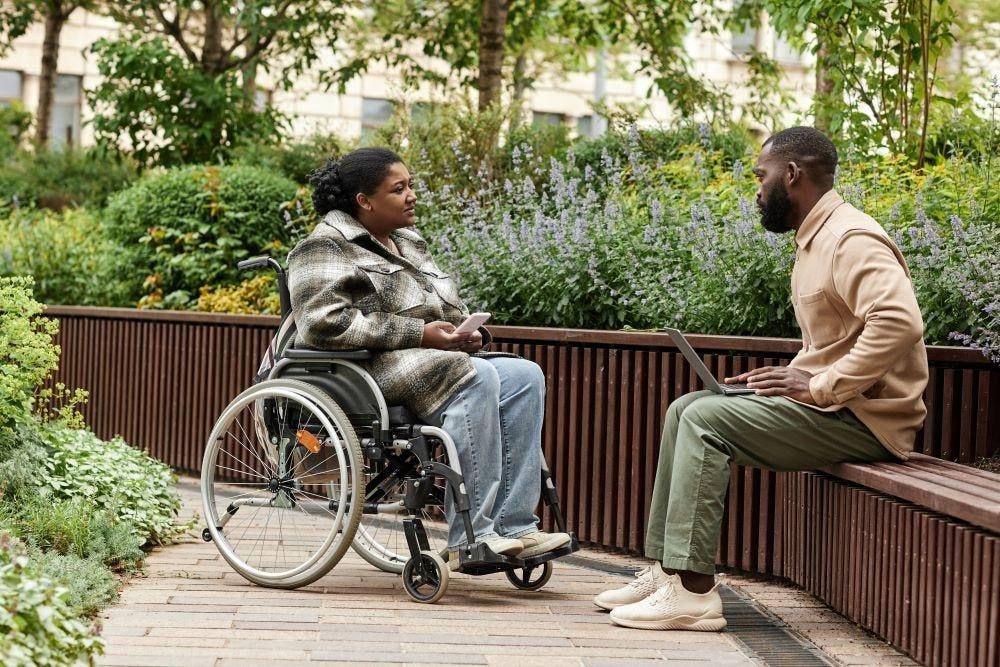
The Reality of Intersectional Experience
The reality is that simplified approaches to inclusion are failing both businesses and employees. Human beings are not simple, and simple solutions are just not realistic. When we talk about disability inclusion in business, we often fall into the trap of treating disabled people as a monolithic group. But disability doesn’t exist in isolation – it intersects with race, gender, sexuality, class, and countless other aspects of identity that shape how individuals experience both the workplace and the wider world.
The Cost of Compartmentalization
Despite the complexity of these overlapping challenges, many corporate inclusion efforts still take a siloed approach, treating disability, race, gender, and other aspects of identity as separate checkboxes rather than interconnected realities. This fragmented approach not only fails to serve employees – it’s also holding businesses back from accessing the full spectrum of talent and innovation that true intersectional inclusion enables. More crucially, this siloed thinking creates divisiveness and exclusion, fragmenting communities and isolating individuals whose identities don’t fit neatly into single categories.
Leading Companies Breaking New Ground
Some forward-thinking organizations are beginning to embrace intersectional approaches to inclusion. P&G’s commitment to achieve 100% advertising accessibility comes with an explicit focus on representing the full diversity of the disability community. Their #Shift20 initiative specifically addresses the underrepresentation of disabled people of color in their marketing.
Inclusive From the Start
“Nothing Without Us” takes on new meaning when viewed through an intersectional lens. It’s not enough to include disabled voices – companies need to ensure those voices represent the full spectrum of disability experience across race, gender, sexuality, class, and culture.
Time for Action
Now is the time for business leaders to double down in their efforts to address intersectional barriers to inclusion. For those navigating this challenging landscape, this means asking difficult questions: Are our inclusion efforts reaching everyone? Do our products and services work for people with multiple marginalized identities? Are we creating spaces where employees can bring their authentic selves, and the very best of themselves, to work?
Conclusion
The future of business belongs to organizations that can answer these questions with confidence. It’s time to move beyond treating diversity as a checklist and embrace the complex, interconnected reality of human identity. The companies that will thrive in the long term will be those who use this understanding to create workplaces and products that truly serve everyone – not because it’s trendy, but because it’s transformative.
FAQs
Q: Why is intersectionality important in disability inclusion?
A: Intersectionality recognizes that disability is not a single issue, but rather intersects with other aspects of identity such as race, gender, sexuality, class, and culture, creating unique experiences and barriers for individuals.
Q: How can companies move beyond siloed thinking about diversity?
A: Companies can move beyond siloed thinking by recognizing the interconnectedness of different aspects of identity and creating inclusive policies and practices that address these intersections.
Q: What are some examples of companies embracing intersectional approaches to inclusion?
A: Companies like P&G and HSBC are examples of organizations that are embracing intersectional approaches to inclusion, recognizing the importance of representing the full diversity of the disability community and addressing the underrepresentation of disabled people of color in their marketing and hiring practices.


Portable Benefits Could Fix the Gig Economy’s Biggest Problem

Ethical Reasoning Has Become a Core Workplace Skill and Training Programs Are Missing It

Stakeholder Pressure on CEOs Has Reached a Breaking Point

Identity Resilience at Work and Why It Matters More Than Grit

The Revenge of Middle Management and Why Organizations Should Pay Attention

First-Generation Professionals Face a Different Workplace and Nobody Prepares Them for It

Small Business Survival in Underserved Communities Needs More Than Microloans

Aging Populations are Reshaping Labor Markets Faster Than Policy Can Respond

How Emotional Intelligence Can Help You Manage Stress and Build Resilience

Interview with Dr. Kristy K. Taylor, WORxK Global News Magazine Founder

Sarah Herrlinger Talks AirPods Pro Hearing Aid

Unlocking Human Potential: Kim Groshek’s Journey to Transforming Leadership and Stress Resilience

NetWork Your Way to Success: Top Tips for Maximizing Your Professional Network

The Power of Belonging: Why Feeling Accepted Matters in the Workplace

Health-care stocks fall after Warren PBM bill, Brian Thompson shooting

Glenda Benevides: Creating Global Impact Through Music
-
 Resiliency1 year ago
How Emotional Intelligence Can Help You Manage Stress and Build Resilience
-
 Career Advice2 years ago
Interview with Dr. Kristy K. Taylor, WORxK Global News Magazine Founder
-
 Diversity and Inclusion (DEIA)2 years ago
Sarah Herrlinger Talks AirPods Pro Hearing Aid
-
 Changemaker Interviews2 years ago
Unlocking Human Potential: Kim Groshek’s Journey to Transforming Leadership and Stress Resilience
-
 Career Advice2 years ago
NetWork Your Way to Success: Top Tips for Maximizing Your Professional Network
-
 Diversity and Inclusion (DEIA)2 years ago
The Power of Belonging: Why Feeling Accepted Matters in the Workplace
-
 Global Trends and Politics2 years ago
Health-care stocks fall after Warren PBM bill, Brian Thompson shooting
-
 Changemaker Interviews2 years ago
Glenda Benevides: Creating Global Impact Through Music