
Innovation and Technology
Future of Immigration Policies

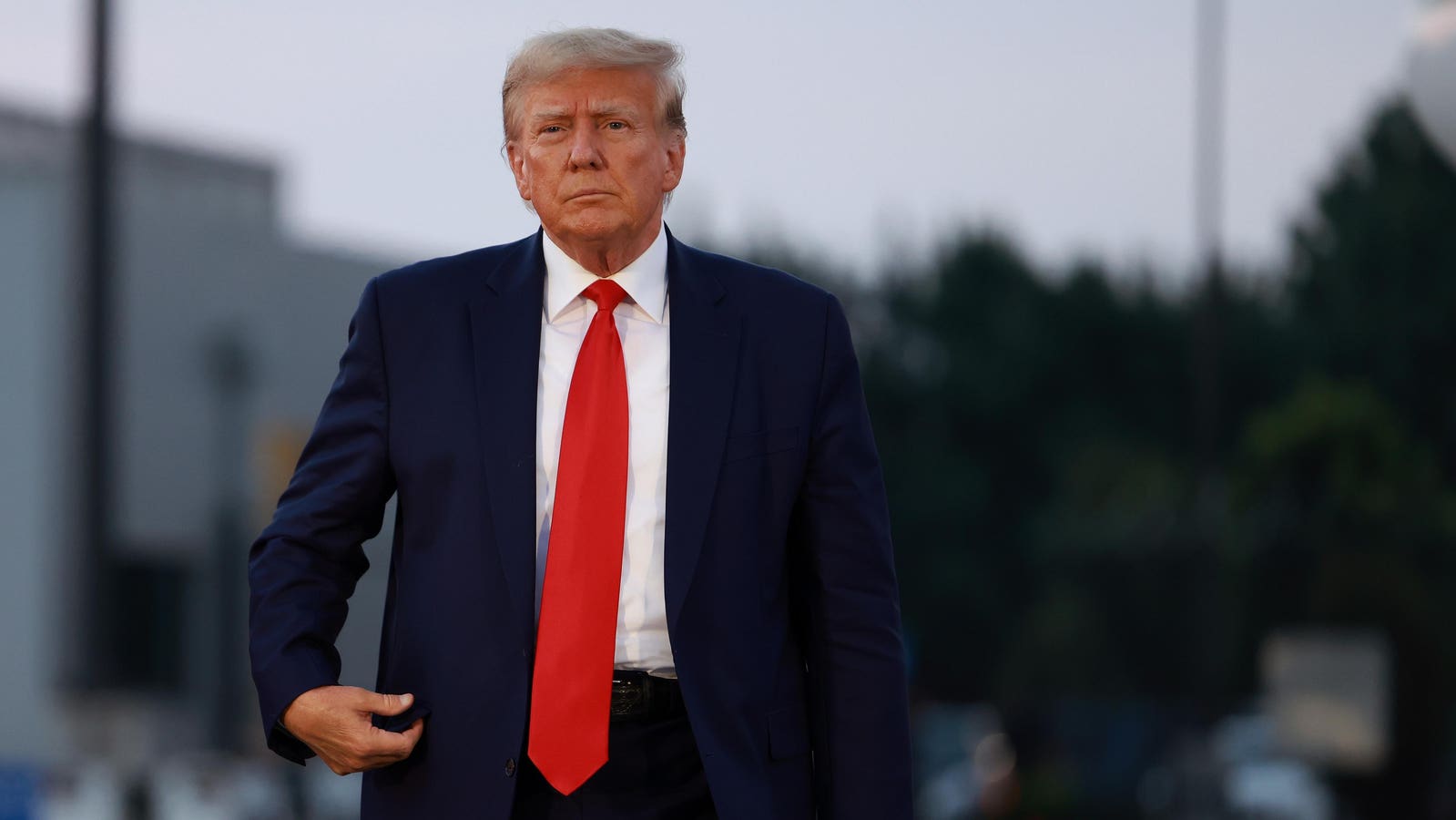
Developments in 2024 Will Reverberate in 2025 to Drive U.S. Immigration Policy
Trump’s Election and His Campaign Rhetoric on Immigration
Donald Trump regaining the White House will affect future immigration policies more than any other event in 2024. However, the way he won mattered. Trump used extreme rhetoric to characterize immigrants and individuals with Temporary Protected Status. He accused Haitians of eating their neighbors’ pets and said migrants were “attacking villages” and taking over towns. He claimed many migrants were released from foreign prisons and insane asylums to commit crimes in America. In December 2024, Trump blamed the truck attack in New Orleans that killed 14 people on “criminals coming in” from other nations, even though the assailant was a 42-year-old U.S.-born Army veteran. Journalists who fact-checked Trump disputed those characterizations.
Republicans Win Narrow Majorities in the House and Senate That Will Affect Immigration Policy and Spending
Republicans retained the House and won the Senate. However, the margins are narrow in both chambers. That could complicate efforts at enacting restrictive immigration policies, including approval for spending to fund a border wall, increased detention, and more agents for mass deportation. Republicans hope to accomplish that spending through reconciliation, which can avoid a Democratic filibuster in the Senate. The tumultuous process the public witnessed in December 2024 to prevent a government shutdown indicates that at least some House Republicans will balk at new spending not accompanied by significant offsets.
The Rise and Likely Fall of U.S. Refugee Admissions and Its Impact on Immigration Levels
In FY 2024, 100,034 refugees arrived in the United States, according to the U.S. Refugee Processing Center. That compares to only 30,000 arrivals in FY 2019 and 11,814 in FY 2020 under Trump. Stephen Miller worked against admitting refugees in Trump’s first term, and he returns to the White House in 2025 with a more powerful title. The Biden administration set a refugee ceiling of 125,000 for FY 2025. Religious and human rights groups are bracing for Miller to ignore that ceiling, suspend refugee admissions, and drive refugee arrivals to FY 2019 and FY 2020 levels or lower. Reducing refugee admissions will lower overall legal immigration levels.
Low Border Numbers and Mexican Cooperation on Immigration
Donald Trump campaigned and continues to speak as if the border remains in “crisis.” The data point to a different reality: Illegal entry is lower today than when Donald Trump left office. In December 2024, there were 47,326 Border Patrol encounters at the Southwest border, 37% below the level of 75,316 encounters in January 2021 when Trump was president. The Biden administration’s use of legal pathways, a June 2024 executive order on asylum policy, and close cooperation with Mexico contributed to the significant decline at the border since July 2024.
Immigration Lawsuits and the End of Chevron Deference
In June 2024, the U.S. Supreme Court ruled in Loper Bright Enterprises et al. v. Raimondo: “The Administrative Procedure Act requires courts to exercise their independent judgment in deciding whether an agency has acted within its statutory authority, and courts may not defer to an agency interpretation of the law simply because a statute is ambiguous; Chevron is overruled.”
The end of Chevron deference to federal agencies may help businesses, universities, and public interest groups in immigration lawsuits during a second Trump administration should officials enact policies like those in the first term. That could cut across several issues, including asylum, public charge, H-1B visas, and international student policy, and lead to unexpected outcomes.
The developments in 2024 will likely have a significant impact on U.S. immigration policy in 2025. Trump’s re-election and the narrow majorities in the House and Senate will likely lead to a more restrictive approach to immigration. The end of Chevron deference could also lead to unexpected outcomes in immigration lawsuits. While there may be some predictable events, such as Trump’s pursuit of mass deportation, other developments could lead to surprising and unintended consequences.
Q: What are the potential implications of Trump’s re-election on U.S. immigration policy?
A: Trump’s re-election will likely lead to a more restrictive approach to immigration, including mass deportation and reduced refugee admissions.
Q: What is the significance of the end of Chevron deference in immigration policy?
A: The end of Chevron deference could lead to unexpected outcomes in immigration lawsuits, potentially favoring businesses, universities, and public interest groups.
Q: How will Trump’s re-election affect the U.S.-Mexico border?
A: Trump will likely continue to use rhetoric about the “crisis” at the border, despite declining illegal entry numbers, and may focus on increasing border security measures and reducing legal pathways for immigrants.
Q: What are the potential implications of Trump’s support from Silicon Valley allies on high-skilled immigration?
A: Trump’s support from Silicon Valley allies could lead to a more nuanced approach to high-skilled immigration, potentially including increased green cards for foreign-born graduates and workers. However, this may be at odds with the restrictive policies he has pursued in the past.




Portable Benefits Could Fix the Gig Economy’s Biggest Problem

Ethical Reasoning Has Become a Core Workplace Skill and Training Programs Are Missing It

Stakeholder Pressure on CEOs Has Reached a Breaking Point

Identity Resilience at Work and Why It Matters More Than Grit

The Revenge of Middle Management and Why Organizations Should Pay Attention

First-Generation Professionals Face a Different Workplace and Nobody Prepares Them for It

Small Business Survival in Underserved Communities Needs More Than Microloans

Aging Populations are Reshaping Labor Markets Faster Than Policy Can Respond

How Emotional Intelligence Can Help You Manage Stress and Build Resilience

Interview with Dr. Kristy K. Taylor, WORxK Global News Magazine Founder

Sarah Herrlinger Talks AirPods Pro Hearing Aid

Unlocking Human Potential: Kim Groshek’s Journey to Transforming Leadership and Stress Resilience

NetWork Your Way to Success: Top Tips for Maximizing Your Professional Network

The Power of Belonging: Why Feeling Accepted Matters in the Workplace

Health-care stocks fall after Warren PBM bill, Brian Thompson shooting

Glenda Benevides: Creating Global Impact Through Music
-
 Resiliency1 year ago
How Emotional Intelligence Can Help You Manage Stress and Build Resilience
-
 Career Advice2 years ago
Interview with Dr. Kristy K. Taylor, WORxK Global News Magazine Founder
-
 Diversity and Inclusion (DEIA)2 years ago
Sarah Herrlinger Talks AirPods Pro Hearing Aid
-
 Changemaker Interviews2 years ago
Unlocking Human Potential: Kim Groshek’s Journey to Transforming Leadership and Stress Resilience
-
 Career Advice2 years ago
NetWork Your Way to Success: Top Tips for Maximizing Your Professional Network
-
 Diversity and Inclusion (DEIA)2 years ago
The Power of Belonging: Why Feeling Accepted Matters in the Workplace
-
 Global Trends and Politics2 years ago
Health-care stocks fall after Warren PBM bill, Brian Thompson shooting
-
 Changemaker Interviews2 years ago
Glenda Benevides: Creating Global Impact Through Music