
Global Trends and Politics
China biopharma deals rise with Summit, Merck

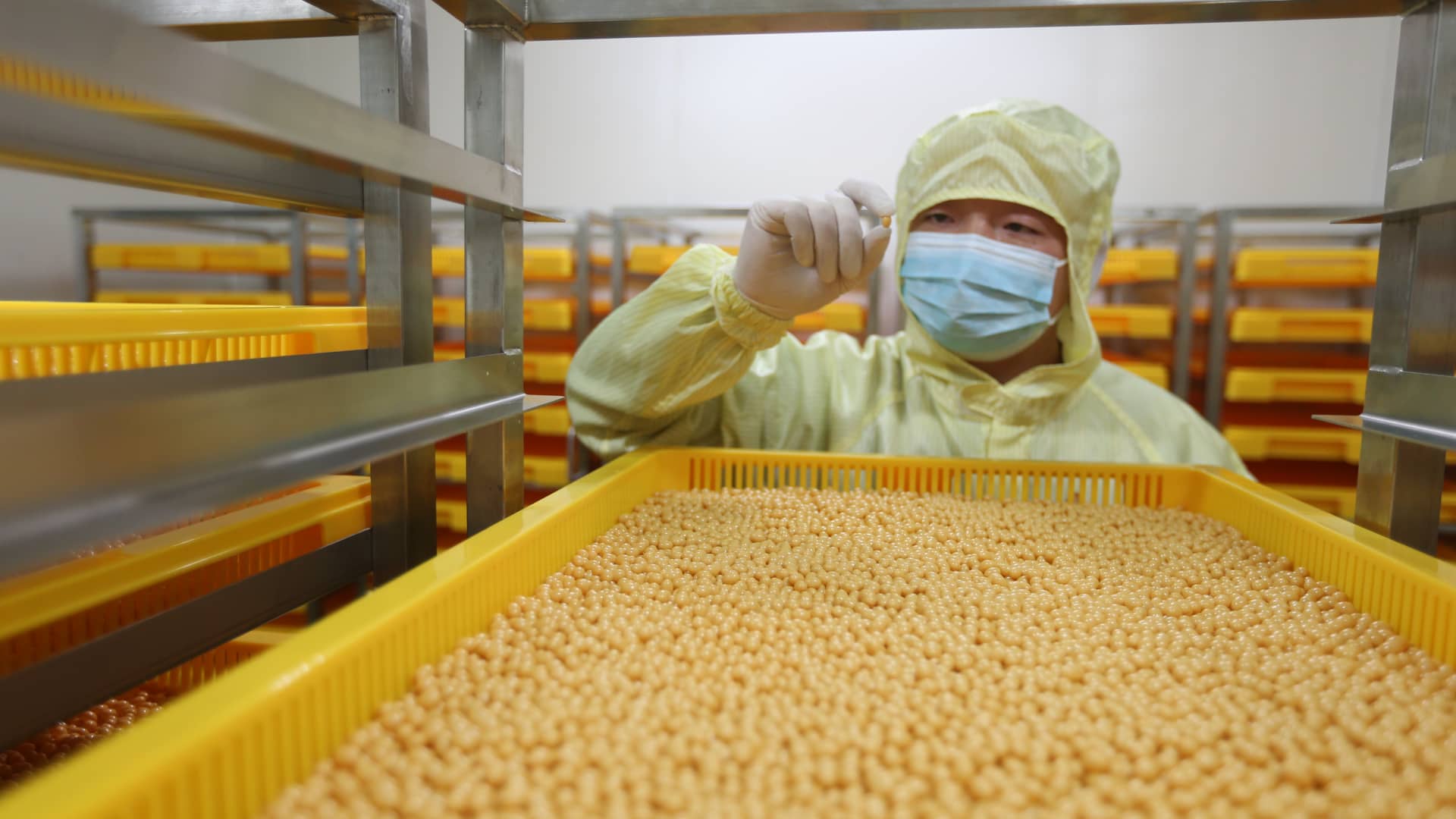
The Rise of Chinese Biotech
A little-known biotech company, Summit Therapeutics, stunned the industry last spring when it declared an "unprecedented" achievement: its experimental cancer drug looked more effective than Merck’s Keytruda in a clinical trial. The company, licensed the drug from Chinese company Akeso Inc.
In October, a group of life science investors announced they were putting $400 million into creating a company called Kailera Therapeutics that would develop experimental obesity drugs it bought from Chinese company Jiangsu Hengrui Pharmaceuticals.
Then in a matter of days in December, Merck disclosed it would license a potential competitor to Summit’s drug and a separate experimental obesity pill – both from Chinese companies.
A New Trend in Biopharmaceuticals
Suddenly, U.S. companies are racing to find medicines in China. Almost 30% of Big Pharma deals with at least $50 million up front involved Chinese companies last year, up from 20% the year before and none only five years before, according to data from DealForma.
"That’s stunning to me," said Chen Yu, founder and managing partner at crossover fund TCGX. "That’s stunning."
Yu said 20 years ago, few biopharma companies were interested in China because they considered it a small market. His former firm, Vivo Capital, pioneered the concept of bringing U.S. medicines to the Chinese market.
Why the Shift?
Investors and industry insiders offer a few reasons for the trend: Chinese companies are creating better molecules than ever before – and more of them. They can start testing those compounds in humans sooner and at a lower price than in the U.S. Buyers have figured out a business model to essentially import the drugs through licensing deals. Venture funding in China has also dried up, forcing biotech companies to do deals.
The Future of the U.S. Biotech Sector
What’s less clear is what the development means for the U.S. biotech sector. Some people contend it’s terrible for American startups if large pharmaceutical companies can find a promising drug in China for a fraction of the price. Others argue competition makes everyone better, and American companies will ultimately reap the rewards of bringing medicines to the market.
"It’s kind of a watershed moment where the pharma industry is like, ‘We don’t really need to buy U.S. biotechs necessarily,’" said Tim Opler, a managing director in Stifel’s global healthcare group. "We will if it makes sense, but we can buy perfectly good biotech assets through licensing deals with Chinese companies."
Conclusion
The rise of Chinese biotech is a significant development in the pharmaceutical industry. While it may pose challenges for U.S. biotech companies, it also presents opportunities for innovation and competition. As the trend continues to unfold, it will be interesting to see how it shapes the future of the industry.
FAQs
Q: What is the significance of Summit Therapeutics’ announcement?
A: Summit Therapeutics’ experimental cancer drug looked more effective than Merck’s Keytruda in a clinical trial, making it an "unprecedented" achievement.
Q: Why are U.S. companies racing to find medicines in China?
A: Chinese companies are creating better molecules than ever before, and they can start testing them in humans sooner and at a lower price than in the U.S.
Q: What are the implications for the U.S. biotech sector?
A: The trend may be challenging for American startups if large pharmaceutical companies can find promising drugs in China for a fraction of the price, but it also presents opportunities for innovation and competition.


Portable Benefits Could Fix the Gig Economy’s Biggest Problem

Ethical Reasoning Has Become a Core Workplace Skill and Training Programs Are Missing It

Stakeholder Pressure on CEOs Has Reached a Breaking Point

Identity Resilience at Work and Why It Matters More Than Grit

The Revenge of Middle Management and Why Organizations Should Pay Attention

First-Generation Professionals Face a Different Workplace and Nobody Prepares Them for It

Small Business Survival in Underserved Communities Needs More Than Microloans

Aging Populations are Reshaping Labor Markets Faster Than Policy Can Respond

How Emotional Intelligence Can Help You Manage Stress and Build Resilience

Interview with Dr. Kristy K. Taylor, WORxK Global News Magazine Founder

Sarah Herrlinger Talks AirPods Pro Hearing Aid

Unlocking Human Potential: Kim Groshek’s Journey to Transforming Leadership and Stress Resilience

NetWork Your Way to Success: Top Tips for Maximizing Your Professional Network

The Power of Belonging: Why Feeling Accepted Matters in the Workplace

Health-care stocks fall after Warren PBM bill, Brian Thompson shooting

Glenda Benevides: Creating Global Impact Through Music
-
 Resiliency1 year ago
How Emotional Intelligence Can Help You Manage Stress and Build Resilience
-
 Career Advice2 years ago
Interview with Dr. Kristy K. Taylor, WORxK Global News Magazine Founder
-
 Diversity and Inclusion (DEIA)2 years ago
Sarah Herrlinger Talks AirPods Pro Hearing Aid
-
 Changemaker Interviews2 years ago
Unlocking Human Potential: Kim Groshek’s Journey to Transforming Leadership and Stress Resilience
-
 Career Advice2 years ago
NetWork Your Way to Success: Top Tips for Maximizing Your Professional Network
-
 Diversity and Inclusion (DEIA)2 years ago
The Power of Belonging: Why Feeling Accepted Matters in the Workplace
-
 Global Trends and Politics2 years ago
Health-care stocks fall after Warren PBM bill, Brian Thompson shooting
-
 Changemaker Interviews2 years ago
Glenda Benevides: Creating Global Impact Through Music