
Organizational Culture
Hidden Biases in Decision Making

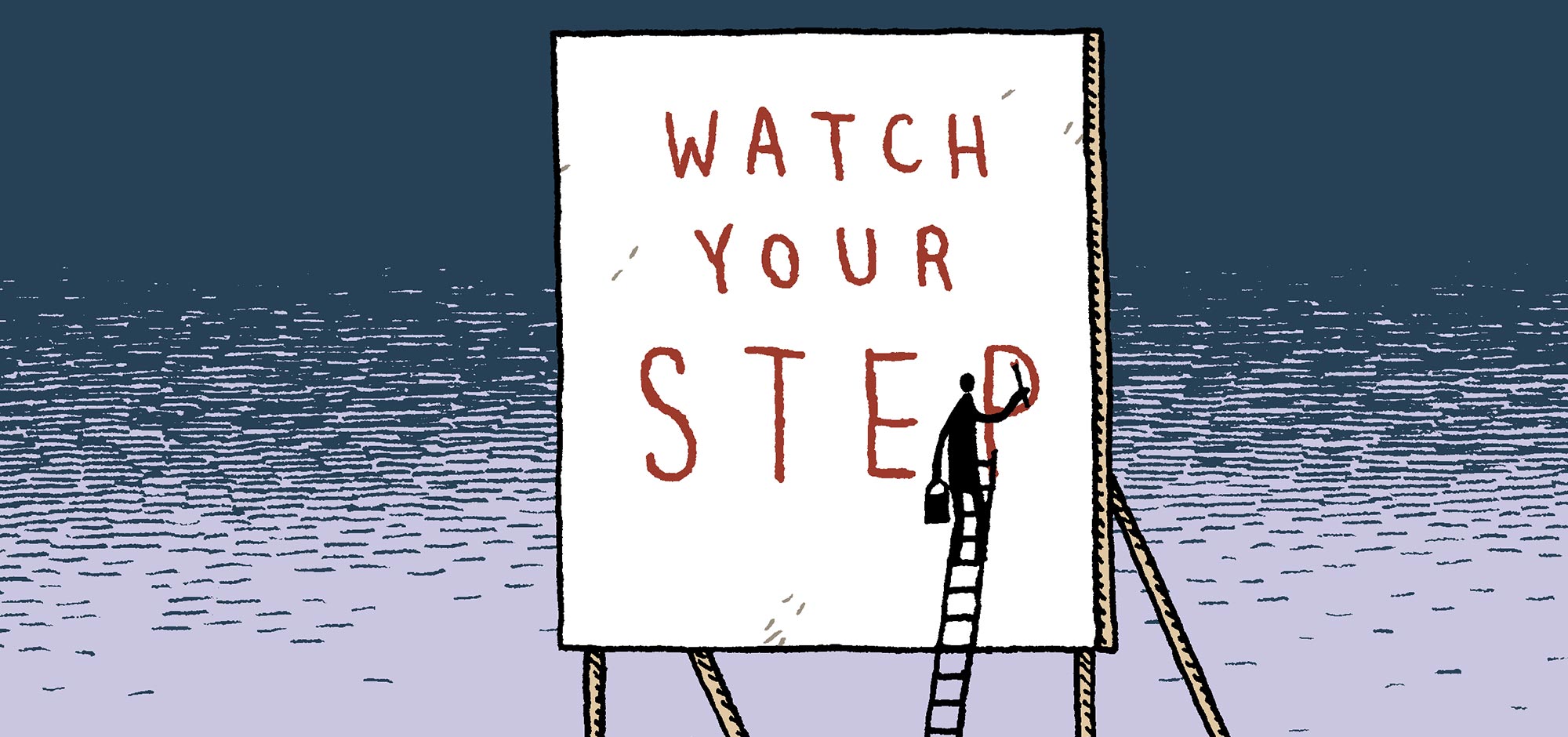
Why Decisions Go Wrong
The Power of Decision Making
Making decisions is the most important job of any executive. It’s also the toughest and the riskiest. Bad decisions can damage a business and a career, sometimes irreparably. So where do bad decisions come from?
The Decision-Making Process
In many cases, bad decisions can be traced back to the way the decisions were made—the alternatives were not clearly defined, the right information was not collected, the costs and benefits were not accurately weighed. This can lead to a lack of clarity, poor analysis, and ultimately, a poor decision.
The Role of the Brain
But sometimes the fault lies not in the decision-making process, but rather in the mind of the decision maker. The way the human brain works can sabotage our decisions. Our brains are wired to make quick, intuitive decisions, often relying on mental shortcuts and biases. This can lead to impulsive decisions, rather than thoughtful, informed ones.
Cognitive Biases and Heuristics
There are many cognitive biases and heuristics that can influence our decision-making. For example, confirmation bias, anchoring bias, and the availability heuristic can all skew our perception of the information and lead to poor decisions.
Emotional Influences
Emotions also play a significant role in our decision-making process. Fear, anxiety, and excitement can all influence our choices, often in ways that are not obvious. This can lead to impulsive decisions, rather than thoughtful, considered ones.
Conclusion
In conclusion, making decisions is a complex and challenging process. While the decision-making process is important, it is not the only factor that can lead to bad decisions. The way our brains work, and the biases and heuristics that influence our thinking, can also have a significant impact on the decisions we make. To make better decisions, it is essential to be aware of these influences and take steps to mitigate them.
FAQs
* What are some common decision-making biases?
+ Confirmation bias, anchoring bias, availability heuristic, and others
* How can I avoid impulsive decisions?
+ Take time to think, gather information, and consider multiple perspectives
* How can I make better decisions?
+ Be aware of your biases and heuristics, take time to think, and gather information from multiple sources




Portable Benefits Could Fix the Gig Economy’s Biggest Problem

Ethical Reasoning Has Become a Core Workplace Skill and Training Programs Are Missing It

Stakeholder Pressure on CEOs Has Reached a Breaking Point

Identity Resilience at Work and Why It Matters More Than Grit

The Revenge of Middle Management and Why Organizations Should Pay Attention

First-Generation Professionals Face a Different Workplace and Nobody Prepares Them for It

Small Business Survival in Underserved Communities Needs More Than Microloans

Aging Populations are Reshaping Labor Markets Faster Than Policy Can Respond

How Emotional Intelligence Can Help You Manage Stress and Build Resilience

Interview with Dr. Kristy K. Taylor, WORxK Global News Magazine Founder

Sarah Herrlinger Talks AirPods Pro Hearing Aid

Unlocking Human Potential: Kim Groshek’s Journey to Transforming Leadership and Stress Resilience

NetWork Your Way to Success: Top Tips for Maximizing Your Professional Network

The Power of Belonging: Why Feeling Accepted Matters in the Workplace

Health-care stocks fall after Warren PBM bill, Brian Thompson shooting

Glenda Benevides: Creating Global Impact Through Music
-
 Resiliency1 year ago
How Emotional Intelligence Can Help You Manage Stress and Build Resilience
-
 Career Advice2 years ago
Interview with Dr. Kristy K. Taylor, WORxK Global News Magazine Founder
-
 Diversity and Inclusion (DEIA)2 years ago
Sarah Herrlinger Talks AirPods Pro Hearing Aid
-
 Changemaker Interviews2 years ago
Unlocking Human Potential: Kim Groshek’s Journey to Transforming Leadership and Stress Resilience
-
 Career Advice2 years ago
NetWork Your Way to Success: Top Tips for Maximizing Your Professional Network
-
 Diversity and Inclusion (DEIA)2 years ago
The Power of Belonging: Why Feeling Accepted Matters in the Workplace
-
 Global Trends and Politics2 years ago
Health-care stocks fall after Warren PBM bill, Brian Thompson shooting
-
 Changemaker Interviews2 years ago
Glenda Benevides: Creating Global Impact Through Music